

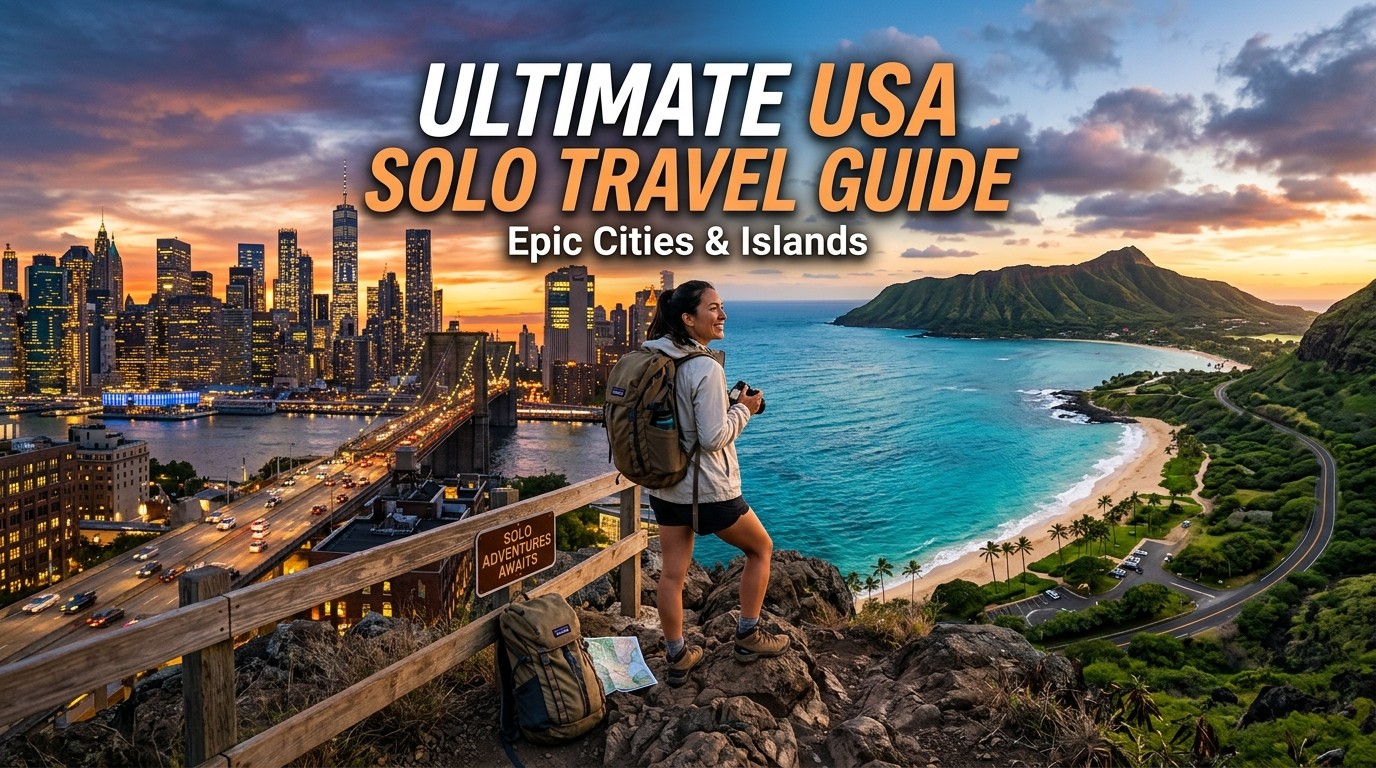
USA Solo Travel combines iconic cities, dramatic islands, national parks, and flexible itineraries, giving independent travelers countless ways to explore confidently, safely, and memorably.
USA Solo Travel is not one single kind of trip. It can mean walking through Manhattan with a coffee in hand, watching sunset from a Hawaiian beach, driving through Utah canyon country, hiking in the Pacific Northwest, or taking a slow road trip through small American towns. That variety is one of the biggest strengths of USA Solo Travel. You can build a trip around culture, food, hiking, beaches, music, history, or complete solitude without needing to fit someone else’s schedule.
The country is particularly interesting for solo travelers because its destinations have dramatically different personalities. New York City can keep you busy from morning until midnight without a car. Hawaiʻi offers island experiences ranging from urban Honolulu to remote-looking coastlines and volcanic landscapes. The official Hawaiʻi tourism site currently describes six major islands—Kauaʻi, Oʻahu, Molokaʻi, Lānaʻi, Maui, and Hawaiʻi Island—and emphasizes that each has its own personality, activities, and scenery.
USA Solo Travel also works well for different confidence levels. First-time solo travelers can choose destinations with straightforward infrastructure, while experienced travelers can go deeper into remote landscapes. The important psychological shift is understanding that traveling alone does not mean being isolated every minute. You can spend the day by yourself and still join a food tour, walking tour, group hike, ferry ride, museum program, or local event when you want human connection.
This guide focuses on how to plan USA Solo Travel intelligently, where to go, how long to stay, how to combine cities and islands, how to manage safety, and how to create a trip that feels exciting rather than exhausting.
Why USA Solo Travel Works So Well
USA Solo Travel gives you enormous control over pace. You can wake up early and chase a sunrise without negotiating with anyone. You can spend three hours inside one museum if you love it. You can change dinner plans because a neighborhood suddenly looks more interesting. That freedom is one of the strongest emotional benefits of traveling alone.
There is also a confidence-building effect. When you navigate a subway system, find your hotel, communicate with strangers, solve a transportation problem, or change plans successfully, you learn that you are more capable than you may have assumed. USA Solo Travel can therefore become more than a vacation. It can become a personal reset.
The key is not trying to prove how independent you are. The best USA Solo Travel experiences balance independence with smart support. That means keeping your phone connected, understanding local transportation, sharing your itinerary with someone you trust when appropriate, and avoiding unnecessary risks simply for the sake of adventure.
Choosing Your Solo Travel Personality
Before selecting a destination, identify the experience you actually want.
| Travel Personality | Strong Destination Types |
|---|---|
| City explorer | New York City, Chicago, San Francisco |
| Beach and island lover | Oʻahu, Maui, Kauaʻi |
| Outdoor adventurer | Utah, Colorado, Washington |
| Culture seeker | New Orleans, New York City, Santa Fe |
| Road-trip traveler | Pacific Coast, Southwest, Mountain West |
| Slow traveler | Smaller towns, coastal communities, regional routes |
USA Solo Travel becomes easier when your destination matches your personality. A traveler who hates driving may be miserable trying to imitate a road-trip itinerary. A person who needs nature may become restless after a week in a huge city. Choose the environment first, then build the itinerary.
This is also the best way to control spending. A destination that naturally matches your interests reduces the need to buy endless activities. If you love walking and architecture, a city can provide hours of free entertainment. If you love hiking, a national park may offer more value than a resort destination filled with paid attractions.
Solo Travel New York City
Solo Travel New York City is one of the easiest ways to experience the energy of a huge American destination without needing a car. The city offers dense neighborhoods, extensive public transportation, museums, parks, restaurants, bookstores, theaters, markets, architecture, and waterfront areas. NYC Tourism also currently maintains an NYC on a Budget hub featuring free and affordable activities across all five boroughs, along with more than 115 cultural attractions and venues offering free or suggested admission year-round or at selected times.
For a first trip, Manhattan is an obvious starting point, but USA Solo Travel becomes more interesting when you expand beyond the standard tourist circuit. Spend time in Greenwich Village, the Lower East Side, Harlem, Brooklyn Heights, Astoria, Flushing, or the waterfront neighborhoods of Brooklyn and Queens.
One advantage of solo city travel is that you can make your day extremely flexible. Start with Central Park, walk through a museum, grab lunch somewhere casual, and then take a spontaneous neighborhood walk. There is no pressure to keep someone else entertained.
NYC is also unusually good for solo dining. Sitting at a counter, ordering one dish, or grabbing something from a casual market rarely feels strange because people in the city are constantly eating on the move. For solo travelers, that can remove one of the biggest psychological barriers to traveling alone.
As of 2026, the city is also preparing for a major international visitor year connected to FIFA World Cup 2026. NYC Tourism says the city is set to host eight World Cup matches, including the final at New York New Jersey Stadium, alongside fan events and other activations across the five boroughs.
That may create additional energy and demand around certain dates, so travelers should check event calendars before choosing their travel window.
How Many Days to Spend in New York
For a first USA Solo Travel itinerary, four to six days is a useful range for New York City.
Four days gives you enough time for major neighborhoods, a museum, Central Park, one skyline experience, and several different food stops.
Five or six days lets you slow down and explore beyond the obvious attractions.
The best solo itinerary does not fill every hour. Leave open blocks for wandering. Some of the best memories can come from sitting in a park, browsing a bookstore, taking a ferry, or discovering a neighborhood café.
Solo Travel Hawaii
Solo Travel Hawaii can be completely different from Solo Travel New York City. Hawaiʻi gives you beaches, mountains, volcanic landscapes, ocean activities, cultural experiences, and smaller communities. The official Hawaiʻi tourism site says each of its six major islands has its own distinct personality, which means island selection is one of the most important decisions you will make.
Oʻahu is often the easiest starting point for first-time visitors because Honolulu combines city infrastructure with beaches, hiking, food, nightlife, museums, and historic attractions. Go Hawaiʻi specifically describes Oʻahu as suitable for solo trips and highlights Waikīkī Beach, Lēʻahi/Diamond Head, Hanauma Bay Nature Preserve, Pearl Harbor, ‘Iolani Palace, and the North Shore.
Maui may appeal to travelers who want a balance between resort comfort and outdoor exploration.
Kauaʻi is ideal for dramatic scenery and a more nature-focused atmosphere. Go Hawaiʻi describes it as the “Garden Isle” and emphasizes its dramatic landscapes.
Hawaiʻi Island is especially attractive for adventure-focused travelers. The official island guide highlights Hawaiʻi Volcanoes National Park, Hāpuna State Recreation Area, Waipiʻo Valley viewpoints, and trails within the state’s Nā Ala Hele system.
USA Solo Travel in Hawaiʻi works best when you resist the temptation to visit too many islands in one short trip.
Which Hawaiian Island Is Best for Solo Travelers?
| Island | Best For | Solo Travel Style |
|---|---|---|
| Oʻahu | City + beach + activities | Easy and social |
| Maui | Scenic drives + beaches | Balanced |
| Kauaʻi | Nature and scenery | Quiet adventure |
| Hawaiʻi Island | Volcanoes + varied landscapes | Exploration |
| Molokaʻi | Rural atmosphere | Slow travel |
| Lānaʻi | Seclusion and resort-style escapes | Peaceful |
Go Hawaiʻi notes that interisland flights are generally short and that multiple carriers operate between the islands, but recommends arriving at least 90 minutes before interisland flights.
That makes island hopping possible, but it does not mean you should always do it.
A solo traveler often benefits from staying longer in one place. You learn the neighborhood, recognize local businesses, spend less energy relocating, and develop a more relaxed rhythm.
Building a Hawaii Solo Itinerary
A seven-day Hawaii trip could work beautifully as one island rather than a rushed multi-island tour.
For Oʻahu, you could divide the trip between Honolulu, Diamond Head, North Shore, cultural sites, beach time, and one or two guided activities.
For Hawaiʻi Island, you could combine Kona or Hilo with Hawaiʻi Volcanoes National Park, coastal drives, and local food experiences. The official island guide notes that travelers can choose between beachfront stays in Kona, resorts on the Kona-Kohala Coast, oceanfront lodging in Hilo, and accommodations near Volcano.
USA Solo Travel in Hawaiʻi becomes more rewarding when you give yourself recovery time. Do not schedule a sunrise hike, snorkeling tour, long drive, and sunset excursion every day. Solo travel requires you to be both traveler and trip manager, so your energy matters.
Outdoor Adventures Beyond Hawaii
USA Solo Travel is much bigger than cities and islands. The western United States offers landscapes that can feel almost unreal: red-rock canyons, alpine lakes, desert valleys, high mountains, forests, and volcanic regions.
Utah is particularly strong for travelers who want hiking without giving up road-trip flexibility. Zion, Bryce Canyon, Arches, Canyonlands, and Capitol Reef can form the basis of a long outdoor itinerary. The key challenge is transportation. Many spectacular natural areas require driving, so solo travelers need to consider vehicle costs, fuel, navigation, weather, and emergency planning.
Colorado offers mountain towns and high-elevation adventures. Washington brings evergreen forests, coastlines, and mountain scenery. California combines beaches, cities, deserts, and national parks in a way few destinations can match.
USA Solo Travel and National Parks
National parks can be incredible for solo travelers, but they require a different planning mindset from city trips.
Check weather before hikes. Understand trail difficulty. Download maps before leaving coverage. Carry enough water. Tell someone your plans for more remote excursions. Know when the sun sets. Do not assume a popular park means every trail is easy or every area has reliable phone service.
The psychology here is important. Solo travel encourages freedom, but wilderness rewards humility. USA Solo Travel should never become a test of bravery. The smartest traveler is the person who changes plans when conditions become unsafe.
For more popular areas, consider joining guided excursions when you want access to more challenging experiences without managing every logistics detail alone.
The Inca Trail Trek Is Not in the USA
The Inca Trail Trek is a useful comparison because it illustrates the difference between a destination-focused trip and a challenge-focused trip.
The Inca Trail Trek takes travelers through the Peruvian Andes toward Machu Picchu, while USA Solo Travel can offer comparable feelings of achievement through American long-distance hikes, national-park routes, and mountain adventures.
The lesson is to distinguish between the destination and the experience. If what you want is the psychological reward of completing a demanding journey, you do not necessarily need to leave the United States. If what you want specifically is the archaeological and cultural experience associated with Machu Picchu, then the Inca Trail belongs in a different itinerary.
This distinction helps prevent travelers from forcing unrelated destinations into one trip simply because they like the same style of adventure.
Dolomites Hiking Is Another Useful Comparison
Dolomites Hiking provides a different international benchmark. The Italian Dolomites are famous for dramatic mountain scenery, hut-to-hut possibilities, and alpine routes. USA Solo Travel can offer comparable mountain immersion, but the infrastructure and landscape will feel different.
American destinations such as Colorado, Utah, Washington, Montana, and California can provide excellent hiking, but the experience varies significantly depending on terrain, access, season, and transportation.
Use comparisons like Dolomites Hiking as inspiration rather than as a template. The goal is to identify the experience you want: mountains, solitude, dramatic views, cultural immersion, or endurance.
Then find the American destination that delivers that experience in a way that matches your ability and travel style.
Combining Cities and Islands
One of the most exciting USA Solo Travel strategies is combining two completely different environments.
New York City plus Oʻahu creates an extreme contrast. You move from skyscrapers, museums, and subway stations to beaches, surf, and volcanic landscapes.
San Francisco plus Maui creates another balance, combining urban food and architecture with island relaxation.
Los Angeles plus Hawaiʻi Island can pair entertainment and city energy with volcanoes, beaches, and outdoor exploration.
These combinations work particularly well for longer trips because each destination gives your brain a different kind of stimulation.
The main drawback is transportation time. A city-to-island combination can add long flights and airport transitions, so avoid putting too many stops into a short vacation.
Solo Travel and Human Connection
A surprising benefit of USA Solo Travel is that being alone can make social interactions easier.
When you travel as a group, you naturally spend more time talking to the people in your group. When you travel alone, you often become more open to conversations with strangers, guides, hosts, bartenders, fellow travelers, and other people sharing the same spaces.
That does not mean forcing conversation.
Instead, give yourself opportunities.
Join a walking tour. Book a group cooking class. Sit at a communal table. Visit a local market. Attend a museum program. Take a guided hike.
The goal is to create optional connection. You can return to solitude whenever you want.
How to Stay Safe While Traveling Alone
Safety starts with realistic preparation.
Keep your phone charged.
Have important addresses saved offline.
Share your general itinerary with someone you trust.
Research neighborhoods before booking accommodation.
Avoid unnecessarily isolated areas when you are unfamiliar with a destination.
Use established transportation options when arriving late.
Pay attention to alcohol consumption.
Trust your instincts when a situation feels uncomfortable.
USA Solo Travel does not require constant fear. It requires awareness.
The most useful mindset is simple: remain curious, but do not become careless.
Solo Travel Budget Planning
Your USA Solo Travel budget will depend heavily on destination and transport.
New York City can become expensive because accommodation is a major cost, although NYC Tourism currently highlights thousands of free and affordable activities across the city.
Hawaiʻi may require a bigger transportation budget because flights, car rentals, and interisland movement can add up.
National-park trips may be inexpensive once you reach the destination but become more costly if you rent a car and travel long distances alone.
A smart solo budget should therefore include:
- Accommodation
- Transportation
- Food
- Activities
- Insurance
- Emergency reserve
- Mobile connectivity
- Local transportation
- Unexpected changes
Do not build a trip that uses every dollar in the budget. Leave room for the unexpected.
How to Reduce Solo Travel Costs
The easiest way to reduce costs is usually not to cut everything. It is to cut the expenses that do not improve your experience.
Choose accommodation based on location and value.
Use public transportation in cities when practical.
Walk whenever it is safe and reasonable.
Mix inexpensive local meals with a few special meals.
Choose one major paid activity rather than five mediocre ones.
Stay longer in one destination instead of constantly moving.
USA Solo Travel often becomes cheaper when you travel slower.
Moving every two days creates transportation costs, packing fatigue, and lost time.
Staying four or five nights in one place often lets you understand the destination better while reducing friction.
A Simple Solo Travel Planning Framework
Start with the experience.
Then choose the destination.
Then select the season.
Then set your budget.
Then plan transportation.
Then choose accommodation.
Then reserve only the activities that genuinely matter.
Then leave free time.
This approach keeps USA Solo Travel flexible.
The biggest planning mistake is over-scheduling. People often build itineraries that look perfect on paper but become exhausting in real life.
A solo trip should have breathing room.
Sample 10-Day USA Solo Travel Itinerary
Days 1–5: New York City
Day 1: Arrival, neighborhood walk, easy dinner.
Day 2: Central Park, museum, evening neighborhood exploration.
Day 3: Downtown Manhattan, waterfront, Brooklyn.
Day 4: Harlem or Queens exploration, local food.
Day 5: Flexible day for favorites, shopping, or a show.
Days 6–10: Oʻahu
Day 6: Fly to Honolulu and settle in.
Day 7: Waikīkī and Diamond Head.
Day 8: North Shore exploration.
Day 9: Cultural site, snorkeling, or guided experience.
Day 10: Beach morning and departure.
This itinerary is intentionally simple.
It gives the traveler two dramatically different environments without requiring constant movement.
When to Choose a City-Only Trip
Choose a city-only USA Solo Travel trip when:
- You prefer walking and public transportation.
- You want museums, food, and nightlife.
- You dislike driving alone.
- You want frequent social opportunities.
- You are taking a shorter trip.
New York City is particularly strong for this style because its density allows many experiences without long travel distances.
When to Choose an Island-Only Trip
Choose an island-only USA Solo Travel trip when:
- You want nature and slower mornings.
- You enjoy beaches and outdoor activities.
- You want a mental reset.
- You are comfortable planning transportation.
- You prefer one destination with more depth.
Hawaiʻi is ideal for this because the official visitor site offers several islands with distinct experiences rather than one uniform destination.
When to Choose a National Park Road Trip
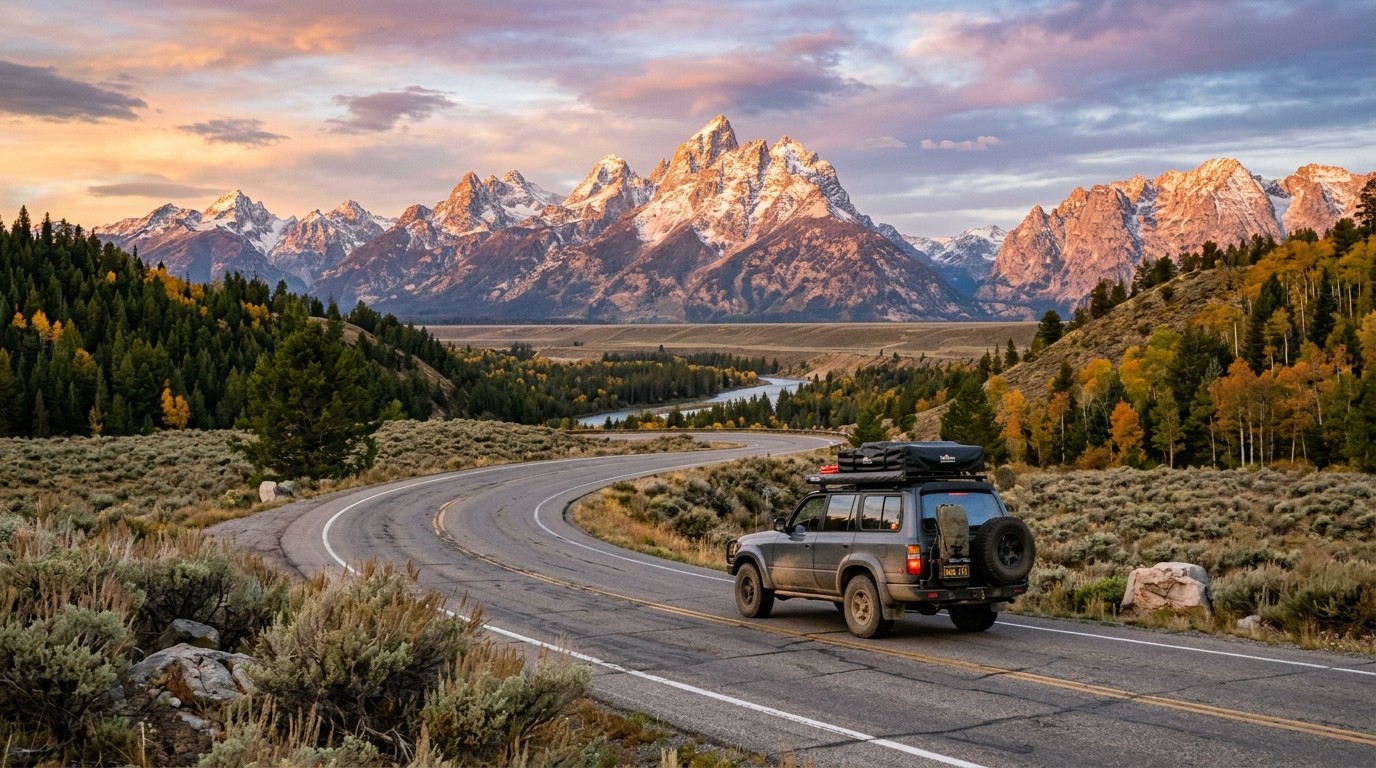
Choose a road trip when:
- You enjoy driving.
- You want dramatic scenery.
- You are comfortable with independent navigation.
- You want more solitude.
- You have enough time to move slowly.
Road trips give you tremendous flexibility, but they also increase solo responsibility. You are managing fuel, navigation, vehicle safety, weather, and fatigue.
That makes preparation more important than spontaneity.
What Solo Travel Teaches You
The best part of USA Solo Travel may not be any landmark.
It may be the confidence you gain from handling an unfamiliar environment yourself.
You learn what kind of pace you prefer.
You learn how much social contact you actually need.
You learn how to handle uncertainty.
You learn what you genuinely enjoy when nobody else is choosing for you.
That information can stay with you long after the trip.
Conclusion
USA Solo Travel offers an unusually wide range of experiences because the country combines giant cities, tropical islands, national parks, mountain regions, coastlines, cultural centers, and open roads in one destination system. A strong solo itinerary begins by choosing the experience you actually want, then matching the destination, season, budget, and transportation to it. New York City works brilliantly for culture and independent exploration, while Hawaiʻi offers dramatically different island personalities and outdoor experiences. The smartest travelers leave room for flexibility, treat safety seriously, and resist overplanning. When you balance independence with preparation, USA Solo Travel becomes more than sightseeing: it becomes a powerful way to explore your interests, build confidence, and create memories entirely on your own terms.
Frequently Asked Questions (FAQ)
1. Is USA Solo Travel good for first-time solo travelers?
Yes. The United States offers destinations with different levels of infrastructure, transportation, and adventure, allowing beginners to choose a style that matches their comfort level.
2. Is Solo Travel New York City suitable for beginners?
Yes. New York City can be a strong starting point because many attractions, neighborhoods, restaurants, museums, and transportation options are concentrated in a relatively compact urban environment.
3. Which Hawaiian island is best for solo travelers?
Oʻahu is often convenient for first-time solo visitors because Honolulu combines city infrastructure, beaches, hiking, culture, dining, and activities.
4. Should I visit more than one Hawaiian island?
You can, but slower travel may be more enjoyable. Go Hawaiʻi notes that interisland flights are generally short, although travelers should plan airport time and connections carefully.
5. Is USA Solo Travel expensive?
It can be, especially in major cities and popular island destinations, but costs can be controlled through accommodation choices, public transportation, slower itineraries, and free activities. NYC Tourism specifically highlights many free and affordable attractions across the five boroughs.
6. Can I combine New York City and Hawaii in one trip?
Yes. A combination of New York and Hawaiʻi works particularly well for travelers who want a city-and-island contrast, although you should allow enough time for the long-distance flight and recovery.
7. Is Hawaiʻi good for adventure-focused solo travel?
Yes. Hawaiʻi Island offers Hawaiʻi Volcanoes National Park, hiking opportunities, beaches, varied climates, and outdoor activities, while Oʻahu provides hiking, surfing, snorkeling, and cultural attractions.
8. How does USA Solo Travel compare with the Inca Trail Trek?
They offer different experiences. The Inca Trail Trek is a specific high-profile trekking route in Peru, while the United States offers many different hiking and adventure environments across multiple states.
9. Can USA Solo Travel include experiences similar to Dolomites Hiking?
Yes. Colorado, Washington, Utah, Montana, and California offer major mountain and hiking experiences, although the terrain, infrastructure, and cultural setting differ from the Italian Dolomites.
10. How can I make a solo trip feel less lonely?
Build optional social experiences into the itinerary. Walking tours, group hikes, food tours, classes, museums, and local events provide opportunities to meet people while preserving the freedom to spend other parts of the day alone.



Leave a Reply