

This comprehensive Solo Travel Guide covers choosing the right destination, budgeting effectively, packing smart, and staying safe. You will learn actionable strategies to overcome loneliness, navigate foreign cities, and maximize your travel experience without breaking the bank.
Ready to explore the world alone? This beginner’s Solo Travel Guide provides everything you need to embark on safe, unforgettable, and highly rewarding adventures today.
Why You Need a Reliable Solo Travel Guide
Stepping out of your comfort zone to travel alone offers a unique sense of freedom. You control the itinerary, the budget, and the pace. However, venturing into unfamiliar territory requires careful planning and street smarts. A dedicated Solo Travel Guide helps you navigate the logistics of booking flights, finding safe neighborhoods, and interacting with locals. When you travel alone, you become fully responsible for your well-being. Having a solid framework ensures you can focus on enjoying the experience rather than worrying about missed trains or overspending.
Many beginners feel intimidated by the prospect of navigating a foreign country alone. You might worry about language barriers, safety concerns, or simply feeling lonely while eating dinner. These are completely normal feelings. By preparing thoroughly and reading through expert advice, you can mitigate these risks. Knowing how to handle emergencies, manage your finances, and blend in with the local culture will give you the confidence to thrive.
How to Choose Your First Solo Destination
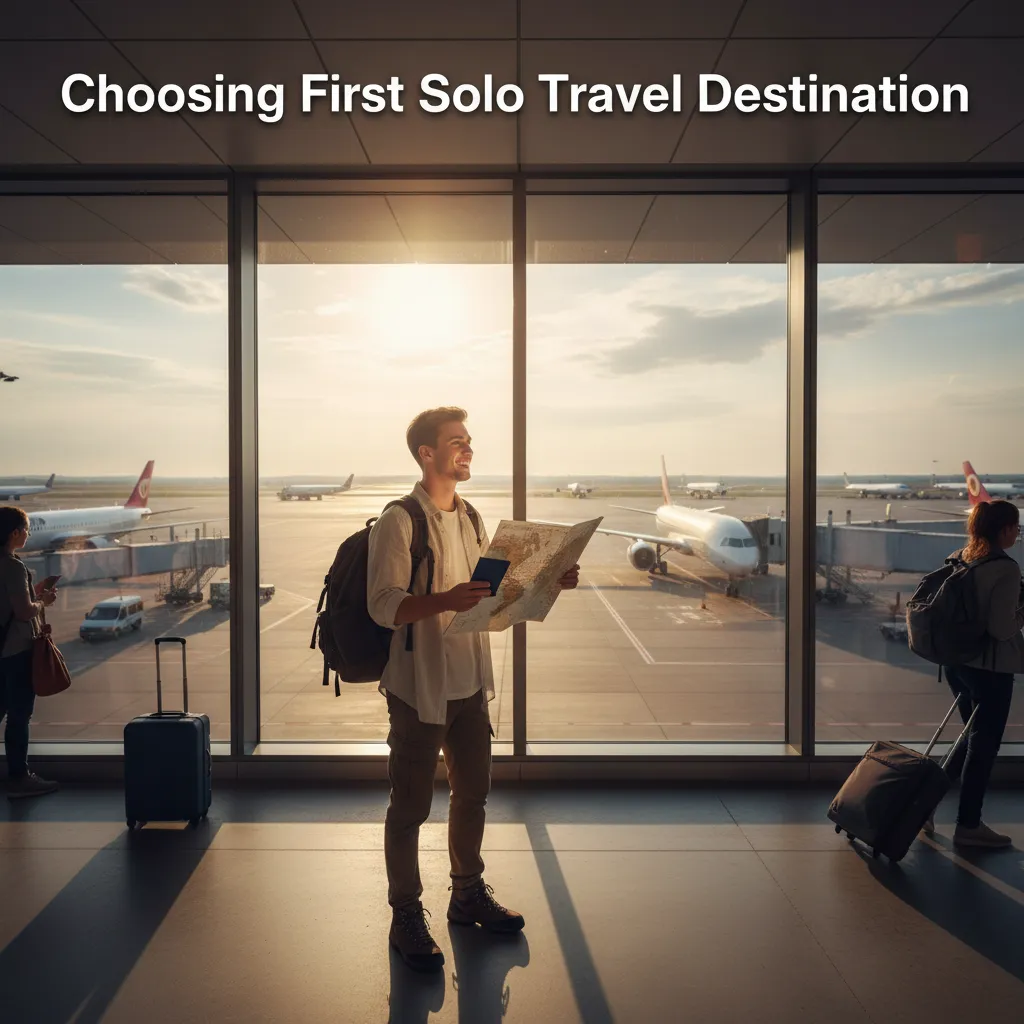
Selecting the right destination sets the tone for your entire trip. For your first solo adventure, you want a location that balances excitement with accessibility.
Prioritize Safety and Infrastructure
Beginners should look for countries with low crime rates, reliable public transportation, and a well-established tourism infrastructure. Places like Japan, New Zealand, and Portugal consistently rank high for safety and ease of travel. These countries offer excellent train networks, making it easy to move between cities without renting a car. Furthermore, locals in these areas are generally accustomed to tourists, which makes asking for directions or ordering food much less stressful.
Consider the Language Barrier
If you only speak English, visiting a country where English is widely spoken or where signs are printed in multiple languages can significantly reduce your anxiety. Countries like Ireland, Australia, or even the Netherlands are excellent starting points. If you choose a destination where English is not the primary language, such as Thailand or Costa Rica, stick to well-trodden tourist trails where hospitality workers speak enough English to help you get by.
Evaluate Your Comfort Level
Think about what type of environment makes you feel at ease. Do you prefer bustling cities filled with museums and cafes, or quiet beach towns where you can read a book by the ocean? Your first trip should cater to your personal preferences. Do not force yourself to trek through a dense jungle if you prefer the comforts of a modern metropolis. Start small. Even a weekend trip to a neighboring city can serve as an excellent practice run for a longer international journey. If you need more ideas on where to go, check out the best destinations for solo travelers to find a spot that matches your vibe.
Budgeting for Your Solo Adventure
Money management is a crucial skill when traveling alone. Without someone to split the cost of accommodation or taxi rides, expenses can add up quickly.
Creating a Realistic Daily Budget
Before you book your flights, determine how much you can afford to spend each day. Break your budget down into categories: accommodation, food, transportation, activities, and a buffer for emergencies. Research the average cost of living in your chosen destination. A daily budget of $50 might be plenty for exploring Vietnam, but it will barely cover a hostel bed in Switzerland. Use cost-of-living calculators to estimate your daily expenses accurately.
Finding Cheap Flights
Your flight will likely be your largest single expense. To save money, remain flexible with your travel dates. Flying on a Tuesday or Wednesday is generally cheaper than flying on a weekend. Use flight aggregation tools to compare prices across different airlines. Set up price alerts months in advance so you know when fares drop. Consider flying into a major hub and taking a local train or budget airline to your final destination. For more flight-hacking strategies, review our budget travel tips to maximize your savings.
Eating on a Budget
Food is a major highlight of any trip, but dining at restaurants three times a day will drain your funds. To save money, eat like a local. Visit grocery stores and local markets to buy fresh produce for breakfast and lunch. Street food is another fantastic way to experience authentic cuisine at a fraction of the cost of a sit-down restaurant. When you do eat out, make lunch your main meal, as lunch menus are often significantly cheaper than dinner menus.
Accommodation Options for Traveling Alone
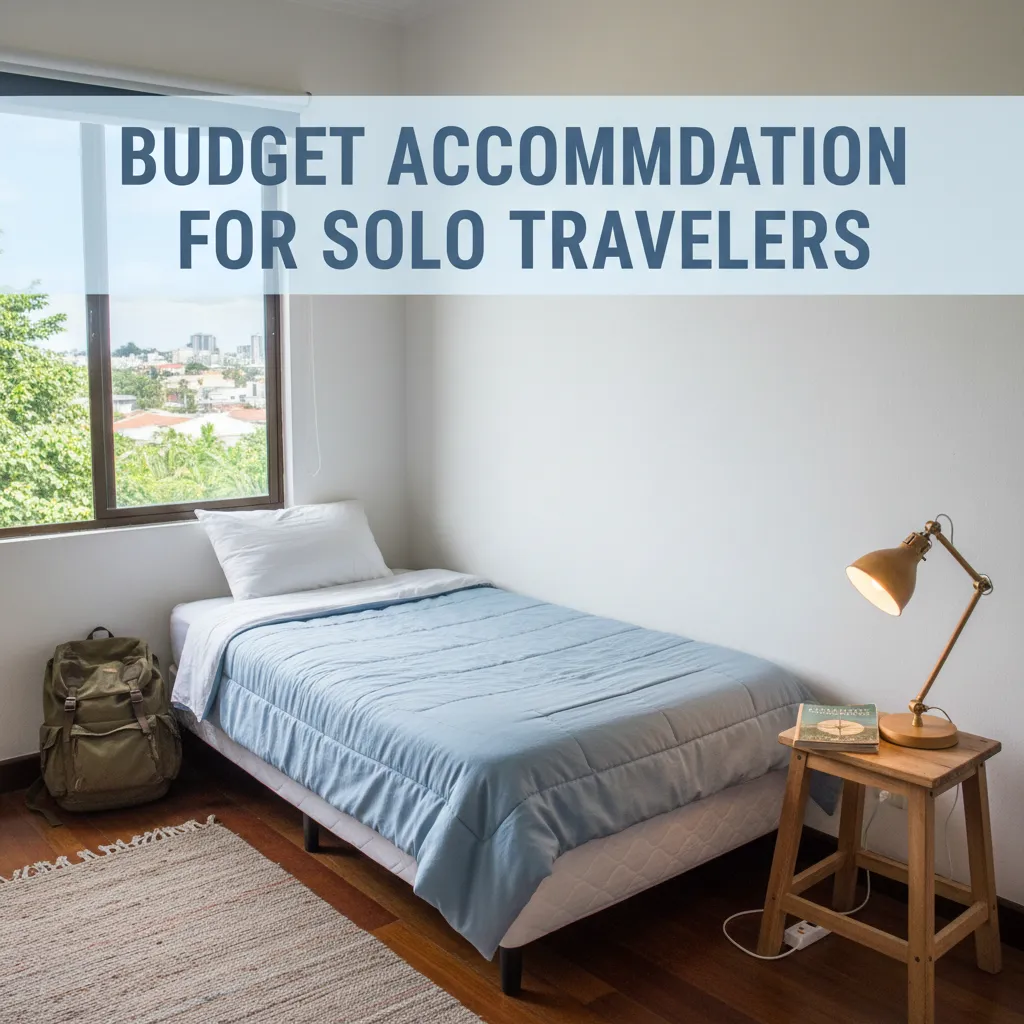
Where you sleep plays a massive role in your overall experience. Solo travelers have a variety of options, each offering different benefits regarding cost, social interaction, and privacy.
Hostels vs. Hotels vs. Guesthouses
To help you decide, here is a comparison table outlining the pros and cons of different accommodation types for solo travelers:
|
Accommodation Type |
Cost |
Social Vibe |
Privacy Level |
Best For |
|---|---|---|---|---|
|
Hostels |
Low |
Very High |
Low to Medium |
Meeting people, budget travelers |
|
Hotels |
High |
Low |
Very High |
Rest, luxury, complete privacy |
|
Guesthouses |
Medium |
Medium |
High |
Authentic local experiences, quiet stays |
|
Short-term Rentals |
Medium-High |
Low |
Very High |
Longer stays, cooking your own meals |
If you decide to stay in a hostel, opt for a highly-rated property with lockers and a 24-hour reception desk. Many modern hostels offer private rooms, giving you the social benefits of the common areas while maintaining your personal space at night. If you prefer a quieter environment, guesthouses offer a cozy, family-run atmosphere that feels more authentic than a large hotel chain. Read reviews on our guide to the best hostels for solo travelers before booking to ensure the property matches your travel style.
Essential Safety Tips for Solo Travelers
Safety should be your top priority. When you are by yourself, you must remain vigilant and aware of your surroundings at all times.
Blend In and Walk with Purpose
Tourists standing on street corners with large maps or staring confusedly at their phones are prime targets for pickpockets. Review your route before you leave your accommodation. If you need to check your phone for directions, step inside a cafe or a shop. Dress similarly to the locals to avoid standing out as an obvious tourist. Walk with confidence, even if you are completely lost.
Protect Your Valuables
Never keep all your money, credit cards, and passport in one place. Carry a small amount of daily cash in your front pocket or a secure cross-body bag. Leave your passport, backup credit cards, and the bulk of your cash locked in your accommodation’s safe. Consider using a money belt if you are visiting a city known for petty theft. Make digital copies of your important documents and email them to yourself and a trusted family member.
Stay Connected
Always buy a local SIM card or arrange an international data plan before you arrive. Having instant access to maps, translation apps, and emergency contacts is non-negotiable. Share your itinerary with someone back home and check in with them regularly. If your plans change, let them know. Someone must know your general whereabouts at all times.
For official safety advisories, always check resources like the World Health Organization (WHO) for health updates and your government’s travel advisory board for current security levels.
Pro Tips for Making Friends on the Road
Traveling alone does not mean you have to be lonely. In fact, solo travelers often find it much easier to meet new people than those traveling in groups.
- Take Free Walking Tours: Most major cities offer free walking tours. These are excellent places to meet other solo travelers who share your interests. Strike up a conversation with the person standing next to you.
- Sign Up for Group Classes: Cooking classes, surf lessons, or language workshops are fantastic environments for bonding. Learning a new skill together naturally breaks the ice.
- Hang Out in Common Areas: If you stay in a hostel or a guesthouse, spend your downtime in the communal lounge. Put your phone away, smile, and make eye contact.
- Use Social Travel Apps: Various apps connect travelers in the same city. You can join groups for dinner, museum visits, or hiking trips.
Common Mistakes to Avoid
Even the most prepared travelers make errors, but you can bypass these common pitfalls by planning.
- Overpacking: Carrying a massive suitcase up five flights of stairs is exhausting. Pack light. Take versatile clothing that you can layer. You can always do laundry on the road. Read up on packing light to streamline your luggage.
- Overscheduling: Do not try to see an entire country in three days. Rushing from one landmark to another leads to burnout. Leave room in your itinerary for spontaneous detours or simply resting in a park.
- Ignoring Travel Insurance: Medical emergencies or canceled flights can happen to anyone. Never leave home without comprehensive coverage. An unexpected hospital visit can bankrupt you if you are uninsured.
- Arriving at Night: Try to book flights or trains that arrive during daylight hours. Navigating a new city, finding your accommodation, and figuring out public transport is significantly harder and less safe in the dark.
Navigating Foreign Transportation
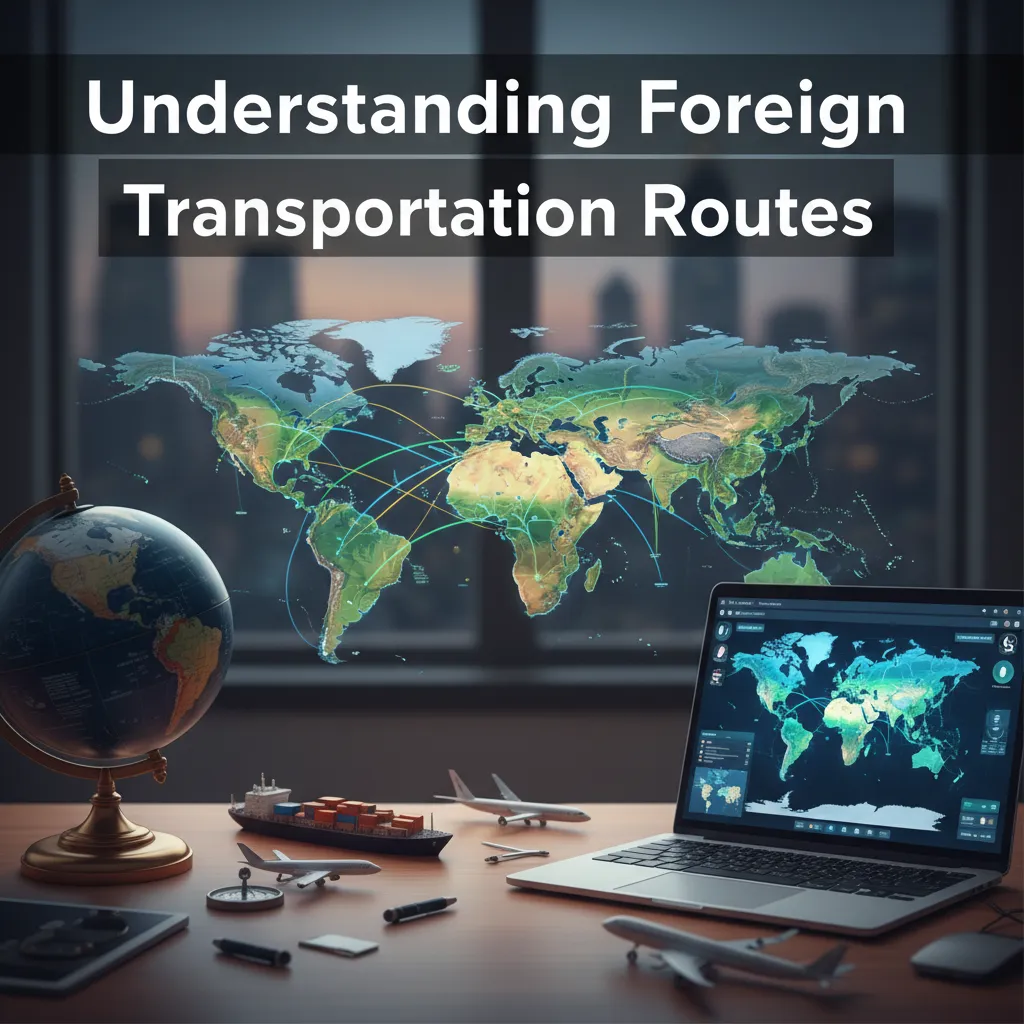
Getting around a new country can be confusing, but mastering public transit is a highly rewarding part of the solo travel experience.
Train and Bus Networks
In Europe and parts of Asia, trains are the most efficient way to travel between cities. Book your tickets in advance to secure the best rates. When using city buses or subways, download offline maps to track your route. Pay attention to how the locals behave on public transit. In some cultures, speaking loudly on a train is considered extremely rude.
Rideshares and Taxis
If you arrive late at night or have heavy luggage, a taxi or rideshare is the safest option. Use official apps to book rides rather than hailing unmarked cabs off the street. This ensures your ride is tracked and you pay a fair, predetermined price. If you must take a traditional taxi, insist that the driver turn on the meter before you get in.
For reliable route planning, check schedules on Rome2Rio, which provides comprehensive transit options globally.
Overcoming Pre-Trip Anxiety
It is entirely normal to feel a wave of panic in the days leading up to your departure. You are stepping into the unknown, and your brain is naturally reacting to that risk.
To combat this anxiety, focus on what you can control. Double-check your bookings, confirm your travel insurance, and review your packing list. Remind yourself why you wanted to take this trip in the first place. Read blogs from other solo travelers who have successfully navigated the exact places you are going. Remember that millions of people travel alone every year and have the time of their lives. Once you step off the plane and breathe the air of a new city, that anxiety usually melts away, replaced by pure excitement.
Embracing the Solo Travel Mindset
The ultimate goal of venturing out alone is personal growth. You will face challenges, from missing a bus to ordering the wrong food, but every mistake makes you more resilient. You will learn to trust your intuition and rely on your problem-solving skills.
Allow yourself to be present in the moment. Eat the local food, listen to the sounds of the city, and observe the culture around you. Solo travel strips away the distractions of your everyday life, allowing you to connect deeply with both the world and yourself. Be patient with yourself, embrace the inevitable awkward moments, and celebrate your independence.
Conclusion
Embarking on a journey alone is one of the most empowering decisions you will ever make. By utilizing this Solo Travel Guide, you now have the tools to choose a safe destination, manage your budget, and connect with fellow travelers. Remember to pack light, stay aware of your surroundings, and embrace the unexpected. Book that ticket, pack your bag, and start your solo adventure today with the ultimate Solo Travel Guide by your side!
FAQs
1. Is solo travel safe for beginners?
Yes, solo travel is very safe for beginners, provided you do your research. Choose a destination with a strong tourism infrastructure, share your itinerary with family, secure your valuables, and trust your instincts.
2. How do I deal with feeling lonely while traveling alone?
Loneliness is temporary. To combat it, stay in social accommodations like hostels, join group day tours, participate in local classes, or use travel apps to meet up with other visitors in your area.
3. What is the best way to carry money abroad?
Carry a mix of payment options. Bring a travel rewards credit card with no foreign transaction fees, a debit card for ATM withdrawals, and a small amount of local cash hidden in a secure pocket or money belt.
4. How do I take photos of myself when traveling alone?
You can ask strangers to take your photo, or use a small, flexible tripod and a smartphone with a self-timer or Bluetooth remote. Asking a fellow tourist with a nice camera usually yields the best results.
5. What should I do if I get sick while traveling solo?
Always buy travel medical insurance before your trip. If you get sick, contact your insurance provider’s emergency hotline for a list of approved local clinics. Keep a small first-aid kit in your bag with basic medications. See our travel insurance guide for more details.
6. How do I eat out alone without feeling awkward?
Eating alone is a great time to people-watch or plan your next day. Bring a book or a journal. Alternatively, sit at the bar where you can easily chat with the bartender or other solo diners.
7. How much should I budget for my first solo trip?
Your budget depends entirely on the destination. Southeast Asia or Central America can cost as little as $40 to $60 a day, while Western Europe or North America may require $100 to $200 a day. Calculate your daily limits before booking.
8. What happens if I do not speak the local language?
You can easily navigate foreign countries without speaking the language. Download offline translation apps, learn basic pleasantries like “hello” and “thank you,” and use clear hand gestures. Locals generally appreciate the effort.
9. How do I avoid paying a “single supplement” fee?
Many organized tours and cruise lines charge extra for solo travelers. To avoid this, plan your own independent itinerary, stay in hostels or guesthouses, or look for tour operators that pair solo travelers together in shared rooms.
10. What is the most important item to pack for a solo trip?
Aside from your passport and funds, a portable power bank is the most crucial item. Keeping your phone charged ensures you always have access to maps, emergency contacts, and digital tickets.


Leave a Reply