

This comprehensive guide delivers actionable strategies for independent explorers. You will learn how to choose safe destinations, manage your budget, pack efficiently, and navigate unfamiliar cultures. Master these proven techniques to transform your travel dreams into rewarding, stress-free global adventures.
Stepping into the unknown alone requires courage, preparation, and reliable advice. This solo travelers guide provides everything you need to explore the world confidently and safely.
Why Every Adventurer Needs a Reliable Solo Travelers Guide
Venturing across the globe by yourself presents unique challenges and unparalleled rewards. A structured solo travelers guide acts as your blueprint for success, helping you mitigate risks while maximizing personal growth. When you travel alone, you dictate the itinerary, set the pace, and immerse yourself fully in new environments without compromises.
The Rise of Independent Exploration
More people than ever are choosing to pack their bags and head out alone. This shift stems from a growing desire for authentic, unfiltered experiences. Without travel companions to distract you, you engage more deeply with local cultures, try new foods fearlessly, and build incredible self-reliance. You become a problem solver, navigating foreign transit systems and language barriers with increasing ease.
Overcoming Pre-Trip Anxiety
Fear often holds people back from taking their first independent trip. Will I be lonely? Is it safe? What if I get lost? These are natural questions. The purpose of a solo travelers guide is to address these fears with practical solutions. By planning meticulously and understanding the realities of life on the road, you replace anxiety with excitement. Preparation breeds confidence, allowing you to step onto that airplane with a clear, focused mind.
Essential Planning Steps for Your First Solo Trip
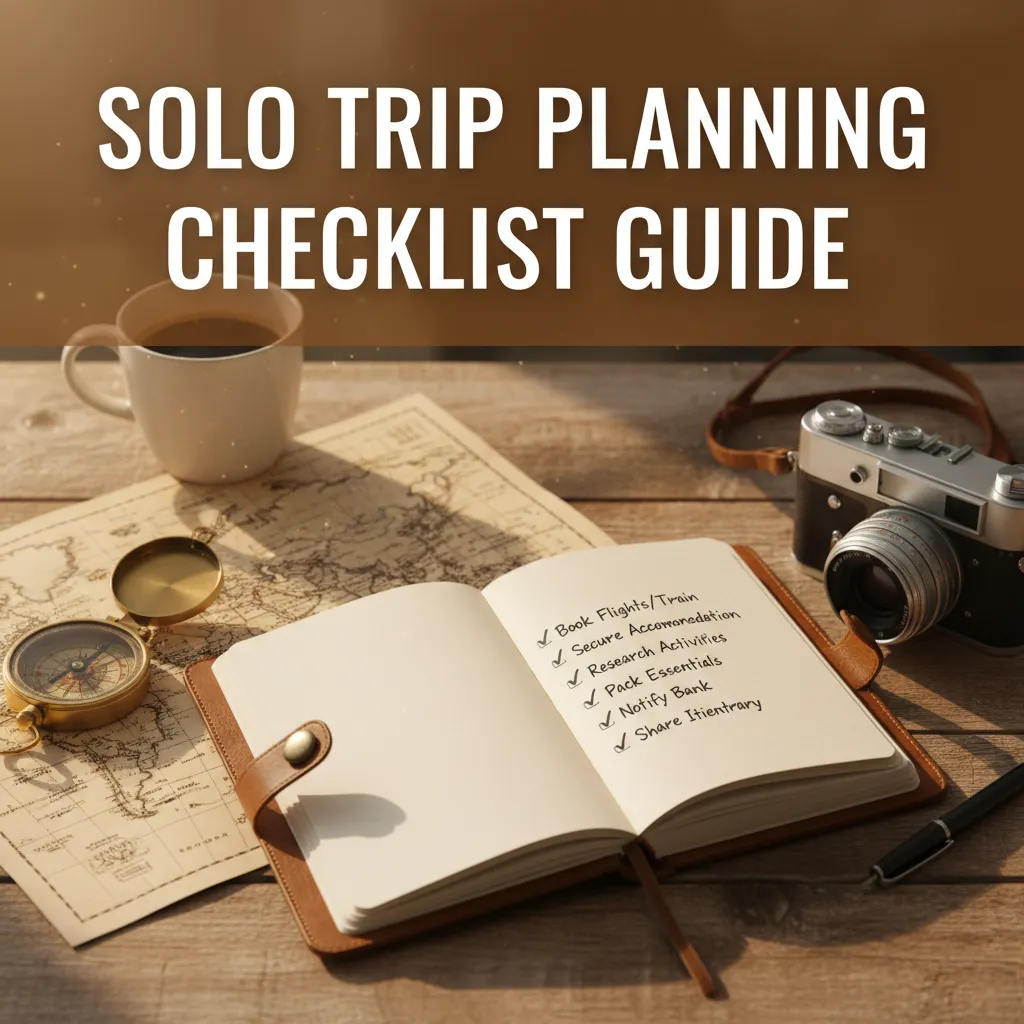
A successful journey begins months before you leave home. Structuring your approach ensures you cover all logistical bases, preventing costly or dangerous mistakes once you arrive at your destination.
Choosing the Right Destination
Your first destination sets the tone for your entire experience. Beginners should look for countries with robust tourism infrastructure, low crime rates, and friendly locals. Nations like Iceland, Japan, and New Zealand frequently top the Global Peace Index, making them fantastic starting points. Consider language barriers as well; visiting a country where you speak the language or where English is widely understood can ease the initial culture shock. If you need more inspiration, check out our list of Best Solo Travel Destinations to find a spot that matches your comfort level.
Budgeting and Financial Safety
Managing money effectively keeps your adventure alive. Create a daily budget covering accommodation, food, transportation, and activities. Always overestimate expenses to create a financial buffer. Carry multiple forms of payment, such as a primary credit card with no foreign transaction fees, a backup card stored in a separate bag, and a small amount of local currency. Never keep all your cash in one place. Using an anti-theft money belt or a hidden pocket protects your assets in crowded areas.
Booking Accommodations Wisely
Where you sleep impacts your safety and your social life. Hostels offer a built-in community, making them ideal for meeting people. If you prefer privacy, boutique guesthouses or well-reviewed rental apartments provide a quiet retreat. Always read recent reviews focusing on security and location. Arriving in a new city at night can be disorienting, so ensure your first two nights are booked in advance and that your accommodation offers a 24-hour reception or a clear, safe check-in process.
Pro Tips: Packing Smart and Light
Overpacking remains one of the most common mistakes new travelers make. Carrying heavy luggage across cobblestone streets or up narrow hostel staircases quickly becomes exhausting.
The Carry-On Only Rule
Embrace the freedom of traveling with just a carry-on backpack. This approach forces you to pack versatile clothing that you can mix and match. Choose lightweight, moisture-wicking fabrics that dry quickly after a sink wash. A capsule wardrobe reduces decision fatigue and keeps your bag manageable. If you want a detailed breakdown of what to bring, explore our ultimate Packing Light checklist.
Must-Have Tech and Safety Gear
Your smartphone is your most valuable tool, serving as your map, translator, and emergency contact device. Bring a high-capacity power bank to ensure you never run out of battery while navigating a new city. A universal travel adapter is mandatory. For safety, pack a portable door lock for extra security in your room, a high-decibel personal alarm, and a basic first-aid kit containing bandages, pain relievers, and any necessary prescription medications.
Staying Safe: Expert Insights and Strategies
Safety is the cornerstone of any effective solo travelers guide. While the world is largely hospitable, taking proactive measures protects you from opportunistic crimes and unexpected emergencies.
Navigating New Cities Safely
Blend in as much as possible. Avoid looking like a lost tourist by reviewing your route before leaving your accommodation. If you need to check a map, step into a cafe or shop rather than standing on a busy street corner with your phone out. Walk with purpose and project confidence. Always trust your intuition; if a street, a venue, or a person feels unsafe, leave immediately. Pay attention to local customs and dress codes to avoid drawing unwanted attention. For real-time safety updates, always consult the U.S. State Department Travel Advisories before and during your trip.
Health and Wellness on the Road
Getting sick away from home presents a significant challenge when you have no one to run to the pharmacy for you. Prioritize your physical health by staying hydrated, getting enough sleep, and washing your hands frequently. Be cautious with street food; look for stalls with long lines of locals, as high turnover means fresher food. Most importantly, never leave home without comprehensive medical coverage. A solid Travel Insurance Guide will help you find a policy that covers emergency evacuations, hospital stays, and trip cancellations.
Making Friends and Connecting with Locals
Traveling alone rarely means being lonely. In fact, independent travelers often find it easier to meet people than those traveling in groups, as they are more approachable and open to new interactions.
Hostel Culture and Group Tours
Hostel common rooms serve as global crossroads. Strike up a conversation in the kitchen or join a hostel-organized pub crawl or walking tour. These low-pressure environments make socializing effortless. If hostels are not your style, book day tours for activities like scuba diving, cooking classes, or hiking. Sharing an experience creates an immediate bond with your fellow participants.
Using Apps to Meet Fellow Travelers
Technology bridges the gap between strangers. Apps designed specifically for travelers allow you to connect with people nearby for a coffee or a museum visit. Local Facebook groups and language exchange meetups also provide excellent opportunities to socialize with expats and locals alike. Engaging with residents gives you a deeper, more nuanced understanding of the destination.
Common Mistakes to Avoid on Your Journey
Even the most prepared individuals make mistakes. Recognizing these common pitfalls keeps your journey smooth and enjoyable.
- Overbooking your itinerary: Leave room for spontaneity and rest. Travel burnout is real.
- Ignoring local customs: Research cultural norms regarding tipping, greetings, and appropriate attire.
- Flashing expensive items: Keep your laptop, expensive camera, and jewelry out of sight in crowded areas.
- Failing to share your itinerary: Always leave a copy of your plans and passport with a trusted friend or family member at home.
- Relying solely on digital maps: Download offline maps, but also carry a physical card from your hotel in case your phone dies.
Destination Showdown
Choosing where to go can be overwhelming. This comparison table highlights three distinct types of experiences to help you decide.
|
Destination |
Vibe & Experience |
Safety Rating |
Budget Level |
Best For |
|---|---|---|---|---|
|
Japan |
Cultural immersion, incredible food, advanced transit |
Very High |
High |
First-timers, culture enthusiasts |
|
Costa Rica |
Eco-tourism, surfing, wildlife, rainforests |
Moderate |
Medium |
Nature lovers, adventure seekers |
|
Portugal |
Historic cities, beautiful coastlines, vibrant social scene |
High |
Low/Medium |
Budget backpackers, digital nomads |
Embracing the Solo Travelers Guide Mindset
The physical act of traveling is only half the journey. The mental and emotional transformation you undergo is the true reward of exploring the world alone.
Building Confidence Through Travel
Every challenge you overcome on the road builds resilience. Negotiating a taxi fare in a foreign language, navigating a complex subway system, or simply enjoying a meal alone at a nice restaurant teaches you that you are capable of handling whatever life throws your way. This newfound confidence inevitably spills over into your personal and professional life back home. You learn to trust your judgment and rely on your own strength. For female explorers looking to build specific confidence, reviewing Solo Female Travel Tips can provide tailored empowerment strategies.
The Psychological Benefits of Solitude
We rarely experience true solitude. A solo trip forces you to sit with your thoughts, evaluate your goals, and discover what genuinely makes you happy. You learn to differentiate between loneliness and being alone. This intentional solitude fosters profound self-discovery, creativity, and mental clarity. You return home not just with photographs, but with a deeper understanding of who you are.
The comprehensive advice found within any reputable solo travelers guide empowers you to explore responsibly. According to data from the World Tourism Organization, solo travel continues to outpace other tourism sectors, proving that more individuals are discovering the joy of independent journeys. You hold the pen to your own adventure; make every chapter count.
Conclusion
Embracing the world alone is a transformative experience that builds lifelong confidence and resilience. By applying the strategies in this solo travelers guide, you guarantee a journey filled with safe, enriching, and unforgettable moments. Start planning your dream itinerary today, book that ticket, and take the first step toward your ultimate independent adventure.
FAQs
1. Is it safe to travel alone?
Yes, traveling alone is generally very safe if you exercise common sense, research your destination, and stay aware of your surroundings. Choosing safe countries and avoiding dangerous areas at night significantly reduces any risks.
2. How do I avoid feeling lonely on a solo trip?
Combat loneliness by staying in social environments like hostels, joining group day tours, or using traveler apps to meet people. Remember that feeling lonely occasionally is normal; use that time to read, journal, or simply enjoy your own company.
3. What is the best way to handle money while traveling alone?
Carry multiple payment methods, including a travel-friendly credit card and a debit card with no ATM fees. Keep your cash and cards separated in different bags, and use a hidden money belt for your primary funds when in transit.
4. How can I take good photos of myself without a photographer?
Invest in a lightweight, portable tripod with a Bluetooth remote shutter. Alternatively, politely ask other travelers or locals to take your picture. Offering to take their photo first is a great icebreaker.
5. Do I need to speak the local language?
While speaking the local language is not mandatory, learning a few basic phrases like “hello,” “please,” “thank you,” and “do you speak English?” shows respect. Download offline language packs on translation apps to bridge any major communication gaps.
6. What should I do if I get sick abroad?
Contact your travel insurance provider immediately; they can direct you to an approved local clinic or hospital. Always travel with a basic first-aid kit and any necessary prescription medications to handle minor ailments.
7. How do I handle dining out alone?
Dining alone is a fantastic experience once you get used to it. Bring a book, journal, or plan your next day’s itinerary while you eat. Sitting at the bar is also a great way to interact with the bartender and other solo patrons.
8. Are single supplements avoidable?
Yes, you can avoid single supplements by staying in hostels, booking independent accommodations like apartments, or seeking out tour companies that explicitly offer solo traveler discounts or roommate-matching services.
9. What is the most important item to pack for a solo trip?
A high-quality, unlocked smartphone is essential. It serves as your map, communication device, translation tool, and emergency lifeline. Pair it with a robust power bank so you never lose connection.
10. How do I start planning my first independent trip?
Begin by choosing a safe, easy-to-navigate destination. Set a realistic budget, book your flights and initial accommodation, and outline a loose itinerary. Use a trusted solo travelers guide to ensure you check off all necessary safety and packing requirements before departure.


Leave a Reply