

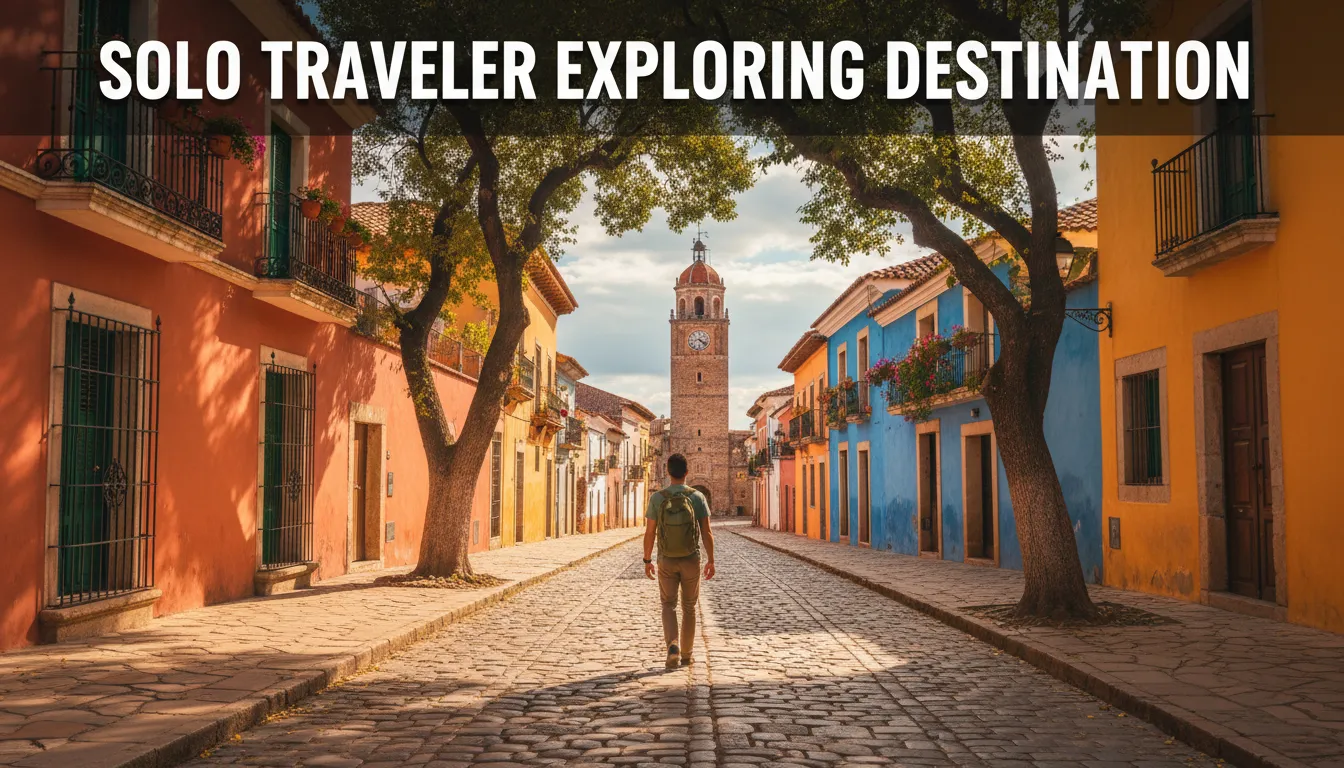
This comprehensive guide covers everything you need to master traveling alone. You will learn practical safety measures, budgeting strategies, and how to meet people abroad. By applying these proven strategies, you can transform solo trips into empowering, stress-free, and unforgettable adventures.
Are you ready to explore the globe entirely on your own terms? Discovering the best tips on solo travel can help you navigate new destinations confidently and safely.
Why You Need Tips on Solo Travel Before You Go
Traveling by yourself offers ultimate freedom. You wake up when you want, eat where you want, and change your itinerary on a whim. However, navigating a foreign country alone requires preparation. Without a companion to rely on, you must become your own navigator, problem solver, and advocate.
Finding reliable tips on solo travel ensures you avoid common pitfalls. Many first-timers struggle with overpacking, blowing their budget, or feeling isolated. By studying expert advice, you can anticipate these challenges and handle them with grace. You build resilience and self-reliance, two traits that make any trip immensely rewarding.
Preparation also brings peace of mind. When you know how to handle transit systems, secure your valuables, and find safe accommodations, you can relax and truly enjoy the experience. You will transition from feeling anxious to feeling empowered. Your journey becomes less about surviving the logistics and more about soaking in the culture, food, and beautiful landscapes.
Step-by-Step Guidance to Choose the Perfect Destination
Selecting the right location is the foundation of a successful trip. Not all destinations cater equally to solo adventurers. If you are planning your first trip, you want a place with excellent infrastructure, low crime rates, and friendly locals.
Assess Your Comfort Zone
Start by evaluating your travel experience. Have you navigated foreign public transit before? Do you speak another language? If this is your first time traveling alone, consider destinations where locals speak English fluently. Countries like Ireland, New Zealand, or even major cities in Scandinavia offer a gentle introduction to independent travel.
If you have more experience, you might crave the vibrant energy of Southeast Asia or South America. Evaluate the safety index of your potential choices. You can check government advisories, like those provided by the U.S. Department of State, for up-to-date safety information. Always prioritize regions known for welcoming tourists and providing safe public transportation.
Research the Local Infrastructure
Good infrastructure makes traveling alone infinitely easier. Look for cities with reliable trains, buses, or safe ride-sharing apps. Walkable cities allow you to explore at your own pace without constantly worrying about hailing a cab. A robust tourism infrastructure also means you will find plenty of group tours, English-speaking guides, and clear signage.
Check the availability of accommodations that cater to solo visitors. Cities with highly-rated hostels, boutique guesthouses, and capsule hotels make it easier to meet fellow explorers. You can read reviews on dedicated travel forums or our own solo female travel guide to see how other independent travelers rate the destination.
Essential Pre-Trip Planning and Preparation
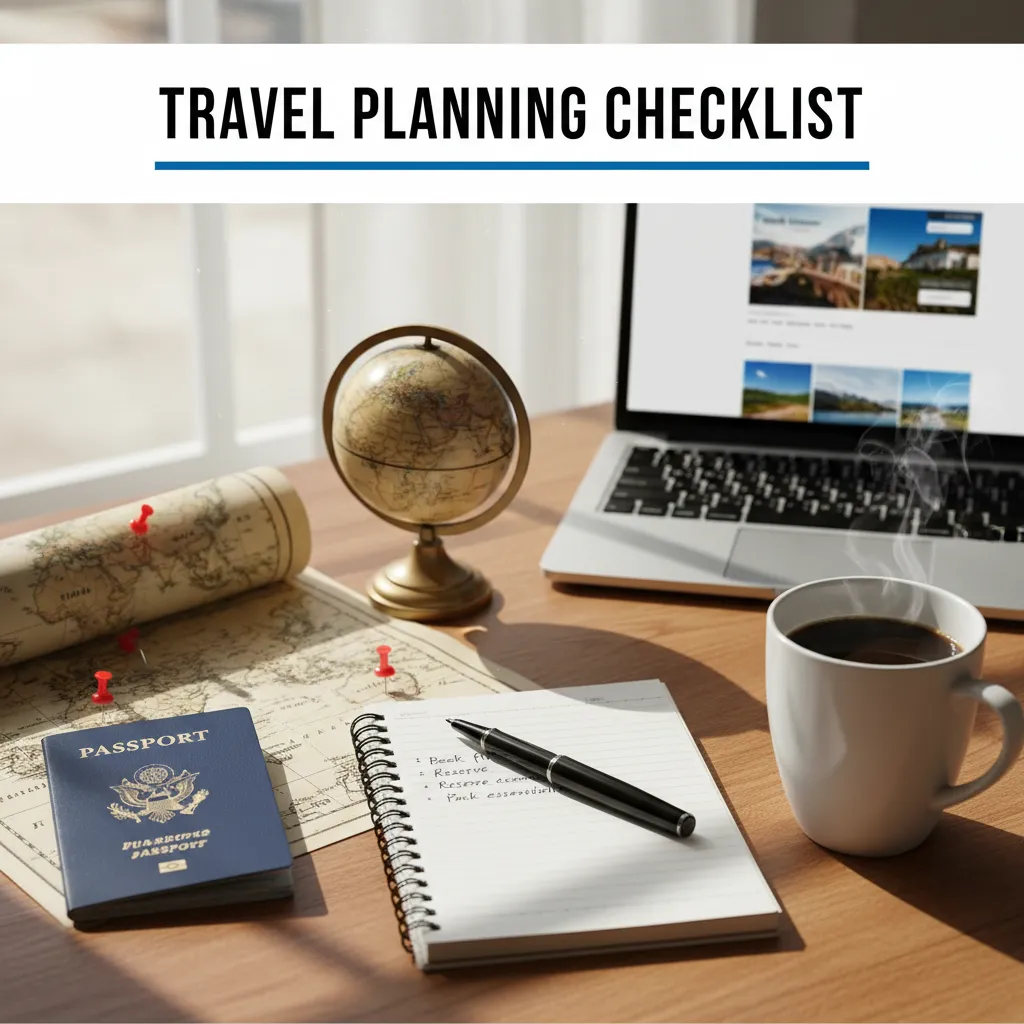
Once you choose your destination, the real work begins. Proper planning is one of the most vital tips on solo travel you can follow. It eliminates the stress of last-minute scrambling and sets you up for success.
Book Your First Few Nights
Never arrive in a new city without a place to sleep. Book your first two or three nights of accommodation well in advance. Jet lag and travel fatigue can cloud your judgment, making it difficult to hunt for a hotel while hauling your luggage. Having a confirmed reservation gives you a safe home base to rest and acclimate to the time zone.
Secure Comprehensive Travel Insurance
Do not skip this step. When you travel alone, you have no one else to lean on if you get sick, lose your passport, or face a canceled flight. Medical emergencies abroad can drain your bank account instantly. Purchase a robust travel insurance policy that covers medical care, trip cancellations, and emergency evacuations. The Centers for Disease Control and Prevention strongly advises securing health coverage before leaving your home country. For more details on choosing the right policy, check out our guide on the best travel insurance options.
Share Your Itinerary
Safety hinges on accountability. Before you leave, compile a detailed itinerary. Include your flight numbers, hotel addresses, booking confirmations, and a loose schedule of your planned activities. Share this document with a trusted friend or family member back home. Schedule regular check-ins, whether that means a quick text every evening or a brief phone call every few days. If something goes wrong, someone will know exactly where to look for you.
Smart Budgeting Tips on Solo Travel
Managing your money effectively is crucial. Without someone to split the cost of a taxi, a hotel room, or a meal, expenses can add up quickly. Mastering your budget allows you to travel longer and experience more.
Track Your Daily Spending
Set a realistic daily budget before you leave. Factor in accommodation, food, transit, attractions, and a small buffer for emergencies. Use a budgeting app to log every purchase. When you track your spending, you quickly realize if you are bleeding money on overpriced coffees or expensive cabs.
Avoid the Single Supplement
Many tour operators and cruise lines charge a “single supplement” fee to solo travelers, effectively forcing you to pay for two people. To avoid this, look for companies that cater specifically to independent travelers. Alternatively, opt to stay in hostels or book private rooms in guesthouses where you only pay for the bed you occupy.
Maximize Travel Rewards
Use loyalty programs to your advantage. Sign up for airline frequent flyer programs and hotel rewards. If you manage your finances responsibly, consider applying for one of the best travel credit cards to earn points on your daily purchases. You can use these points to cover flights or upgrade your accommodation, saving you hundreds of dollars.
Safety First: Protecting Yourself While Exploring Alone
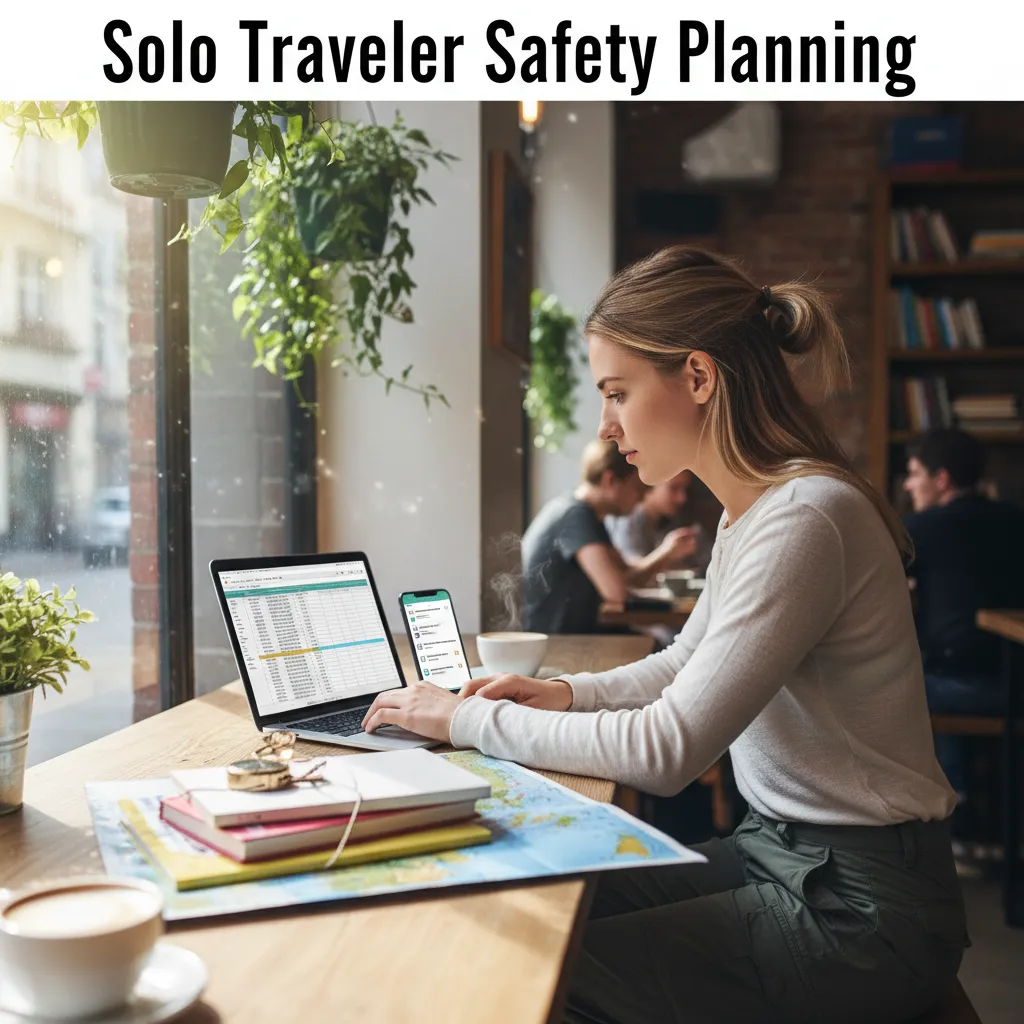
Safety remains the top concern for most independent travelers. While the world is generally a welcoming place, exercising caution is non-negotiable. These tips on solo travel safety will help you navigate your destination with confidence.
Blend In with the Locals
Avoid looking like a stereotypical tourist. Dressing appropriately for the culture not only shows respect but also prevents you from becoming a target for pickpockets. Research local dress codes before you pack. Skip the flashy jewelry, expensive watches, and overly casual athletic wear if it stands out in that specific country. Walk with purpose. If you look like you know where you are going, scammers are less likely to approach you.
Secure Your Valuables
Keep your passport, extra credit cards, and backup cash locked in your hotel safe. When you go out for the day, only carry the money you need and one primary credit card. Invest in a money belt or an anti-theft crossbody bag with locking zippers and slash-proof fabric. Never put your phone or wallet in your back pocket, especially in crowded tourist areas or on public transit.
Trust Your Instincts
Your intuition is your best defense mechanism. If a situation, a place, or a person makes you feel uncomfortable, remove yourself immediately. Do not worry about being polite. If a stranger asks invasive questions about where you are staying or whether you are alone, lie. Tell them you are meeting your spouse or a friend in five minutes. Prioritize your safety over social etiquette.
Use Technology to Stay Safe
Keep your phone charged at all times. Pack a high-capacity portable power bank so you never lose access to your maps or emergency contacts. Download offline maps via Google Maps so you can navigate without a cellular connection. Share your live location with a friend back home using tracking apps.
How to Meet People and Beat Loneliness
Traveling alone does not mean you have to be lonely. In fact, independent travelers often find it much easier to meet locals and other foreigners than those traveling in groups.
Join Group Activities
Booking a group activity provides an instant social circle. Walking tours, cooking classes, and pub crawls attract like-minded adventurers eager to connect. Food tours are particularly excellent because they combine cultural education with the shared experience of eating. You will likely end the tour with a few new friends and a dinner plan for the following evening.
Leverage Social Media and Apps
Use technology to bridge the gap. Join Facebook groups dedicated to travel, where you can ask for local recommendations or see if anyone wants to grab coffee. Attend events hosted on Meetup.com to connect with locals who share your hobbies, whether that is hiking, photography, or language exchange.
Sit at the Bar
When dining out, ask for a seat at the bar rather than a solitary table. Bartenders are usually excellent conversationalists and wealths of local knowledge. Furthermore, other solo diners tend to gravitate toward the bar, making it the perfect environment to strike up a natural, low-pressure conversation. If you need more tips on dining alone, read our article on solo dining confidence.
Comparison: Hostels vs. Hotels for Solo Travelers
Choosing where to stay significantly impacts your experience. Here is a breakdown to help you decide which option suits your travel style.
|
Feature |
Hostels |
Hotels |
|---|---|---|
|
Cost |
Highly affordable, ideal for strict budgets. |
More expensive, you bear the full cost of the room. |
|
Social Atmosphere |
Very high. Common rooms and organized events encourage mingling. |
Low. Guests generally keep to themselves. |
|
Privacy |
Low in dorms, though private rooms are sometimes available. |
High. You have complete control over your space. |
|
Amenities |
Basic. Often features shared kitchens and communal bathrooms. |
High. Daily housekeeping, gyms, and room service. |
|
Best For |
Extroverts, budget backpackers, and those wanting to make friends easily. |
Introverts, luxury seekers, and those needing a quiet retreat. |
Top Apps and Technology for Solo Adventurers
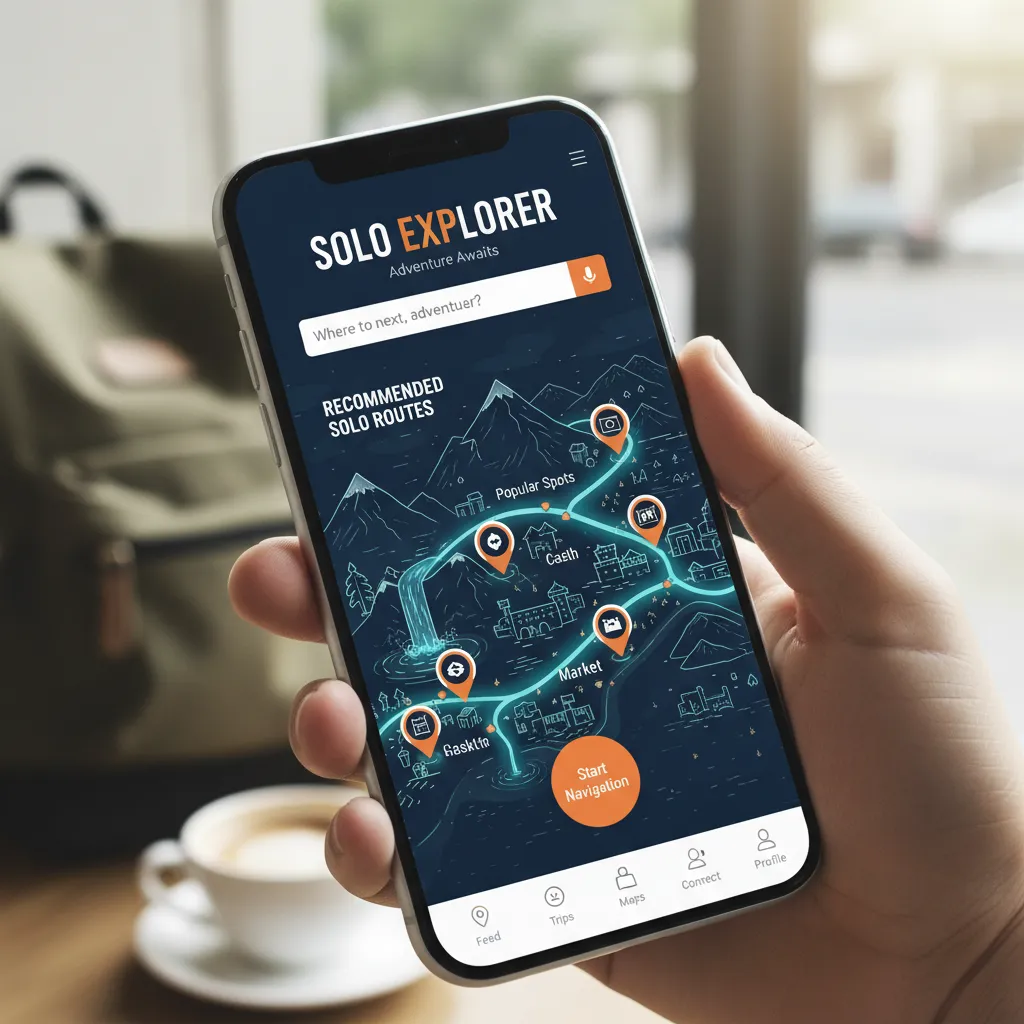
Your smartphone is your ultimate travel companion. Loading it with the right applications makes navigating a foreign country much smoother.
- Translation Apps: Download Google Translate and save the local language for offline use. The camera feature allows you to translate menus and street signs instantly.
- Currency Converters: Apps like XE Currency help you understand exactly what you are spending in your home currency, preventing accidental overspending.
- Ride-Sharing: Research the dominant ride-sharing app in your destination. Uber operates globally, but regional apps like Grab (Southeast Asia) or Cabify (Latin America) offer safer alternatives to street taxis.
- Messaging: WhatsApp is the global standard for communication. It allows you to contact hotels, tour guides, and new friends using just a Wi-Fi connection.
Expert Insights: Pro Tips for a Smoother Journey
To elevate your travel experience, integrate these advanced strategies into your routine.
Get an early start to your day. Waking up at sunrise allows you to visit popular landmarks before the massive tour buses arrive. You get better photos, enjoy cooler weather, and avoid the stress of navigating dense crowds.
Pack light. Dragging a massive suitcase up five flights of stairs or across cobblestone streets is exhausting and makes you vulnerable. Stick to a carry-on backpack. It forces you to pack only the essentials, saves you money on baggage fees, and keeps you agile. Check our backpacking essentials list to see exactly what you need.
Learn a few basic phrases in the local language. Knowing how to say “hello,” “please,” “thank you,” and “do you speak English?” goes a long way. Locals appreciate the effort, and it often leads to better service and warmer interactions.
Common Mistakes to Avoid on Your First Solo Trip
Even the most prepared travelers stumble. Avoid these frequent errors to keep your journey on track.
Do not overschedule your days. Trying to cram five museums, two neighborhoods, and a fancy dinner into one day leads to rapid burnout. Leave room for spontaneity. Some of the best travel moments happen when you simply wander down an interesting alleyway or sit in a park people-watching.
Do not arrive in a new city late at night. Navigating unfamiliar streets in the dark while exhausted is a recipe for disaster. Book flights or trains that arrive in the morning or early afternoon. You will have daylight to find your hotel and time to safely explore the immediate neighborhood.
Do not ignore your physical limits. Travel requires a lot of energy. If you feel tired, take a rest day. Sleep in, order room service, or watch a movie. Listening to your body keeps you healthy and ready for the rest of your adventure.
Embrace the Learning Curve

Every independent journey teaches you something new about the world and yourself. Do not strive for a flawless trip, because minor hiccups are inevitable. Missed trains and language barriers often turn into the best stories later on. Embrace the learning curve, stay flexible, and remember that every challenge you overcome builds your confidence for the next adventure.
Conclusion
Mastering these tips on solo travel equips you to explore the world with absolute confidence. From securing the right insurance to keeping your budget in check, thorough preparation turns anxiety into excitement. Embrace the freedom of independent exploration, step outside your comfort zone, and start planning your next great adventure today. Book that ticket, pack your bag, and discover what you are truly capable of achieving.
FAQs
What are the most important tips on solo travel for beginners?
For beginners, the most critical advice includes starting with a safe and easy-to-navigate destination, booking your first few nights of accommodation in advance, and sharing your detailed itinerary with someone back home. Packing light and trusting your instincts also top the list.
Is it safe to travel alone as a woman?
Yes, traveling alone as a woman is generally very safe, provided you take appropriate precautions. Research your destination’s safety index, dress according to local customs, avoid walking alone late at night in deserted areas, and always stay aware of your surroundings.
How do I handle eating at restaurants by myself?
Dining alone can feel intimidating at first. To ease into it, bring a book or a journal to keep yourself occupied. Sitting at the bar is an excellent way to feel less exposed and often leads to friendly conversations with the bartender or other solo diners.
How can I avoid paying the single supplement fee?
To avoid the single supplement fee, skip traditional cruise lines and large group tours that price based on double occupancy. Instead, book boutique hostels, utilize local public transit, and seek out tour operators that specialize in trips for independent travelers.
What should I do if I get sick while traveling alone?
Always travel with a basic first-aid kit containing pain relievers, stomach medication, and cold medicine. If you require a doctor, contact your travel insurance provider immediately. They can direct you to an approved clinic or hospital that speaks your language and provide payment guarantees.
How do I meet locals when exploring independently?
Meeting locals is easier than you think. You can join walking tours, take a local cooking class, or attend events hosted on platforms like Meetup.com. Visiting neighborhood cafes and chatting with shop owners also helps build organic connections.
What is the best way to carry money overseas?
Never carry all your cash in one place. Keep a small amount of daily spending money in a secure front pocket or crossbody bag. Leave your backup credit cards and the bulk of your cash locked in your hotel safe. Use ATMs attached to major banks for the best exchange rates.
How do I take good photos of myself without a travel partner?
You have several options for capturing great memories. You can use a lightweight travel tripod paired with your phone’s self-timer or a Bluetooth remote. Alternatively, look for other tourists carrying nice cameras and offer to take a photo of them in exchange for them taking one of you.
What should I pack for my first solo trip?
Pack extremely light. Focus on versatile, layerable clothing that you can mix and match. Bring essential electronics like a universal adapter and a high-capacity power bank. A secure anti-theft daypack is crucial for protecting your valuables while sightseeing.
How do I deal with loneliness on the road?
Loneliness is a normal part of the experience. Combat it by scheduling a video call with friends or family back home. Keep yourself busy by joining a group tour, going to a bustling market, or simply relaxing in a lively coffee shop where you can enjoy the vibrant atmosphere around you.


Leave a Reply