

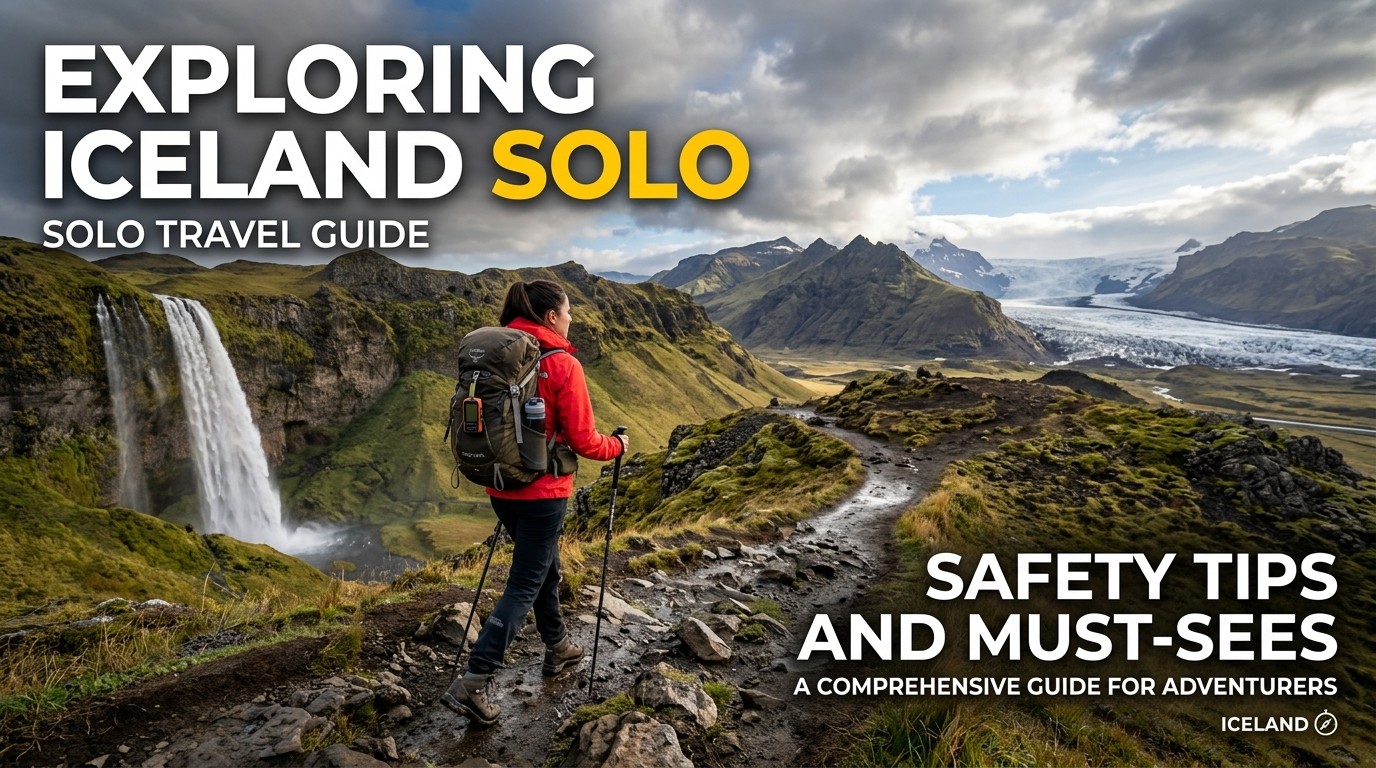
Exploring Iceland solo can be safe, rewarding, and unforgettable when you plan for weather, roads, and daylight, while leaving room for the country’s raw beauty and calm rhythm.
Traveling alone through Iceland is one of those rare trips that feels both peaceful and adventurous at the same time. Exploring Iceland Solo often starts with that same mix of calm and anticipation, which is part of the appeal. For many readers, Exploring Iceland Solo is not only about seeing glaciers and waterfalls; it is about feeling confident enough to move at your own pace, trust your judgment, and enjoy a place that rewards curiosity. The country is famous for dramatic landscapes, clean air, and a strong safety culture, which makes it especially appealing for independent travelers. Exploring Iceland Solo feels natural here because the environment rewards careful, self-directed travel. Still, smart planning matters because weather can shift quickly, distances can be longer than they look on a map, and some of the most beautiful places sit close to nature’s edge.
Exploring Iceland Solo works best when you think in layers. First, there is the practical layer: flights, lodging, transportation, and timing. Next comes the safety layer: how to handle changing conditions, what to pack, and how to react if plans shift. Then there is the emotional layer: how to stay comfortable with your own company while still meeting people, taking in the scenery, and avoiding rushed decisions. When those layers come together, Exploring Iceland Solo becomes less about managing risk and more about building a memorable journey.
Why Iceland Feels So Good for Solo Travelers
Iceland has a reputation for being welcoming, orderly, and easy to navigate in many respects. English is widely spoken, major roads are clearly marked, and tourism infrastructure is strong in popular areas. That combination gives solo travelers a reassuring sense of independence. Exploring Iceland Solo often feels easier than many first-time solo trips because you can move between major sights without needing a complicated network of trains or buses. That means checking weather forecasts several times a day and not treating any plan as fixed. The landscape itself does a lot of the work: you can stand in silence at a waterfall, watch waves crash on a black sand beach, or sit in a geothermal pool and feel fully present.
That said, Exploring Iceland Solo is not the same as traveling casually in a city break destination. Conditions change fast. Wind can become intense, gravel roads can challenge drivers, and some viewpoints require extra care near cliffs or slippery ground. The best mindset is calm respect. Exploring Iceland Solo is at its best when you embrace a slower pace and accept that the weather, not your checklist, sets the rhythm. Iceland does not demand fear; it asks attention. Once you understand that, Exploring Iceland Solo becomes a deeply rewarding experience that blends freedom with responsibility.
If you are used to planning trips like Solo Travel Ireland, you will notice Iceland has a similar invitation to scenic self-guided exploration, but with more dramatic weather variability and more remote stretches between stops. That makes preparation a bigger part of the experience, yet it also increases the feeling of accomplishment once you are on the road.
The First Safety Rule : Respect the Weather
The biggest mistake many visitors make is underestimating how quickly Icelandic weather can change. A morning that begins clear and calm may turn windy, wet, or icy by afternoon. When Exploring Iceland Solo, that means checking weather forecasts several times a day and not treating any plan as fixed. It also means dressing in layers rather than assuming one jacket will solve everything. A solid system is usually better than a single expensive item. Exploring Iceland Solo becomes much easier when every layer has a clear job.
Start with a moisture-wicking base layer, add an insulating mid-layer, and finish with a waterproof outer shell. Good socks, gloves, a hat, and sturdy shoes matter more than stylish outfits. If you are planning Exploring Iceland Solo in winter or shoulder season, traction devices for boots can be extremely helpful. In cold months, daylight can be limited, so always plan your driving and sightseeing around the light you actually have, not the light you wish you had.
One of the smartest habits for Exploring Iceland Solo is to check road and weather conditions before every long drive. Conditions can be local and uneven; a route may be clear in one area and dangerous in another. If the forecast looks unstable, delay the outing or switch to an easier stop. Flexibility is not a failure. It is often the difference between a good trip and a stressful one.
Driving Alone in Iceland
Many solo travelers choose to rent a car because it gives them freedom. That freedom is valuable, but it also comes with responsibility. Exploring Iceland Solo works best when freedom and responsibility stay in balance. When Exploring Iceland Solo by car, know what kind of vehicle you actually need. A standard car may be enough for summer travel on the main route and near the capital, while a 4×4 can be more appropriate for rougher conditions or more ambitious plans. Always read the rental terms carefully, especially regarding gravel protection, insurance coverage, and road restrictions.
Driving in Iceland requires patience. Speed limits are lower than many travelers expect, and scenic stops can tempt you to pull over often. That is fine, as long as you park safely and avoid stopping in dangerous spots. Never stand in the road for photos. Never ignore road closures. Never assume a short dirt road is harmless just because it appears close to a main attraction. Exploring Iceland Solo becomes much safer when you treat the drive itself as part of the journey rather than an obstacle to getting somewhere.
If you are worried about long distances, break the route into manageable segments and stay overnight in more than one place. That reduces fatigue and gives you room to enjoy each area properly. It also means that if weather interrupts one part of the trip, you are less likely to lose the whole plan.
Why Insurance Matters More Than People Think
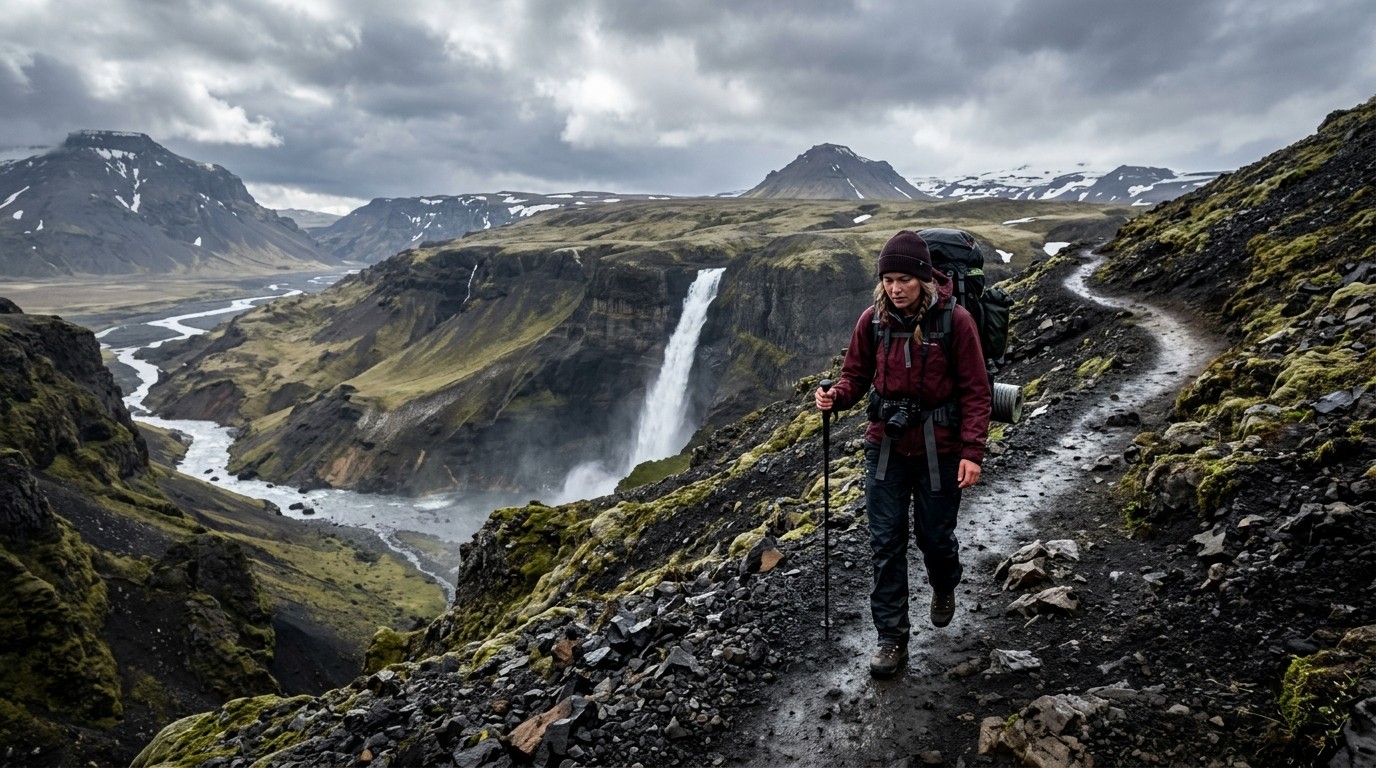
Travel insurance is not just paperwork in Iceland; it is part of responsible trip planning. Exploring Iceland Solo deserves that extra layer of protection, especially on remote routes. When Exploring Iceland Solo, you are the only person making decisions for yourself, so coverage becomes a backup system for the choices you cannot fully control. A policy that includes adventure activities can be useful if you plan glacier walks, boat trips, or other active excursions. A policy sold as Adventure Travel Insurance may sound broad, but you should still confirm the exact activities it covers. Likewise, emergency evacuation coverage can matter in remote areas where getting help may require more than a standard clinic visit. For remote routes, Emergency Evacuation Insurance can be an especially important detail to verify before departure.
Look carefully at what is included. Some policies cover trip cancellations and lost baggage but exclude certain outdoor activities. Others appear broad at first but have strict limits for weather-related disruptions, road incidents, or medical transport. Read the fine print before you go, especially if your itinerary includes winter driving or rugged coastal areas. Exploring Iceland Solo is safer when you know what kind of support exists behind you.
Best Time to Visit for a Solo Trip
The right season depends on what you want most. Summer brings long daylight hours, easier driving conditions, and access to more areas. Winter offers dramatic light, snow-covered scenery, and a quieter atmosphere, but it demands more caution. Spring and autumn often balance the two, with fewer crowds and varied conditions.
When Exploring Iceland Solo in summer, you can fit more into a day and enjoy less pressure from darkness. When Exploring Iceland Solo in winter, reduce your daily expectations and leave generous time for weather delays. Many solo travelers find that a slower pace makes the whole trip feel richer, because there is less pressure to rush from one famous site to the next.
For first-time visitors, the safest approach is often a shoulder-season trip with a flexible route. That gives you a better balance of manageable conditions, open services, and room to adapt.
Must-See Stops Around the South Coast
The South Coast is a classic route for a reason. Waterfalls, beaches, glaciers, and volcanic landscapes line the way, and many of the major highlights are accessible without extreme hiking. For anyone Exploring Iceland Solo, this area offers some of the country’s most memorable scenery with a relatively straightforward travel pattern. Exploring Iceland Solo can feel especially rewarding in the South Coast because the scenery changes so quickly from one stop to the next.
Seljalandsfoss is famous because you can walk behind the waterfall, but the ground can be slippery, so take your time. Skógafoss is powerful and dramatic, and the stairs nearby offer a rewarding view if the weather is clear. Reynisfjara Black Sand Beach is unforgettable, but the waves are dangerous and can rise suddenly, so never turn your attention away from the water. Dyrhólaey offers broad coastal views and a sense of openness that many solo travelers love.
If you continue farther east, glacier views and quiet roadside landscapes become more common. This stretch shows why Exploring Iceland Solo is so compelling: every turn can feel cinematic, yet the experience remains grounded and real.
The Golden Circle for Easy Wins
The Golden Circle is one of the easiest routes for a solo traveler who wants major sights without a complicated drive. It includes Þingvellir National Park, the Geysir geothermal area, and Gullfoss waterfall. Each stop offers a different kind of wonder. Þingvellir combines geology and history, Geysir gives you a look at powerful geothermal activity, and Gullfoss delivers a huge visual payoff.
Exploring Iceland Solo along this route is particularly appealing because it is simple to navigate and can fit into a short itinerary. It also gives you confidence early in the trip. Exploring Iceland Solo becomes even more enjoyable when you know which sights deserve extra time and which ones are best as brief stops. After finishing the Golden Circle, many solo travelers feel ready to handle longer road days because the route has already shown them how Iceland works. If this is your first major independent road trip, the Golden Circle can be a very smart starting point.
Reykjavik as a Solo Base
Reykjavik is compact, walkable in many areas, and full of good food, cafes, and cultural stops. It is not just a place to sleep before the next drive. For many people Exploring Iceland Solo, the capital becomes a useful anchor where you can rest, regroup, and enjoy a softer day between bigger outings. You can visit museums, browse local shops, walk along the waterfront, and join a small group tour if you want company for a day.
A solo trip does not have to mean constant isolation. In Reykjavik, it is easy to enjoy your own time while still being around people. That makes the city especially helpful at the beginning or end of a trip, when you may want a gentle transition between travel mode and home mode. Exploring Iceland Solo can be social when you want it to be and quiet when you need that space. Exploring Iceland Solo gives you a rare chance to hear your own thoughts while moving through landscapes that feel almost unreal. Exploring Iceland Solo feels more balanced when you mix wild landscapes with human-scale comfort.
Staying Safe at Waterfalls, Beaches, and Cliffs
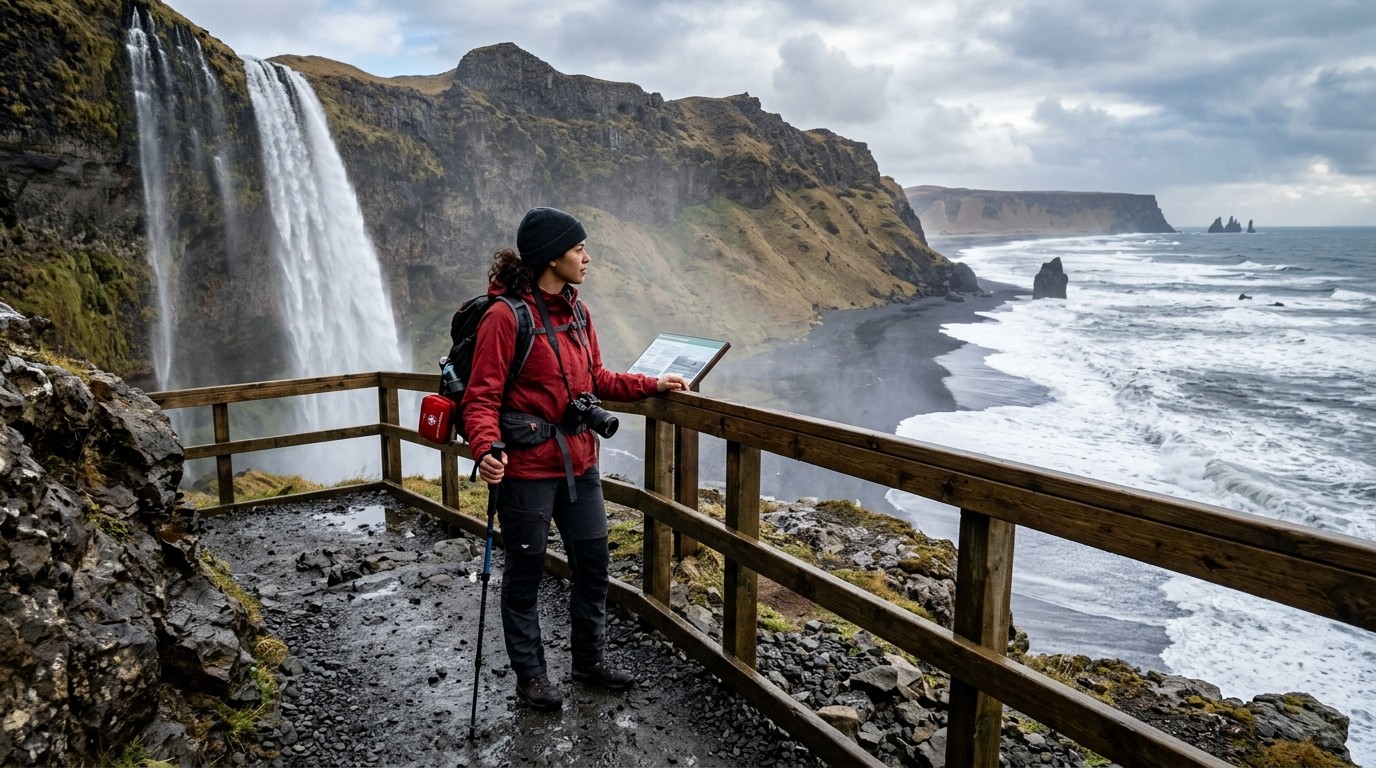
Iceland’s natural attractions are beautiful precisely because they are powerful. That power means you have to stay alert. At waterfalls, watch for spray that makes rocks slick. At beaches, respect the ocean and its unpredictable waves. At cliffs, keep a real distance from edges, especially when wind is strong. Exploring Iceland Solo requires a steady habit of checking your footing and reading the scene before you move closer.
It is also wise to avoid chasing the perfect photo. Some of the most dangerous moments happen when people step where they should not because they are focused on framing a shot. Safety should always come first. If the best angle requires risk, skip it. Exploring Iceland Solo works best when you trust your judgment and avoid trying to prove anything to anyone else. Exploring Iceland Solo is supposed to expand your freedom, not shrink it through one avoidable mistake.
Choosing Where to Stay
Accommodation choices can shape the whole rhythm of the trip. Hotels are convenient in cities and larger towns. Guesthouses can feel warm and personal. Cabins and farm stays can create a calmer, more local experience. When Exploring Iceland Solo, the right stay is often the one that makes the next day easier, not just the one that looks nicest in a photo.
Look for practical details like parking, flexible check-in, breakfast options, and proximity to your route. In remote areas, staying close to your next day’s destination can reduce stress and help you avoid rushing after a long drive. If you are traveling in winter, a location that limits extra driving after dark can be especially valuable.
A Sample 7-Day Solo Route
A balanced one-week itinerary can help you see major highlights without becoming exhausted. Day 1 can focus on arriving in Reykjavik and settling in. Day 2 can cover the Golden Circle. Day 3 can move along the South Coast to major waterfalls. Day 4 can continue farther east or offer a glacier-focused excursion. Day 5 can slow down with a return drive and extra scenic stops. Day 6 can be reserved for Reykjavik, museums, or a geothermal soak. Day 7 can be used for departure or a final short outing.
This kind of structure works well because it keeps pressure low. Exploring Iceland Solo becomes easier when every day does not have to be packed. Leave time for weather, lunch breaks, and unplanned stops. The best solo trips often feel a little spacious.
For travelers comparing different kinds of independent European trips, something like Solo Travel Spain and Portugal may feel more urban and sun-oriented, while Iceland is more elemental and weather-sensitive. That contrast can help you choose the travel style that suits your personality best.
Packing List Essentials
Packing well is one of the easiest ways to improve comfort. Bring waterproof layers, warm clothing, hiking shoes or boots, a reusable water bottle, power bank, gloves, hat, sunglasses, and a small first-aid kit. If you plan to drive, keep snacks and water in the car. Exploring Iceland Solo is much smoother when you have enough supplies to handle delays without feeling stranded.
A good travel document organizer can also help, especially if you are moving between multiple locations. Keep your driving documents, insurance details, passport, and booking confirmations easy to reach. When you are alone, small systems matter more because there is no one else to remember them for you.
How to Meet People Without Losing Solo Freedom
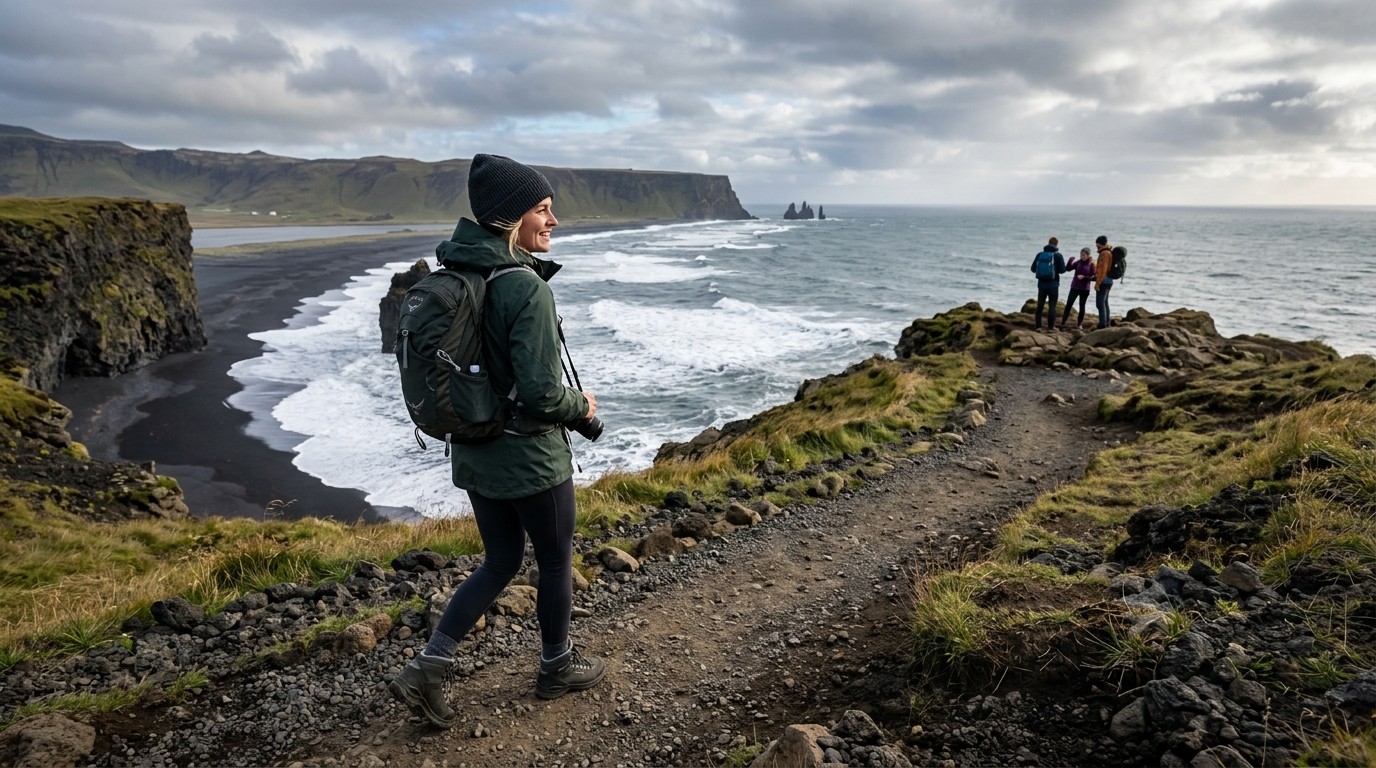
One of the nice things about solo travel is that you control your social energy. You can spend the day in silence or join others when it feels right. In Iceland, small group tours, hot springs, cafes, and guesthouses all create natural chances to talk with people. Exploring Iceland Solo does not mean you have to be cut off. It simply means you choose the shape of your social time.
A healthy solo rhythm often includes one or two social moments each day rather than a nonstop stream of interaction. That way you still get the independence you wanted, but you do not feel isolated. For many travelers, this balance is one of the most satisfying parts of Exploring Iceland Solo.
Budgeting Smartly
Iceland can be expensive, but planning can keep costs manageable. Book accommodations early, especially in popular seasons. Compare car rentals carefully. Balance restaurant meals with grocery store snacks or simple breakfasts. Choose a few paid experiences and leave room for free scenic stops. Exploring Iceland Solo on a budget is realistic when you spend intentionally rather than impulsively.
It is often wise to prioritize safety-related expenses over luxury extras. Better tires, better insurance, and a slightly better-located stay can save time and reduce stress. That does not mean every upgrade is necessary. It means your budget should support the kind of trip you actually want to have.
Common Mistakes to Avoid
The biggest mistakes are usually predictable. Travelers ignore the forecast, underestimate wind, try to do too much in one day, or stop in unsafe places for photos. Others pack too lightly, forget that driving times can be longer than expected, or assume a map route is safe without checking current conditions. Exploring Iceland Solo is not difficult, but it does reward humility.
Another common mistake is treating every part of the trip as a performance. You do not need to prove anything. The goal is not to see every possible viewpoint. The goal is to return with great memories, good photos, and a clear sense that the trip was handled well.
A Few Extra Practical Tips
Carry offline maps in case signal drops. Keep your phone charged. Tell someone your rough plan if you are heading to remote areas. Eat before you become too hungry, especially on long driving days. Take regular breaks. If you are tired, stop. Exploring Iceland Solo becomes much safer when you treat your own energy level as part of the itinerary. Exploring Iceland Solo rewards patience, because the best views often appear after the rush has passed.
Also remember that many places are best experienced slowly. A short walk by a river or a longer pause at a viewpoint can be more meaningful than squeezing in one more attraction. Sometimes the most memorable part of Exploring Iceland Solo is not the famous landmark itself, but the quiet space around it. Exploring Iceland Solo is memorable precisely because the landscape makes ordinary moments feel larger and more vivid.
Why the Experience Stays With You
There is something powerful about being alone in a landscape that feels bigger than everyday life. Iceland gives you that feeling again and again. The water, rock, light, and wind create a sense of perspective that is hard to duplicate. Exploring Iceland Solo allows you to notice those details without compromise. You decide when to stop, how long to stay, and what kind of day you want to have. Exploring Iceland Solo is also a budgeting exercise, because thoughtful choices on lodging and transport leave more room for memorable experiences.
That freedom is the heart of the trip. The safety rules, driving advice, and packing lists all exist to protect that freedom. When you prepare well, the trip feels lighter, not heavier. That is what makes Exploring Iceland Solo such a strong choice for curious travelers.
Conclusion
Exploring Iceland Solo is one of the most rewarding trips you can take if you combine flexibility with common sense. Exploring Iceland Solo also teaches you how to trust your own pace. Respect the weather, plan conservatively, choose safe driving habits, and give yourself enough time to enjoy each stop. Iceland’s waterfalls, beaches, geothermal areas, and wide-open roads create a rare mix of independence and wonder. With the right preparation, Exploring Iceland Solo can become a confident, memorable journey that stays vivid long after you return home. Exploring Iceland Solo is at its best when you leave room for both structure and surprise.
Frequently Asked Questions (FAQ)
1. Is Iceland safe for first-time solo travelers?
Yes, Iceland is generally considered very safe for independent travelers, but weather, road conditions, and outdoor terrain still require careful attention. Exploring Iceland Solo is still safest when you keep checking conditions.
2. Do I need a car for Exploring Iceland Solo?
A car gives you the most freedom, especially for the South Coast and Golden Circle, though you can also use tours and local transport in some areas.
3. What is the best season for a solo trip?
Summer is easiest for driving and daylight, while spring and autumn can offer a good balance of manageable conditions and fewer crowds.
4. Should I buy travel insurance?
Yes. Choose a policy that fits your activities, especially if you plan hiking, glacier excursions, or remote travel.
5. Is it safe to hike alone in Iceland?
Short, well-marked hikes may be manageable with good preparation, but avoid risky routes, severe weather, and isolated areas when conditions are poor.
6. Can I see the main highlights in one week?
Yes. A week is enough for Reykjavik, the Golden Circle, and a South Coast route if you keep your schedule realistic.
7. What should I pack first?
Waterproof layers, warm clothing, sturdy footwear, gloves, a hat, power bank, and basic emergency supplies should be at the top of the list.
8. How expensive is a solo trip to Iceland?
It can be costly, but early booking, smart meal planning, and focusing on high-value experiences can help control the budget.
9. What should I do if weather changes suddenly?
Slow down, check official weather and road updates, and change your plan if necessary. In Iceland, postponing is often the best decision.
10. Is Exploring Iceland Solo worth it?
Absolutely. If you enjoy nature, independence, and thoughtful travel, the combination of safety, scenery, and freedom is hard to beat.



Leave a Reply