

This comprehensive article covers everything needed for solo adventures. You will learn how to choose destinations, manage budgets, pack efficiently, and stay safe. Follow these expert tips, actionable steps, and insights to transform your solo travel dreams into a rewarding, life-changing reality.
Traveling alone offers ultimate freedom and personal growth. This Guide to Solo Travel will help you navigate your journey. Discover how to explore safely, confidently, and efficiently.
Why Every Adventurer Needs a Guide to Solo Travel
Taking a trip alone can feel overwhelming, especially if you have never done it before. You must handle the logistics, safety protocols, and daily decisions without a safety net. This comprehensive Guide to Solo Travel exists to remove that anxiety. By having a structured approach to your journey, you can focus on the experience rather than the stress of planning.
When you rely on a clear methodology, you permit yourself to enjoy the spontaneous moments. Many travelers assume they need a partner to see the world, but stepping out on your own builds unmatched resilience and confidence. Whether you want to navigate the busy streets of Tokyo or relax on a quiet beach in Portugal, preparation dictates the quality of your trip. We will break down exactly how you can maximize your enjoyment while minimizing common travel frustrations.
The Psychological Benefits of Traveling Alone
Before we dive into the practical packing and planning steps, you should understand the incredible mental benefits of exploring the world by yourself. When you travel alone, you operate entirely on your own schedule. You wake up when you want, eat where you choose, and spend hours at museums without worrying if your companion is getting bored.
This level of autonomy fosters deep self-reflection. You learn to trust your instincts and make rapid decisions. When a train is delayed or a reservation falls through, you fix the problem yourself. This problem-solving boosts self-esteem significantly. Furthermore, solo travelers are much more approachable. Locals and other travelers are more likely to strike up a conversation with one person than a closed group. To ensure you are protected while you step out of your comfort zone, always invest in comprehensive travel insurance.
How to Plan Your First Solo Trip
Planning is the foundation of any successful trip. When you are the only one making decisions, you need a solid framework to prevent decision fatigue.
Choosing the Right Destination
Your first solo trip should ideally be to a location with a strong tourism infrastructure. Countries like Iceland, Japan, and New Zealand frequently rank high for safety and ease of travel. If you prefer a shorter flight, consider domestic weekend getaways to build your confidence.
Look for destinations where you can easily navigate public transportation and where language barriers are manageable. Researching Lonely Planet’s destination guides can provide excellent insights into the best locations for solo travelers based on your interests.
Setting a Realistic Budget
Running out of money is stressful, but it is infinitely more stressful when you are alone. Start by mapping out your primary costs: flights, accommodation, food, local transport, and activities.
Give yourself a daily allowance and keep an emergency fund of at least $500 accessible at all times. Track your expenses using a mobile app to ensure you stay within your limits. Mastering travel budgeting is a non-negotiable skill for anyone wanting to travel long-term.
Booking Accommodations
Where you stay dictates the tone of your trip. Hostels are fantastic for meeting people, especially if you book a private room for a balance of privacy and social interaction. If you prefer quiet evenings, boutique hotels or guesthouses offer a more relaxed environment. Always read recent reviews focusing on security, location, and cleanliness.
Safety Tips for Solo Travelers
Safety is usually the biggest concern for anyone embarking on a solo journey. While the world is generally safer than the news makes it seem, taking calculated precautions is necessary.
Trusting Your Instincts
Your intuition is your best defense mechanism. If a street feels unsafe, turn around. If a conversation makes you uncomfortable, walk away. You do not owe anyone politeness at the expense of your personal safety.
Digital Security and Physical Safety
Share your itinerary with a trusted friend or family member back home. Keep them updated on any sudden changes to your location. Use a VPN when connecting to public Wi-Fi to protect your banking information. For health-related safety, always review the CDC travel health guidelines before departing to ensure you have the necessary vaccinations.
Avoid walking alone late at night in unfamiliar areas, and never tell strangers that you are traveling alone. You can always say you are meeting a friend.
Packing Strategies: How to Pack Light
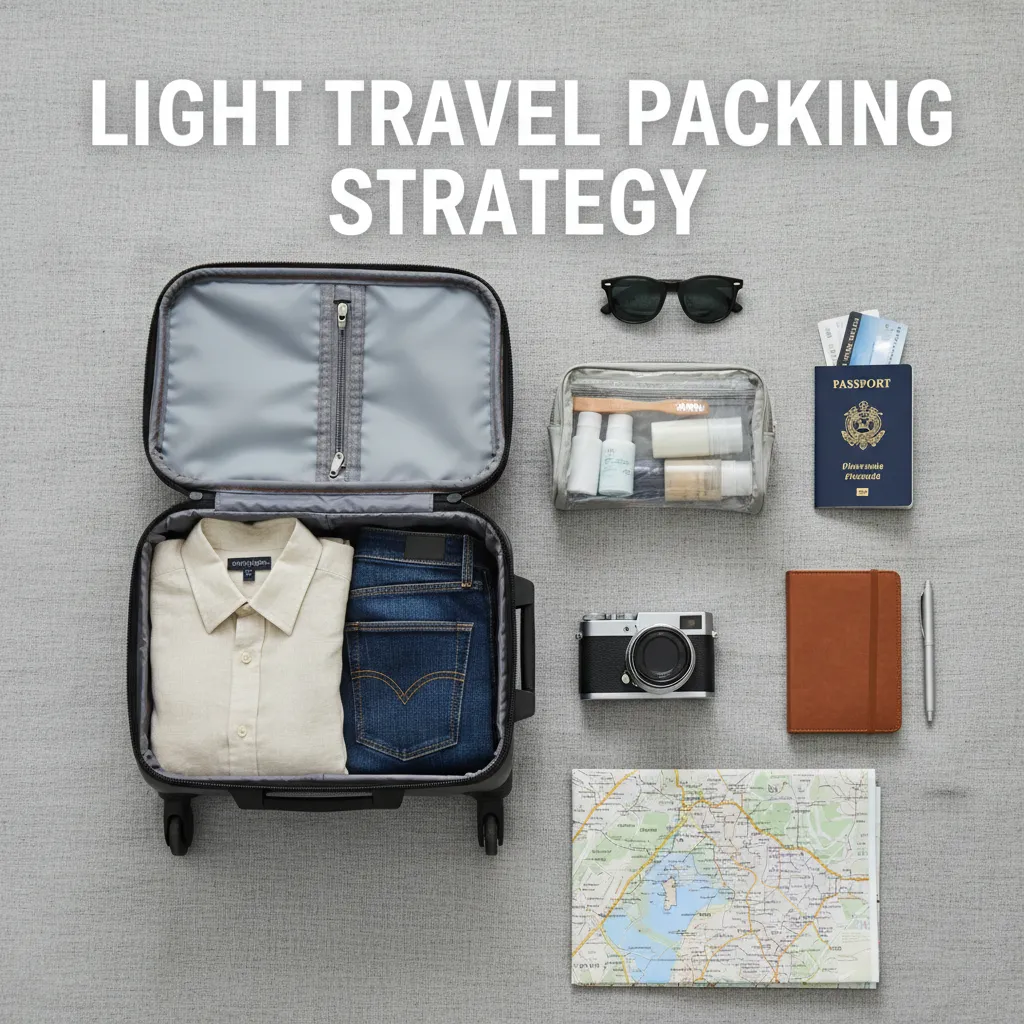
Overpacking is the most common mistake new travelers make. Lugging a massive suitcase up five flights of stairs in a historic European hotel will quickly teach you the value of minimalism. Stick to a capsule wardrobe featuring versatile, color-coordinated items that you can layer.
Backpack vs. Suitcase Comparison Table
|
Feature |
Travel Backpack |
Carry-on Suitcase |
|---|---|---|
|
Mobility |
Excellent for stairs and uneven terrain |
Best for smooth surfaces and airports |
|
Organization |
Requires packing cubes for efficiency |
Built-in compartments and easy access |
|
Physical Strain |
Can cause back sweat and shoulder strain |
Zero weight on your back |
|
Versatility |
Easily fits in overhead bins and buses |
Can be difficult to store in tight spaces |
No matter which option you choose, always pack a small first-aid kit, universal adapters, and a portable power bank. Mastering packing light will completely transform your travel experience.
Common Mistakes to Avoid
Even the most prepared travelers make errors, but you can bypass the most obvious ones.
First, do not over-schedule your days. Trying to see five landmarks in one afternoon will leave you exhausted. Leave room for serendipity.
Second, avoid carrying all your cash and cards in one place. Diversify where you keep your money; leave a backup credit card securely locked in your hotel safe.
Third, failing to learn basic local phrases is a missed opportunity. Knowing how to say “hello,” “please,” “thank you,” and “do you speak English?” goes a long way in earning respect from locals.
Pro Tips and Expert Insights
Seasoned solo travelers have a few tricks up their sleeves.
Download offline maps using Google Maps before you arrive in a new city. This ensures you can always find your way back to your accommodation without relying on cellular data.
Take advantage of free walking tours. They offer a fantastic way to orient yourself in a new city while simultaneously connecting with other travelers.
If you plan to rent a vehicle, review the policies from trusted sources like World Nomads regarding international driving permits and local insurance requirements.
Making Friends and Beating Loneliness

Loneliness can strike, even in the most beautiful places. When it happens, do not panic. Acknowledge the feeling and take action.
Sit at the bar of a restaurant instead of a secluded table; bartenders are great conversationalists, and other solo diners often sit there too. Join group activities like cooking classes, scuba diving certifications, or pub crawls. These natural icebreakers take the pressure off initiating conversations.
Remember, it is completely acceptable to take a “vacation from your vacation.” If you feel overwhelmed, stay in your room, watch a movie, and order room service. Recharging is vital for maintaining your energy on a solo trip.
Conclusion
Embracing a Guide to Solo Travel will equip you with the knowledge and confidence to explore the globe independently. From planning and packing to prioritizing your safety, every step prepares you for a successful adventure. Do not wait for the perfect moment or the perfect companion. Book that ticket, pack your bag, and start exploring today!
FAQs
1. Is solo travel safe for beginners?
Yes, solo travel is very safe for beginners if you choose the right destination, stay aware of your surroundings, and follow basic safety protocols like sharing your itinerary with family.
2. How do I manage travel anxiety before a trip?
Managing anxiety involves thorough preparation. Research your destination, plan your airport transfer, and accept that small hiccups are a normal part of the journey.
3. What is the best way to handle money abroad?
Carry a mix of local currency and travel credit cards with no foreign transaction fees. Never keep all your money in one pocket or bag.
4. How do I take photos of myself when traveling alone?
Use a lightweight tripod with a Bluetooth remote, ask friendly strangers or fellow tourists, or use the timer feature on your smartphone.
5. What should I do if I get sick while traveling solo?
Always travel with a basic first-aid kit and comprehensive travel insurance. If you get sick, contact your insurance provider for a list of approved local clinics.
6. Are hostels safe for solo travelers?
Hostels are generally very safe and offer lockers for your valuables. If you want privacy, many hostels offer private rooms while still providing access to social common areas.
7. How do I avoid paying single supplements?
Look for tour companies that offer room-sharing options, stay in hostels, or book accommodations specifically catering to solo travelers without hidden single fees.
8. What is a capsule wardrobe?
A capsule wardrobe consists of a few versatile, color-coordinated clothing items that can be mixed and matched to create multiple outfits, helping you pack light.
9. How do I eat alone at a restaurant without feeling awkward?
Bring a book, listen to a podcast, or sit at the bar. Remember that no one is judging you; dining alone is incredibly common around the world.
10. What is the best destination for a first solo trip?
Countries with low crime rates, friendly locals, and easy-to-use public transportation are ideal. Japan, Iceland, and Portugal are highly recommended for first-timers.


Leave a Reply