

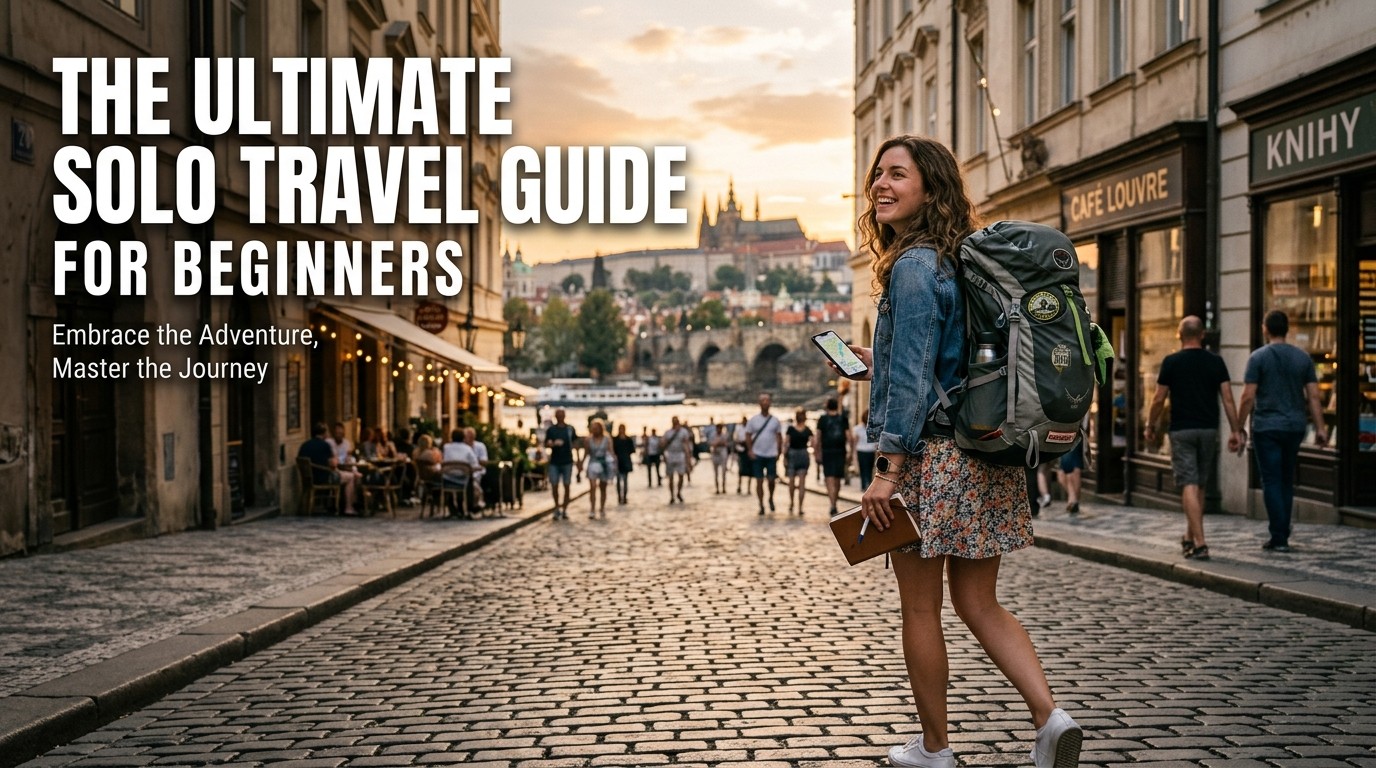
This Solo Travel Guide gives beginners a calm, practical path from planning and safety to confidence, packing, and smart decision-making on the road.
A Solo Travel Guide matters because the first trip alone is often more emotional than logistical. People usually fear the unknown, imagine worst-case scenarios, and worry about being lonely, unsafe, or overwhelmed. Those feelings are normal. A good Solo Travel Guide reduces that fear by turning a big abstract idea into small, manageable steps. Instead of asking you to become fearless, it helps you become prepared. That shift is powerful because preparation creates confidence.
The first lesson in any Solo Travel Guide is that solo travel is not about proving anything to anyone. It is about giving yourself freedom, space, and choice. When you travel alone, you control the pace, the route, the food, the budget, and the silence. That control can feel uncomfortable at first, but it quickly becomes empowering. Many beginners discover that the hardest part is leaving home, not navigating the destination. A thoughtful Solo Travel Guide helps you get through that first hesitation with less stress.
Benefits of traveling alone
One of the biggest Benefits of Solo Travel is self-trust. When you solve problems on your own, even small ones, you begin to see that you are more capable than you thought. Another benefit is flexibility. A Solo Travel Guide should remind you that you can change plans without negotiating with anyone else. If a museum feels boring, leave. If a café feels perfect, stay. That freedom makes the trip feel personal in a way group travel often cannot match.
There is also a quiet mental benefit. Solo travel gives your brain less social noise and more room to notice the present moment. You observe streets differently, eat more slowly, and pay attention to your instincts. A good Solo Travel Guide emphasizes that this awareness is part of the reward. You are not only seeing a new place; you are learning how you behave when nobody else is steering.
Building confidence before departure
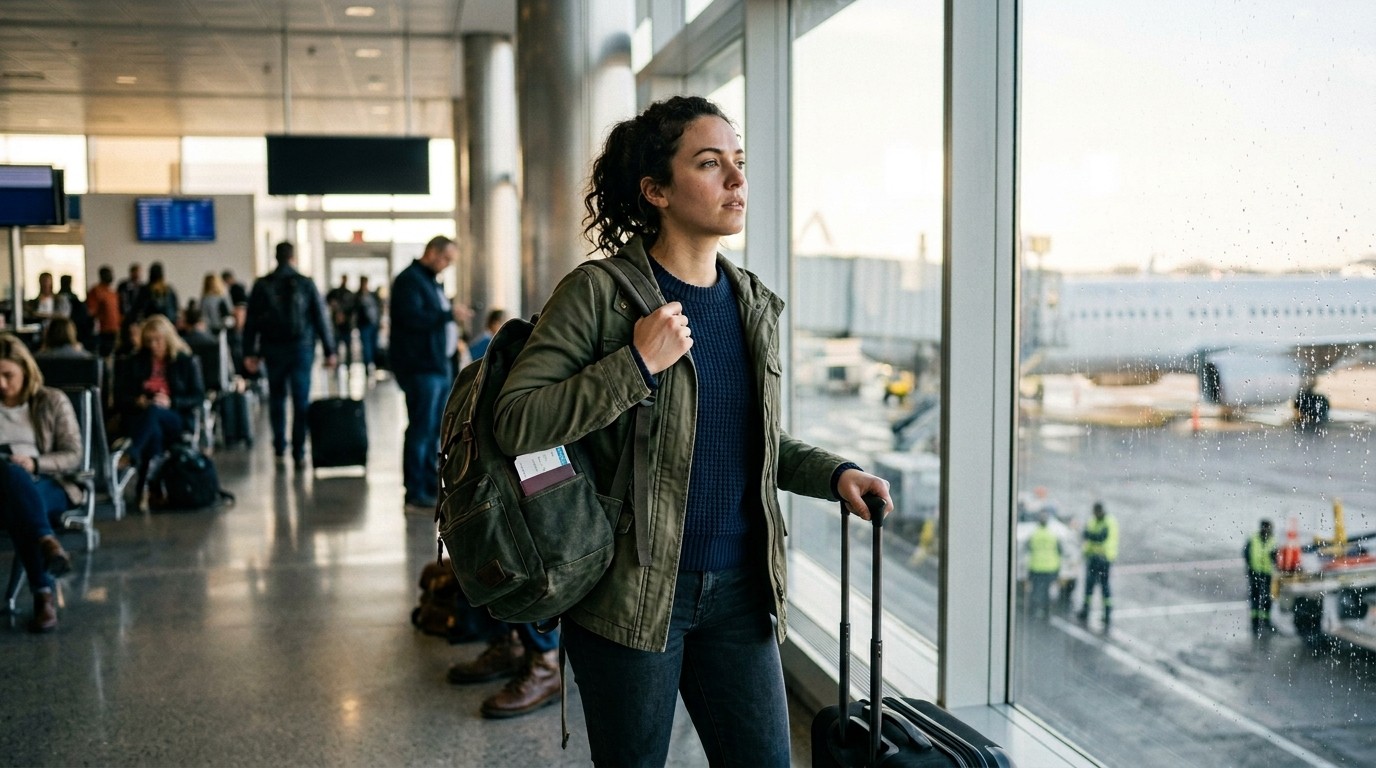
A Solo Travel Guide for beginners should begin before the trip starts. Confidence is easier to build at home than in a crowded train station abroad. Start by practicing small independent decisions. Book a restaurant alone. Take a day trip by yourself. Walk through your own city with a tourist mindset. These small rehearsals teach your mind that being alone does not automatically mean being vulnerable.
Practical tips for beginners often sound simple, but the details matter. Learn your route from airport to hotel. Save offline maps. Keep digital copies of your passport, booking confirmations, and emergency contacts. A Solo Travel Guide should also encourage you to practice basic phrases if you are visiting a country where you do not speak the language. Preparation reduces panic because it removes unnecessary surprises.
Choosing the right destination
Not every destination is equally beginner-friendly. A Solo Travel Guide should help you choose a place that matches your comfort level rather than your fantasy level. Beginners often do better in destinations with solid transportation, visible tourist infrastructure, and a reputation for safety. That does not mean your first trip must be boring. It means your first trip should be supportive.
Look for destinations where navigation is manageable and daily decisions are straightforward. A well-designed Solo Travel Guide will often recommend starting with a city you can explore on foot, by train, or with easy ride-sharing options. If you prefer nature, choose an area with clear trails and a strong tourism network. The aim is not to avoid challenge. The aim is to avoid unnecessary friction.
Before you confirm lodging, read recent reviews for noise levels, cleanliness, neighborhood access, and staff responsiveness. Choose a base with clear check-in instructions, stable Wi-Fi, and transport nearby so late arrivals feel manageable. A simple, well-located room reduces stress, saves time, and gives you a calm place to regroup after busy days. That small sense of order helps reduce decision fatigue, which is especially valuable when every meal, route, and schedule choice is yours alone.
Safety starts with habits
Safety is often the biggest concern in any Solo Travel Guide, and that concern deserves respect. Safety is not about fear; it is about habits. Share your itinerary with someone you trust. Arrive in daylight when possible. Keep your valuables separated. Stay aware of your surroundings. A beginner does not need to be paranoid. A beginner needs a routine.
Smart solo travelers learn to scan environments without becoming tense. They notice exits, public spaces, and places where they can ask for help. A Solo Travel Guide should encourage this kind of calm awareness because it lowers anxiety and improves response time if something unexpected happens. Confidence is not pretending risks do not exist. Confidence is knowing you already thought about them.
Packing light makes everything easier
One of the most underrated lessons in a Solo Travel Guide is that lighter luggage equals lighter stress. When you travel alone, you are the only person lifting, carrying, guarding, and organizing your bags. Excess weight becomes a burden very quickly. Pack clothing that works in layers, shoes you can actually walk in, and items that serve more than one purpose.
A simple packing list should include essentials, not possibilities. If an item solves a real problem, pack it. If it only solves an imagined inconvenience, leave it behind. A Solo Travel Guide should teach beginners that overpacking often comes from fear, not necessity. The more you trust your planning, the less you feel you need to carry.
Where solitude becomes a strength
Many beginners worry about eating alone, sitting alone, or being seen alone. A Solo Travel Guide should normalize those moments instead of treating them as awkward failures. Eating alone can feel strange the first time, but it quickly becomes one of the best parts of the journey. You notice the food more. You notice the room more. You notice yourself more.
Solitude also helps you make better choices. You are not rushing to please anyone else. You can follow curiosity instead of consensus. That is why a Solo Travel Guide often changes the way people think about travel entirely. It is not just a method for seeing new places. It is a method for seeing your own preferences clearly.
Planning your budget without anxiety
Money worries can ruin the excitement of a trip if they are not handled early. A practical Solo Travel Guide should break the budget into categories: transport, accommodation, food, activities, emergencies, and extras. This creates structure and makes spending feel less chaotic. If you know the numbers before you leave, you can enjoy the trip with less mental friction.
Budgeting also protects your emotional energy. When you do not constantly worry about running out of money, you make calmer choices. A Solo Travel Guide should remind beginners that saving a small emergency buffer is not pessimism; it is freedom. The ability to handle a missed train, a taxi ride, or a medical need without panic is worth a lot.
How to handle loneliness without letting it control the trip
Loneliness is one of the most common fears in a Solo Travel Guide, but it is not the same as being alone. Many people discover that the feeling comes in waves and passes quickly. The key is not to resist it aggressively. The key is to plan around it. Choose a hostel common room, a group tour, a café, or an evening walking route if you know quiet hours feel heavy.
A Solo Travel Guide should also remind you that being alone is not a social failure. It can be restorative. You are allowed to enjoy your own company without turning the trip into a performance. If you want conversation, seek it. If you want quiet, keep it. That choice is one of the deepest rewards of traveling alone.
Advice for First Time Solo Travelers in real situations
Advice for First Time Solo Travelers usually includes practical habits, but the emotional side matters just as much. Start slowly each day. Do not pack your itinerary so tightly that one delay ruins everything. Leave room for meals, rest, and simple wandering. A Solo Travel Guide works best when it helps you stay flexible.
Another useful habit is to trust small instincts early. If a street feels off, turn around. If a hostel arrangement feels wrong, change it. If you are tired, stop. The strongest travelers are not the ones who endure the most discomfort. They are the ones who know when to adjust before discomfort becomes danger or resentment.
Using local transport with confidence
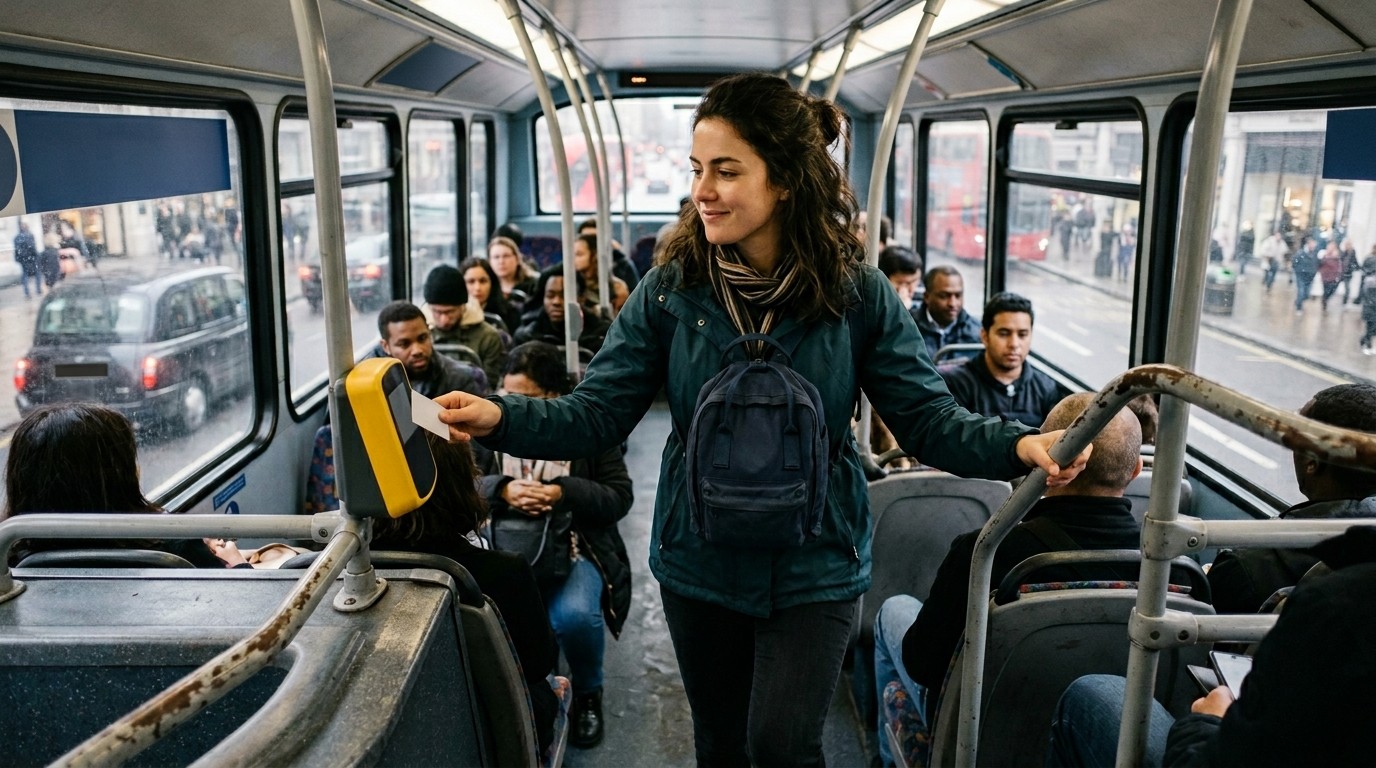
A Solo Travel Guide should help beginners avoid the trap of thinking transportation is more complicated than it really is. In many places, public transit is efficient, cheap, and easy once you learn the pattern. Start with one route. Learn how to read signs, where tickets are purchased, and how to exit at the right stop. Confidence grows through repetition.
If public transportation feels overwhelming at first, practice during quieter hours. Another smart Solo Travel Guide tactic is to keep both digital and printed information for hotel names, addresses, and return routes. That way, even if your battery dies or service drops, you can still navigate. Most transport problems become easier when you slow down and observe.
When ambition grows into bigger adventure
Once your first solo trip feels manageable, you may start dreaming bigger. Some travelers move from city breaks to trekking, and a Solo Travel Guide should prepare them for that transition. A trail journey demands more planning, more fitness awareness, and more respect for weather and terrain. It also demands humility. The outdoors does not care how motivated you feel.
That is why beginners should research carefully before attempting something like the Nepal Base Camp Trek. This is the kind of journey that can be deeply rewarding, but it requires training, pacing, and reliable support. A Solo Travel Guide should make clear that ambitious travel is best enjoyed when the basics are already strong. Confidence without preparation can become risk.
Physical challenge and mental preparation
Some people eventually move from gentle independent travel to serious adventure routes. The Kilimanjaro Climb Routes, for example, attract travelers who want a life-changing challenge. Yet even this kind of goal should begin with the same foundation as any Solo Travel Guide: preparation, patience, and honest self-assessment. The mountain is not the place to discover that you ignored your limits.
Mental preparation matters as much as physical training. You need to accept discomfort, slow progress, and the possibility of change. A Solo Travel Guide that leads into high-altitude adventure should remind you that strong decision-making beats ego every time. The best travelers stay curious without pretending they are invincible.
Staying healthy on the road
Health problems are easier to manage when you think ahead. A strong Solo Travel Guide recommends hydration, rest, safe food choices, and enough sleep to keep your energy steady. When you travel alone, nobody else notices early signs of fatigue for you. You have to become the person who checks in with your own body.
It also helps to carry a small medical kit with basics such as pain relief, bandages, motion sickness tablets, and any personal medication. A Solo Travel Guide should encourage beginners to know where the nearest clinic or pharmacy is before they need it. This kind of planning can turn a stressful moment into a manageable one.
Making friends without losing independence
Solo travel does not mean permanent isolation. A good Solo Travel Guide can actually help you connect with people more easily because you are more open and less tied to a group. You can talk to hosts, guides, café workers, and fellow travelers without needing anyone else’s permission. That creates more natural conversation.
The key is balance. You can enjoy company without building your trip around other people’s expectations. A Solo Travel Guide encourages beginners to stay socially flexible. Some days you may want a group dinner. Other days you may want your own room and silence. Both are valid. Independence is not the absence of connection. It is the freedom to choose it.
Using technology wisely
Phones can support a Solo Travel Guide, but they should not dominate it. Save offline maps. Keep portable power available. Use translation tools when needed. Take photos of important documents. Still, do not spend the entire trip looking at screens. The best solo travel moments often happen when you notice something small that a screen would have hidden.
Technology also helps with security and logistics. A Solo Travel Guide should advise beginners to use apps for directions, reservations, emergency alerts, and local transit. At the same time, it is wise to know what to do without a device. The more self-reliant you are, the less a battery percentage controls your mood.
How to think about risk without overreacting
Risk management is a huge part of travel psychology. A good Solo Travel Guide teaches you to distinguish between real risk and imagined risk. Not every unfamiliar situation is dangerous. Some are just new. Your job is to stay alert without becoming afraid of everything. That balance is a skill, and like any skill, it improves with practice.
The healthiest mindset is calm realism. Check the facts, observe the environment, and make sensible choices. A Solo Travel Guide should help beginners replace panic with process. Instead of “What if everything goes wrong?” ask “What is my plan if one thing goes wrong?” That question is much more useful, and it keeps your mind focused on action.
Building memorable days instead of perfect days
Beginners often think a successful trip must be flawless. A Solo Travel Guide can correct that idea by reminding you that memorable travel is often a little messy. You may miss a bus, take the wrong exit, or sit in the rain longer than planned. Those moments do not automatically ruin the trip. Sometimes they become the story.
The goal is not perfection. The goal is presence. A Solo Travel Guide helps you see that a good day is one where you stayed aware, stayed safe, and stayed open to what unfolded. That mindset reduces disappointment and makes the trip feel richer. Travel becomes less about control and more about meaning.
When to slow down
A lot of beginners make the mistake of doing too much. A Solo Travel Guide should encourage rest as part of the itinerary, not as a sign of weakness. If you arrive exhausted, give yourself permission to nap, read, or simply walk near your accommodation. Constant motion can turn excitement into burnout.
Slower travel often produces better memories because you actually absorb the experience. One of the most useful lessons in a Solo Travel Guide is that less can be more. A single meaningful neighborhood, meal, or conversation can matter more than five rushed attractions. Travel is not a race, and solo travel makes that truth easier to feel.
A final beginner tip is to keep your first itinerary short enough that you can recover from delays without rushing. A lighter schedule creates more patience, better decisions, and a more enjoyable trip.
The mindset that makes solo travel work
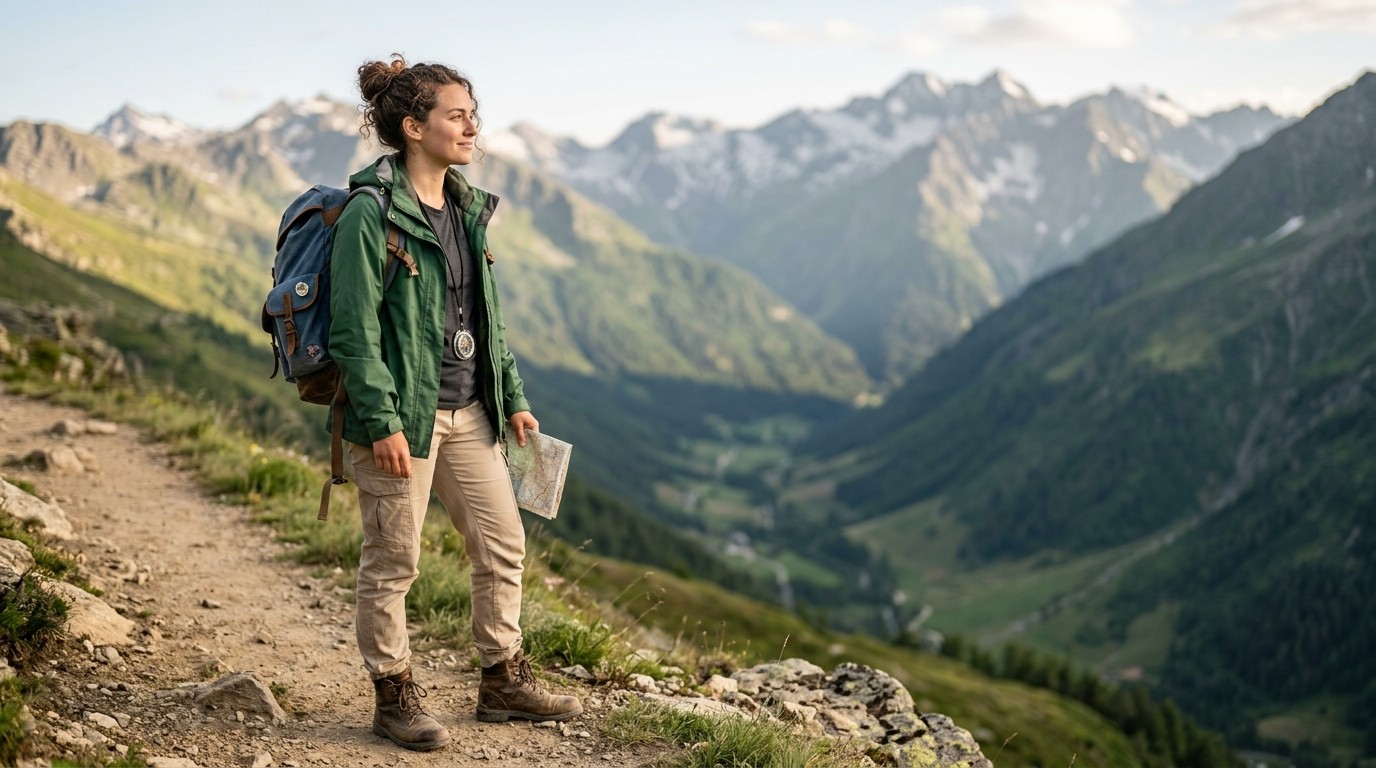
A beginner’s Solo Travel Guide is ultimately about mindset. The most useful mindset is not “I must be brave all the time.” It is “I can learn as I go.” That allows you to make mistakes without turning them into identity statements. A delayed train does not mean you are bad at travel. A confusing street does not mean you are not cut out for this.
When you approach the trip this way, you create room for growth. A Solo Travel Guide works because it gives structure to uncertainty. It teaches you that fear can coexist with adventure. You do not need to eliminate nerves to move forward. You only need enough structure to keep going.
Conclusion
Solo travel becomes much easier when you stop treating it like a dramatic test and start treating it like a set of learnable habits. A strong Solo Travel Guide helps beginners plan realistically, stay safer, pack lighter, and trust their own judgment without trying to become perfect overnight. The real reward is not only seeing a new destination but also learning how you respond when you are responsible for your own choices. That self-knowledge often outlasts the trip itself. Whether your first journey is a city break, a quiet retreat, or the beginning of larger adventures, a thoughtful Solo Travel Guide can turn uncertainty into confidence and hesitation into movement.
Frequently Asked Questions (FAQ)
1. Is solo travel safe for beginners?
Yes, when you choose a suitable destination, stay aware, and follow basic safety habits.
2. What is the biggest benefit of solo travel?
The biggest benefit is learning to trust yourself and make decisions independently.
3. How do I avoid loneliness on my first trip?
Plan some social moments, but also accept that alone time is normal and can be enjoyable.
4. How should I choose my first destination?
Pick somewhere with simple transport, good tourist support, and manageable safety conditions.
5. What should I pack first?
Pack essentials, documents, medications, versatile clothing, and items that solve real problems.
6. Do I need a detailed itinerary?
A flexible outline is usually better than a rigid schedule for beginners.
7. What if I get anxious during the trip?
Slow down, return to your plan, and focus on the next small step instead of the whole trip.
8. Can solo travel lead to bigger adventures later?
Yes. Many travelers begin with simple trips and later try treks or mountaineering routes.
9. Should I travel alone if I am shy?
Yes. Solo travel often helps shy travelers become more comfortable, because they can move at their own pace.
10. What makes a Solo Travel Guide helpful?
A useful guide turns fear into practical steps, which makes the whole experience feel possible.



Leave a Reply