

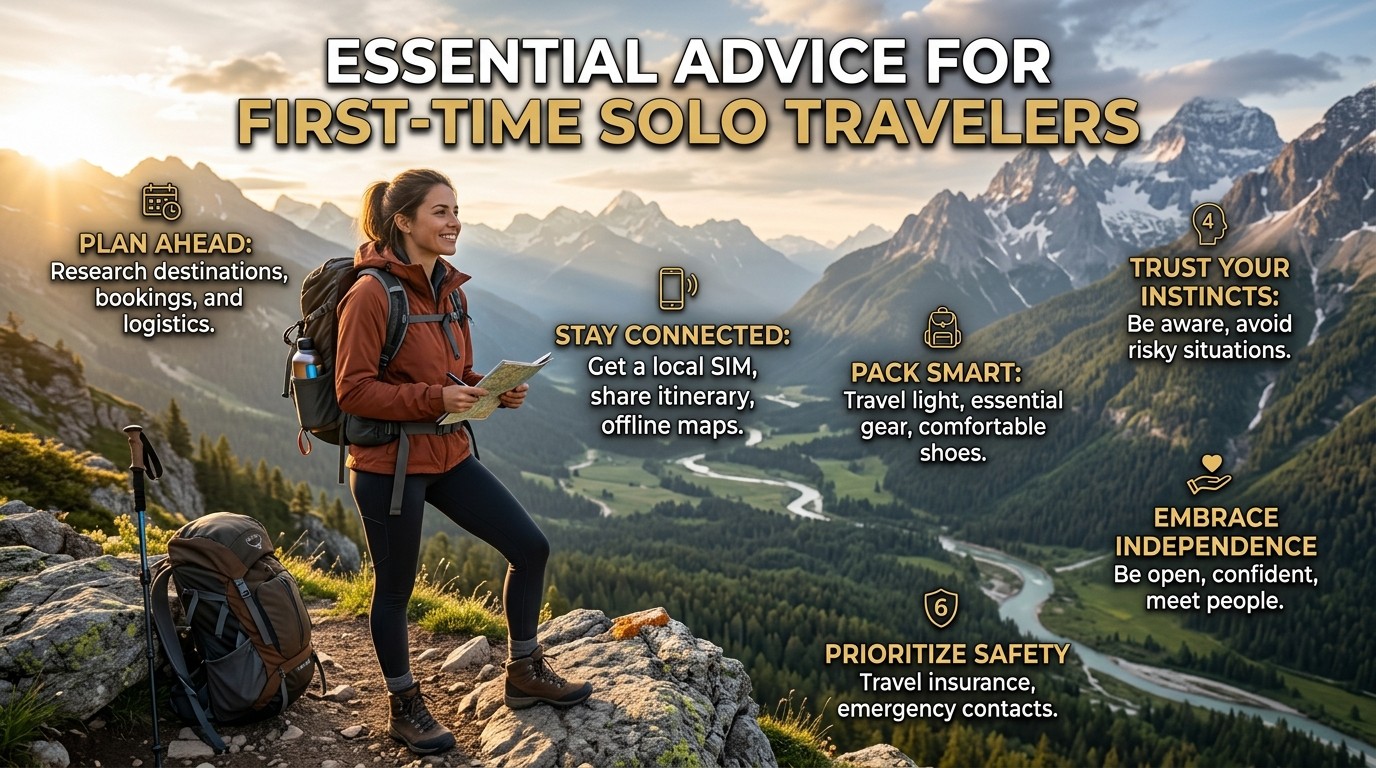
Advice for First Time Solo Travelers helps new explorers replace fear with clarity, turning uncertain plans into safer, richer, and more confident journeys from the very first trip.
Traveling alone for the first time can feel thrilling and intimidating at the same time. You may be excited by the freedom, curious about new places, and nervous about what could go wrong. That mix is normal. Advice for First Time Solo Travelers should not be built around fear alone, because fear creates hesitation, and hesitation can shrink the whole experience. The goal is to help you move with confidence, make thoughtful choices, and enjoy the kind of independence that changes how you see the world. When you prepare well, you are not making travel less spontaneous; you are making it more open, more flexible, and far less stressful. Advice for First Time Solo Travelers works best when it balances planning with curiosity, structure with freedom, and safety with adventure.
Why solo travel feels so powerful
One of the biggest shifts happens before the journey even begins. Many people imagine solo travel as a test of bravery, but it is really a lesson in self-trust. You choose the pace, the route, the meals, the rest stops, and the moments when you want company or silence. That freedom can be deeply restorative. It can also show you how capable you already are.
The Benefits of Solo Travel go far beyond seeing a new destination. You learn how to solve problems without waiting for someone else to take the lead. You become more aware of your preferences, your limits, and your instincts. You also discover that being alone is not the same as being lonely. In fact, some travelers come home with a stronger sense of self than they had in years.
Advice for First Time Solo Travelers often begins with this mindset shift: do not wait to feel fearless. Fear is not a sign that you should stop. It is a sign that you should prepare. Once preparation becomes routine, the fear usually gets quieter.
Advice for First Time Solo Travelers is most effective when you stay honest about your comfort zone.
Build your first trip around comfort, not pressure
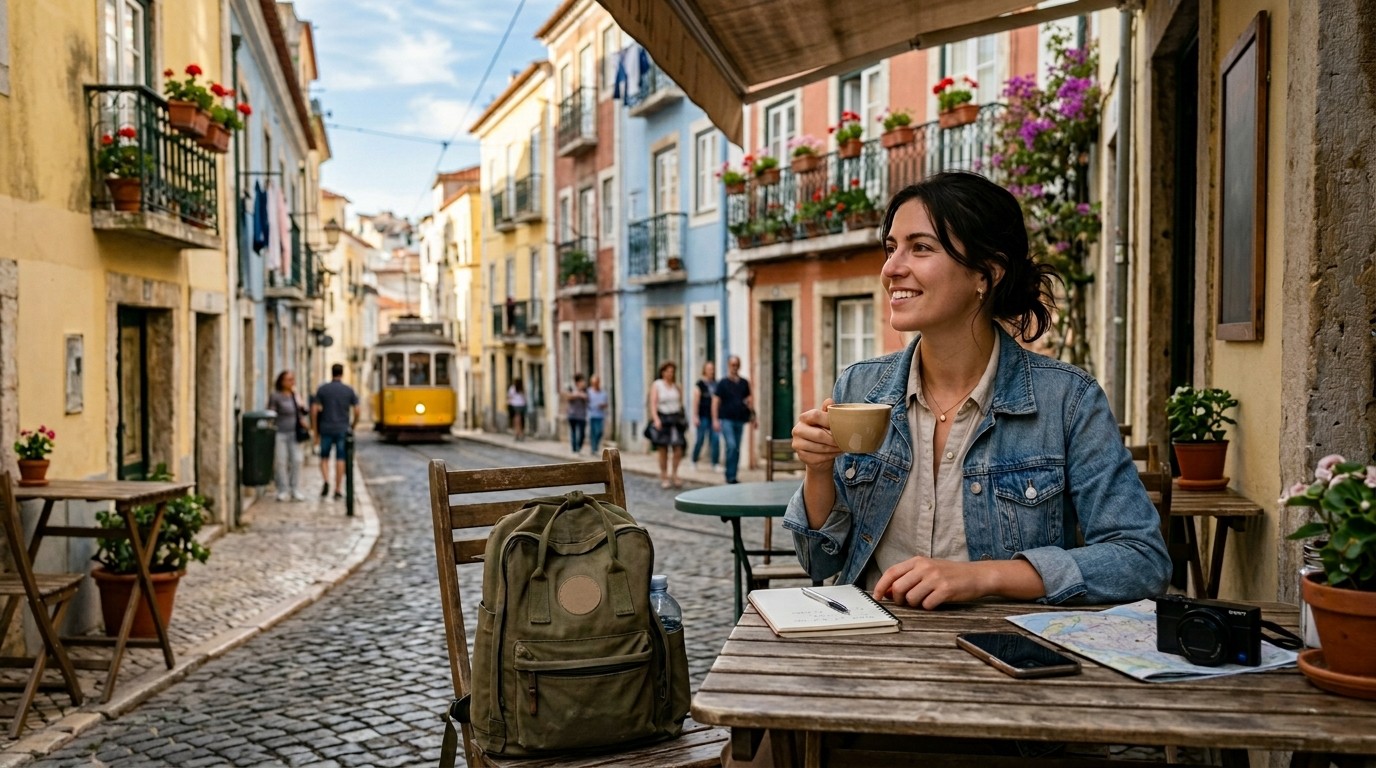
A smart first trip is not about proving how adventurous you are. It is about creating a trip that gives you room to learn. Start with a destination that feels manageable in language, transportation, and public safety. A place with reliable transit, walkable neighborhoods, and a steady flow of other travelers can make the experience smoother.
Advice for First Time Solo Travelers should prioritize a realistic pace. Avoid packing your schedule from sunrise to midnight. Instead, leave gaps for meals, rest, and unplanned discoveries. A lighter itinerary also gives you space to recover if you feel overwhelmed. That matters more than many beginners realize.
Choose accommodations that support your comfort level. A quiet private room, a well-reviewed hostel, or a small guesthouse can all work depending on your personality. What matters is not the style itself but whether you feel grounded when you return at night.
If you are unsure how active your trip should be, think of your first journey as a learning trip rather than a performance. You are building habits that will serve future adventures.
Advice for First Time Solo Travelers can also help you choose when to say yes and when to say no.
Plan safety in layers
Safety is not one decision. It is a series of small habits. Advice for First Time Solo Travelers works best when safety is layered into the trip from the start. Share your itinerary with someone you trust. Keep digital copies of your passport, insurance, tickets, and hotel details. Save emergency numbers in your phone and write them somewhere offline too.
A simple arrival plan makes a huge difference. Know how you will get from the airport or station to your lodging. If possible, avoid arriving late at night on your first solo trip. Daylight arrival reduces confusion and makes navigation easier. Once you check in, take a short walk to understand the neighborhood before you start exploring deeply.
Trust is important, but so is verification. Check reviews, double-check addresses, and use official booking channels whenever possible. Advice for First Time Solo Travelers also means paying attention to small cues: if a street feels empty and uncomfortable, leave; if a ride or deal feels too good to be true, step back and confirm the details.
Advice for First Time Solo Travelers becomes simpler when you treat small routines as part of the adventure.
Pack light, but pack smart
Overpacking creates physical stress and mental clutter. You do not need to bring everything. You need to bring the right things. For a first solo trip, create a packing system that separates essentials from extras. The essentials should include identification, payment methods, medications, chargers, weather-appropriate clothing, and one compact backup plan for each major need.
Advice for First Time Solo Travelers becomes easier when the bag is easy to manage. Choose shoes you can actually walk in. Bring a small day bag with only the items you need to access quickly. Keep one set of clothes and key documents in your carry-on in case your main bag is delayed.
A practical packing habit is to prepare for three situations: transit, arrival, and a small emergency. If your phone dies, can you still find your hotel? If it rains, do you have a layer? If you arrive hungry, do you have a snack? These tiny questions prevent big frustrations.
Advice for First Time Solo Travelers supports both careful planning and spontaneous discovery.
| Category | What to Bring | Why It Matters |
|---|---|---|
| Documents | Passport, ID, copies, insurance | Faster help if something is lost |
| Money | Card, local cash, backup card | Reduces payment problems |
| Health | Medicines, basic first-aid, sunscreen | Keeps minor issues from becoming major ones |
| Tech | Phone, charger, power bank, adapter | Helps with navigation and communication |
| Comfort | Reusable bottle, earplugs, scarf, socks | Makes long travel days easier |
Learn to move through uncertainty calmly
The first time something goes wrong, it can feel bigger than it is. A delayed bus, a confusing street, or a missed turn may trigger panic if you are not expecting imperfection. Advice for First Time Solo Travelers should prepare you for this reality: something almost always goes differently than planned. That does not mean the trip is failing. It means the trip is happening.
The best response is usually simple. Pause, breathe, and look at the next step rather than the whole problem. Ask yourself what is actually urgent. Often, the answer is not “everything.” It is just one action: confirm the address, recharge your phone, ask a local worker, or take a safer route.
Build a habit of using calm, clear language with yourself. Instead of saying “I ruined the day,” say “I need a new plan for the next hour.” This small shift helps you stay practical. Advice for First Time Solo Travelers becomes much easier to follow when you see challenges as adjustments instead of disasters.
Advice for First Time Solo Travelers gives you a practical way to stay open without feeling exposed.
Use technology wisely
Technology can make a solo trip safer and smoother, but only when it is used intentionally. Download offline maps before departure. Save important screenshots. Turn on location sharing for a trusted contact if that feels useful. Keep your phone charged and consider carrying a power bank for long days out.
Advice for First Time Solo Travelers should also include digital caution. Avoid connecting to public Wi-Fi for sensitive tasks unless you are using secure methods. Be careful about oversharing your live location on social platforms. A little privacy can add a lot of peace of mind.
Navigation apps are useful, but do not let them make you feel helpless without a screen. Learn basic landmarks, ask for directions when needed, and note major streets or transit lines. That way, if the app fails, you still know where you are.
Advice for First Time Solo Travelers often prevents avoidable stress before it even starts.
Eat, rest, and pace yourself
A first solo journey is easier when your body feels supported. Many new travelers get so focused on sightseeing that they skip meals, drink too little water, or push through fatigue. That is a fast path to frustration. Advice for First Time Solo Travelers should include a gentle reminder: low energy often looks like emotional stress.
Eat regularly, even if the meal is simple. Rest when your body asks for it. Take breaks in parks, cafes, museums, or quiet corners of the city. These pauses are not wasted time. They help you stay alert and more open to the trip around you.
A good habit is to schedule at least one slow hour every day. No big agenda, no achievement goal, just a meal or walk or conversation. That rhythm gives the day shape without turning it into a race.
Advice for First Time Solo Travelers should remind you that confidence is built, not borrowed.
Confidence grows through small wins
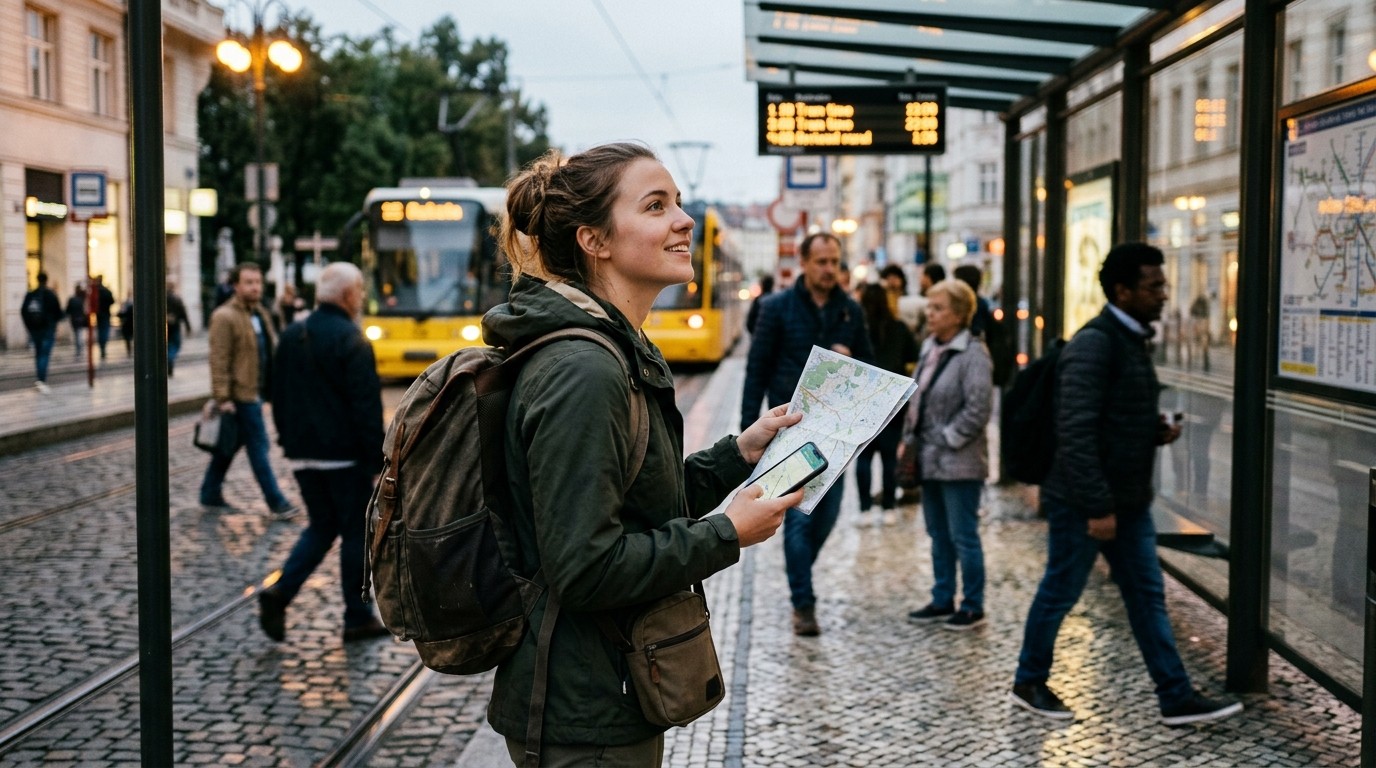
Nobody begins as an expert traveler. Confidence is built one successful moment at a time. The first time you check into a hotel alone, order food in a new language, figure out a route, or choose a detour that turns out well, your confidence expands. Advice for First Time Solo Travelers is really about creating enough chances for those wins to happen.
Start with small decisions and let them add up. Maybe you take a local bus instead of a taxi. Maybe you eat at a place where you have to point at the menu. Maybe you spend an afternoon wandering without a strict destination. Each experience teaches you something.
The more you prove to yourself that you can handle ordinary travel tasks, the less intimidating the bigger moments become. Over time, the trip stops feeling like a challenge and starts feeling like your normal way of moving through the world.
Advice for First Time Solo Travelers becomes more useful every time you reflect on what worked.
Choose experiences that match your personality
Not every solo traveler wants the same kind of journey. Some people recharge in quiet cities, while others prefer trekking, beaches, food tours, or creative neighborhoods. Advice for First Time Solo Travelers should never force a single style. Your trip should fit you, not a trend.
If culture matters to you, look for local workshops, markets, galleries, music events, or neighborhood walks. If nature matters more, plan gentle hikes or scenic day trips. If you enjoy structured activities, group tours can give you easy social contact without removing your independence.
A trip can also be shaped by a broader theme. For some travelers, an itinerary inspired by the Solo Travel Creative Culture Tribe Guide can help them connect creativity, identity, and community through food, art, and local storytelling. The key is to pick experiences that make you feel engaged rather than overwhelmed.
Advice for First Time Solo Travelers can turn uncertainty into a steady sense of control.
Make social interaction optional, not forced
Solo travel does not mean you must be alone every minute. It means you get to choose how much connection you want. Advice for First Time Solo Travelers should help you feel comfortable saying yes to conversation and comfortable saying no to it.
You may enjoy chatting with a café owner, joining a walking tour, or meeting other travelers in a common space. Or you may prefer to keep your day private and quiet. Both choices are valid. The point is not to perform extroversion. The point is to remain open without abandoning your comfort.
A useful rule is to keep conversation light until trust is established. Share general details before personal ones. Stay aware of your surroundings. If an interaction feels pleasant, it can continue. If it becomes draining or intrusive, it is perfectly fine to leave.
Advice for First Time Solo Travelers helps you protect your energy as well as your itinerary.
Pick the right first destination
Choosing where to go can be harder than planning the actual trip. A first destination should give you enough stimulation to feel exciting, but not so much complexity that every task becomes exhausting. Advice for First Time Solo Travelers often starts with cities or regions that have clear transport, strong tourism infrastructure, and a steady flow of people.
Ask yourself whether the place is easy to read. Can you find your way around without constant stress? Are there enough signs, maps, or reliable transport options? Can you recover easily if something changes? These questions are more useful than chasing the most dramatic destination.
For some travelers, a softer nature trip may be best. For others, a city break provides the right amount of challenge. Even a place associated with adventure, such as an Amazon Rainforest Tour, can be suitable only if it is well organized, guided, and matched to your comfort level. The first trip should stretch you, not swamp you.
Advice for First Time Solo Travelers is not about perfection; it is about adaptability.
Use money habits that reduce stress
Money stress can drain the joy out of a trip. Advice for First Time Solo Travelers should include a simple financial system. Know your daily budget. Carry a mix of payment options. Keep a reserve amount for emergencies and do not treat that reserve as regular spending.
Divide your costs into categories: transport, food, accommodation, activities, and backups. That makes it easier to see where your money is going and where you can slow down. It also helps you make quick decisions if a day goes over budget.
Before you leave, check common fees for your destination: ATM charges, card foreign transaction fees, local taxi norms, and typical meal prices. When you understand the money landscape, you worry less and choose more confidently.
Advice for First Time Solo Travelers gives you a clearer mindset when small setbacks appear, because you already know how to pause, reset, and move forward quickly again.
Understand your own energy and boundaries
Every traveler has a different threshold for noise, motion, socializing, and uncertainty. Advice for First Time Solo Travelers should help you learn those limits instead of pretending they do not exist. Notice when you feel sharp and when you feel depleted. The better you know your own energy, the better you can design your days.
You may discover that you prefer mornings over nights, structured activities over free wandering, or two intense days followed by a slow one. That is useful information, not a limitation. Respecting your boundaries makes travel sustainable.
Boundaries also matter in conversations, transportation, and nightlife. You are allowed to decline invitations, leave early, or change plans without apologizing endlessly. The more you respect your own limits, the more trustworthy your instincts become.
Advice for First Time Solo Travelers is especially valuable when your plans change at the last minute.
Turn the trip into a learning experience
The most valuable solo trips are often the ones that teach you something about how you live. Advice for First Time Solo Travelers should not only help you get from one place to another. It should help you reflect on what the journey reveals.
Maybe you learn that you enjoy solitude more than expected. Maybe you realize you love planning in detail. Maybe you notice that you are braver than you thought, or that you need more rest than you usually allow yourself. These insights matter because they carry into daily life.
Keep small notes during the trip. Write what worked, what drained you, what surprised you, and what you would repeat. Those notes become your private guide for future journeys. They also make each next trip easier than the last.
Advice for First Time Solo Travelers can transform a nervous arrival into a calm first impression.
A simple first-trip framework
If you want a practical structure, use this framework:
- Choose a manageable destination.
- Book safe and simple lodging.
- Plan arrival and departure carefully.
- Pack light and organize essentials.
- Build one or two “anchor” activities per day.
- Leave room for rest and flexibility.
- Share your plan with someone you trust.
- Reflect at the end of each day.
Advice for First Time Solo Travelers becomes much less intimidating when it is broken into steps like these. The trip no longer feels like one giant decision. It becomes a series of manageable choices.
Advice for First Time Solo Travelers also helps you notice how much freedom you actually enjoy.
What not to do on your first solo trip
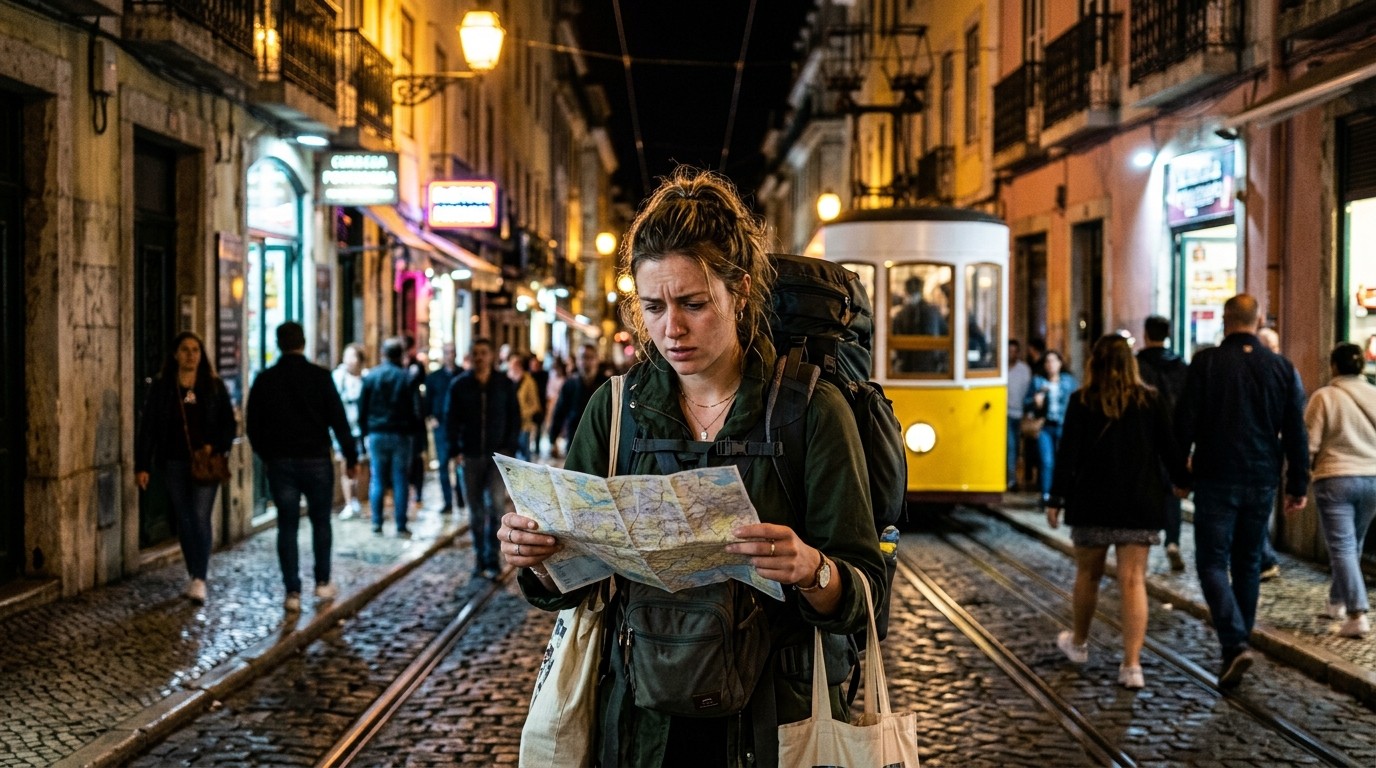
A first journey is not the time to overcomplicate everything. Do not book too many long transfers. Do not fill every hour. Do not carry expensive items you cannot comfortably protect. Do not ignore your intuition just to seem adventurous. And do not assume that being alone means you must handle everything silently.
Advice for First Time Solo Travelers also means understanding that mistakes are part of the process. You might lose time, choose the wrong meal, or miss a train. That is normal. The important part is how you respond. A calm correction is often all you need.
Advice for First Time Solo Travelers should feel practical, supportive, and easy to revisit before every trip.
When confidence finally clicks
There is usually a moment on the road when everything feels less heavy. Maybe you are sitting in a café after successfully finding your way across town. Maybe you are watching a sunset by yourself and realizing that the silence feels peaceful instead of awkward. Maybe you have just solved a small problem and feel unexpectedly proud.
That moment matters because it changes how you see yourself. Advice for First Time Solo Travelers is ultimately about reaching that point where travel feels less like a risky experiment and more like a skill you own. Once that happens, the world opens differently.
Advice for First Time Solo Travelers can make even a simple weekend trip feel meaningful.
Preparing for the next journey
Your first solo trip is the beginning, not the finish line. After you return, review what helped you feel calm, what made you nervous, and what you would do differently next time. Maybe you will want a bigger city, a quieter destination, or more nature. Maybe a future Patagonia Hiking Guide will be more your style once you know your rhythm better.
Use every lesson to shape the next plan. Good travel habits are built through repetition, not perfection. With each trip, you become more adaptable, more observant, and more confident in your own judgment.
Advice for First Time Solo Travelers stays useful long after the first suitcase is unpacked because it teaches a way of thinking, not just a way of packing.
Conclusion
Advice for First Time Solo Travelers works best when it blends practical planning with emotional steadiness. Your first solo journey does not need to be extreme, expensive, or perfectly executed. It needs to be thoughtful, manageable, and honest about your comfort level. When you choose a destination that fits your energy, prepare for common risks, and leave space for rest, you create the conditions for a rewarding experience. The real payoff is not just seeing a new place. It is realizing that you can move through the world with your own judgment, calm, and curiosity.
Advice for First Time Solo Travelers becomes stronger when you rehearse arrival steps, local transport details, and one backup option for every part of the day before departure.
Frequently Asked Questions (FAQ)
1. Is solo travel safe for beginners?
Yes, it can be. Advice for First Time Solo Travelers usually starts with choosing a straightforward destination, planning arrivals carefully, and keeping trusted people informed. Safety improves when you combine common sense, preparation, and calm decision-making.
2. What is the best first solo travel destination?
The best choice is usually a place that is easy to navigate, has reliable transport, and feels manageable for your comfort level. Advice for First Time Solo Travelers is less about one perfect country and more about matching the trip to your energy.
3. How do I avoid feeling lonely?
Build a mix of solo time and optional social moments. Join one group activity, visit busy public spaces, or have a meal where you feel comfortable. Advice for First Time Solo Travelers often works best when connection is available but never forced.
4. Should I book everything in advance?
Not necessarily everything, but the basics should be set. First-time travelers usually benefit from booking accommodation, arrival transport, and the main travel segments ahead of time. Advice for First Time Solo Travelers becomes easier when the first and last parts of the trip feel secure.
5. How much should I pack?
Less than you think. Pack what you need for health, weather, documents, and comfort, then leave the rest. Advice for First Time Solo Travelers becomes smoother with a lighter bag because mobility and flexibility matter a lot on a first trip.
6. What if I get lost?
Stop, breathe, and use the next simplest step. Check maps, ask a trusted local, or return to a familiar landmark. Advice for First Time Solo Travelers includes accepting that confusion is temporary and solvable.
7. Is it okay to join tours when traveling alone?
Absolutely. Tours can be a great way to meet people and reduce planning stress. Advice for First Time Solo Travelers often recommends tours because they offer structure, safety, and easy social contact without taking away your independence.
8. How do I manage money on a solo trip?
Set a daily budget, keep a backup card, and separate emergency money from regular spending. Advice for First Time Solo Travelers becomes more relaxed when money decisions are simple and visible instead of vague.
9. Can solo travel help me grow as a person?
Yes. It often builds independence, confidence, and self-awareness. Advice for First Time Solo Travelers is not just about travel logistics; it is also about learning how you respond when you are in charge of your own day.
10. What should I do after my first solo trip?
Reflect on what worked, what felt hard, and what you want to change next time. Advice for First Time Solo Travelers becomes even more useful when you treat the first trip as a lesson that prepares you for better future journeys.



Leave a Reply