

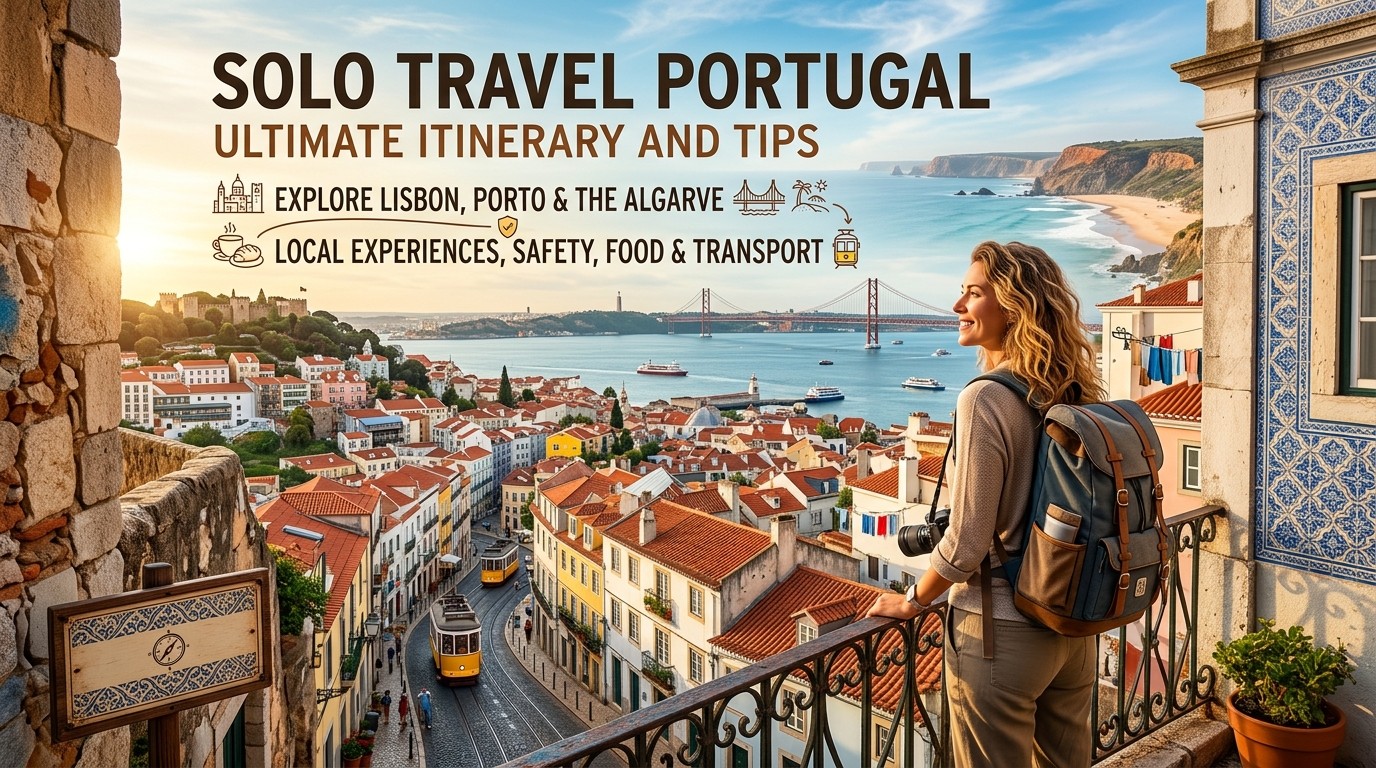
Solo Travel Portugal blends easy transport, welcoming cities, scenic coastlines, and flexible planning, making it a rewarding choice for independent travelers who want freedom without unnecessary stress.
Traveling alone can be exciting, and Solo Travel Portugal is one of the easiest ways to turn that excitement into a confident first trip. The country is compact, well connected, culturally rich, and comfortable for travelers who want independence without constant logistics. You can move from historic districts to river views, from food markets to ocean cliffs, and from busy cities to quieter towns with very little friction. That is why Solo Travel Portugal works so well for people who want a trip that feels both relaxed and full.
A great solo journey should give you control, comfort, and enough variety to stay inspired. Solo Travel Portugal does exactly that. The cities are walkable, public transport is useful, English is widely understood in tourist areas, and the atmosphere is calm enough that you can travel at your own pace. Instead of constantly solving problems, you spend more time noticing details, enjoying meals, and following your curiosity.
For many travelers, the best part of Solo Travel Portugal is the balance between structure and freedom. You can book a few anchors, like Lisbon and Porto, and leave the rest open. You can stay in one place longer if it suits your mood or move on quickly if you are ready for something different. That flexibility makes the trip feel personal rather than packaged.
Why Portugal Works So Well for Solo Travelers
Solo Travel Portugal is appealing because it lowers the usual friction that solo travelers worry about. Airports, trains, buses, and city transport are manageable. Tourist districts are active enough to feel lively, but not so chaotic that you feel overwhelmed. It is a destination where being alone in public feels normal, not unusual.
Another reason Solo Travel Portugal stands out is its pace. Portuguese cities invite you to slow down, sit outside, and enjoy ordinary moments. That matters when you are traveling on your own, because a solo itinerary becomes more enjoyable when the destination does not demand constant rushing. You can pause for coffee, look over a viewpoint, or linger at lunch without feeling behind.
Safety is also part of the appeal. No destination is perfect, but Solo Travel Portugal is often seen as comfortable for independent visitors, especially in major tourist corridors. Most practical concerns are the same ones you would have anywhere: stay aware in crowded places, protect your valuables, and avoid unnecessary risk late at night. With those habits in place, the trip feels approachable.
Building the Right Mindset Before You Go
The best Solo Travel Portugal trips begin with a simple mindset: plan for ease first, and excitement second. Many solo travelers overload the schedule, then end up tired and disconnected. A smarter approach is to build a trip around one major activity, one scenic walk, one good meal, and one block of open time each day. That rhythm creates space for discovery.
It also helps to decide how much spontaneity you want. Some travelers enjoy detailed planning. Others prefer to book only the essentials and improvise the rest. Solo Travel Portugal supports both styles, but the experience improves when you know your own preference before you arrive. When your style matches your plan, the trip feels lighter.
Budget clarity matters too. Solo Travel Portugal can be affordable, mid-range, or more comfortable depending on where you stay and how you eat. Lisbon and Porto are usually pricier in central areas, while smaller towns and inland destinations may offer better value. The key is not to chase the cheapest option at every turn, but to spend in ways that improve your comfort and reduce stress.
Best Time for Solo Travel Portugal
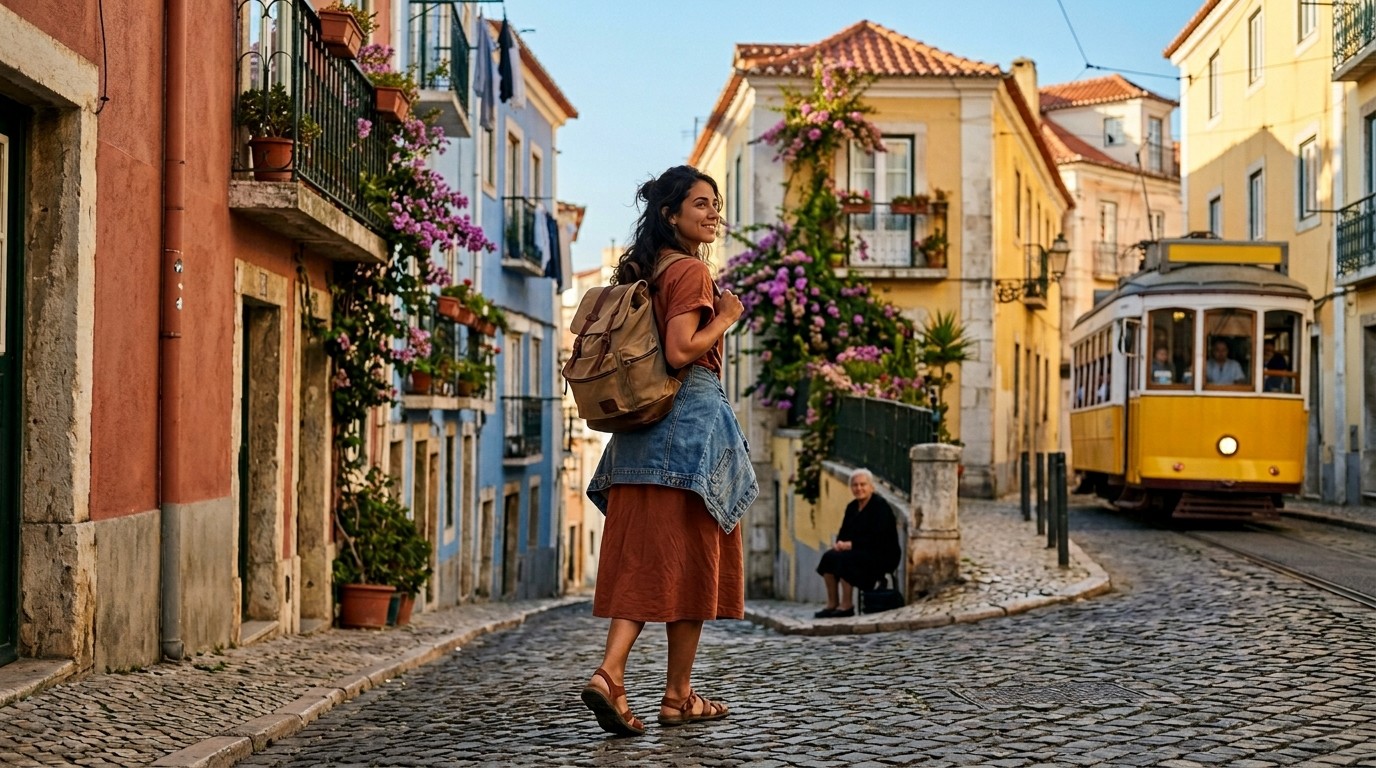
The best season for Solo Travel Portugal depends on your priorities. Spring brings mild temperatures and lighter crowds. Autumn offers a similar balance with a slightly softer pace. Summer has long days and a lively energy, but it can also mean more heat and more tourists. Winter is quieter and often cheaper, which suits travelers who want city breaks and a calmer mood.
If your trip is mostly about walking, cafes, museums, and viewpoints, shoulder season is often ideal. Solo Travel Portugal feels especially pleasant when the weather is comfortable enough for long outdoor days without exhausting you. That means you can explore more and spend less time trying to escape the heat.
The emotional tone of the trip changes with the season too. In warmer months, the country feels open, bright, and social. In cooler months, it feels calmer and more reflective. Solo Travel Portugal adapts to either mood, which is part of its appeal.
Where to Go : The Core Route
A smart solo route usually begins with Lisbon. The capital gives you layered neighborhoods, river views, tiled streets, good food, and enough activity to fill several days without feeling repetitive. It is also a practical launch point for day trips, which means you can ease into the country without complicated transfers.
Porto is the next essential stop. It is smaller, easier to navigate, and often feels more intimate than Lisbon. The riverfront, bridges, wine cellars, and steep streets create a city that rewards wandering. For many people, Solo Travel Portugal becomes even more memorable once Porto is included because the atmosphere shifts in a way that feels distinctly different.
The Algarve adds a coast-focused contrast. It is ideal if you want beaches, cliffs, and slower days near the sea. You can make it active or restful depending on your energy. A well-rounded Solo Travel Portugal itinerary often feels complete once it includes at least one city, one river region, and one coastal stop.
Smaller destinations also matter. Coimbra, Aveiro, Évora, Braga, and the Douro Valley can give the trip more depth and help you avoid the feeling that every day looks the same. Solo Travel Portugal becomes more rewarding when you add one or two places that change the pace.
A 10-Day Itinerary for First-Time Solo Travelers
Days 1–3: Lisbon
Start with two or three nights in Lisbon. On the first day, keep things light. Arrive, settle in, get your bearings, and take a neighborhood walk. Find the nearest transport stop, note a few food options, and avoid trying to “do everything” right away. Solo Travel Portugal feels smoother when the arrival day is treated as a transition, not a performance.
On the second day, focus on the city center and old neighborhoods. Walk through Alfama, Baixa, and Chiado, then take time at a viewpoint or by the river. The point is not to race through a checklist. The point is to feel the city’s rhythm. Solo Travel Portugal becomes more satisfying when you give each place enough attention to actually remember it.
On the third day, choose one main experience. A museum, a food tour, a cooking class, a river outing, or a day trip can all work well. Solo Travel Portugal benefits from one deliberate anchor each day, because that structure keeps the trip from becoming tiring.
Day 4: Sintra or Cascais
Use one day for a side trip. Sintra offers palaces, hills, and dramatic scenery. Cascais offers a more relaxed coastal change of pace. Both are easy additions, but they create different moods. Solo Travel Portugal becomes richer when you include contrast instead of more of the same.
Days 5–7: Porto
Travel north and spend a few nights in Porto. Your first day there should be slow enough to adjust to the hills and the new layout. Walk the riverfront, cross a bridge, and explore a couple of neighborhoods rather than trying to see everything. Solo Travel Portugal is more enjoyable when your energy stays steady.
On the second Porto day, focus on churches, markets, tiled facades, and a wine experience if that interests you. The city is compact enough that you can see a lot without feeling rushed. On the third day, consider a Douro Valley excursion or a tasting tour. Solo Travel Portugal gains depth when you let the landscape shift from urban to rural.
Days 8–10: Algarve or Return to Lisbon
If you want a final stretch of sun and rest, head to the Algarve. Choose a base that matches your style: lively, practical, or quiet. Spend your last days walking cliffs, visiting beaches, and slowing down. Solo Travel Portugal ends beautifully when the final days feel restorative.
If you prefer a simpler ending, return to Lisbon and use the last days for shopping, museums, or revisiting favorite streets. Solo Travel Portugal does not need a dramatic finish to feel complete. Sometimes the best ending is the easiest one.
Practical Transport Tips
Transport is one of the reasons Solo Travel Portugal feels manageable. Between trains, buses, city transit, and the occasional taxi or ride service, you can move around without needing a car for most routes. Trains are especially useful between major cities because they are straightforward and remove the stress of driving.
Walking is also a big part of the experience. Lisbon and Porto both reward foot travel, although the hills can be demanding. Plan for that by wearing good shoes and not overpacking your day. Solo Travel Portugal works best when transit supports your trip instead of becoming the trip.
For the Algarve or more rural areas, check routes in advance. Some places are easy to reach, while others become simpler with a car or a private transfer. Solo Travel Portugal is easiest when you know which parts of the country can be handled by public transport and which parts may need more planning.
Accommodation Choices That Help You Feel Comfortable
Where you stay matters more when you are alone. Your accommodation is not just a bed; it is your base of comfort. Solo Travel Portugal becomes much easier when you choose a place that is central, safe, and simple to return to after a full day out.
In Lisbon and Porto, staying near a walkable center or a convenient transit hub is usually the best choice. In smaller towns, the main square or historic core is often ideal. Solo Travel Portugal is less stressful when your evening return does not involve a complicated journey.
Hostels, guesthouses, and boutique hotels can all work well. A private room in a social hostel can be a great middle ground for travelers who want both privacy and occasional connection. Solo Travel Portugal supports many different styles, so the goal is to choose the one that helps you rest and move with confidence.
Eating Well on Your Own
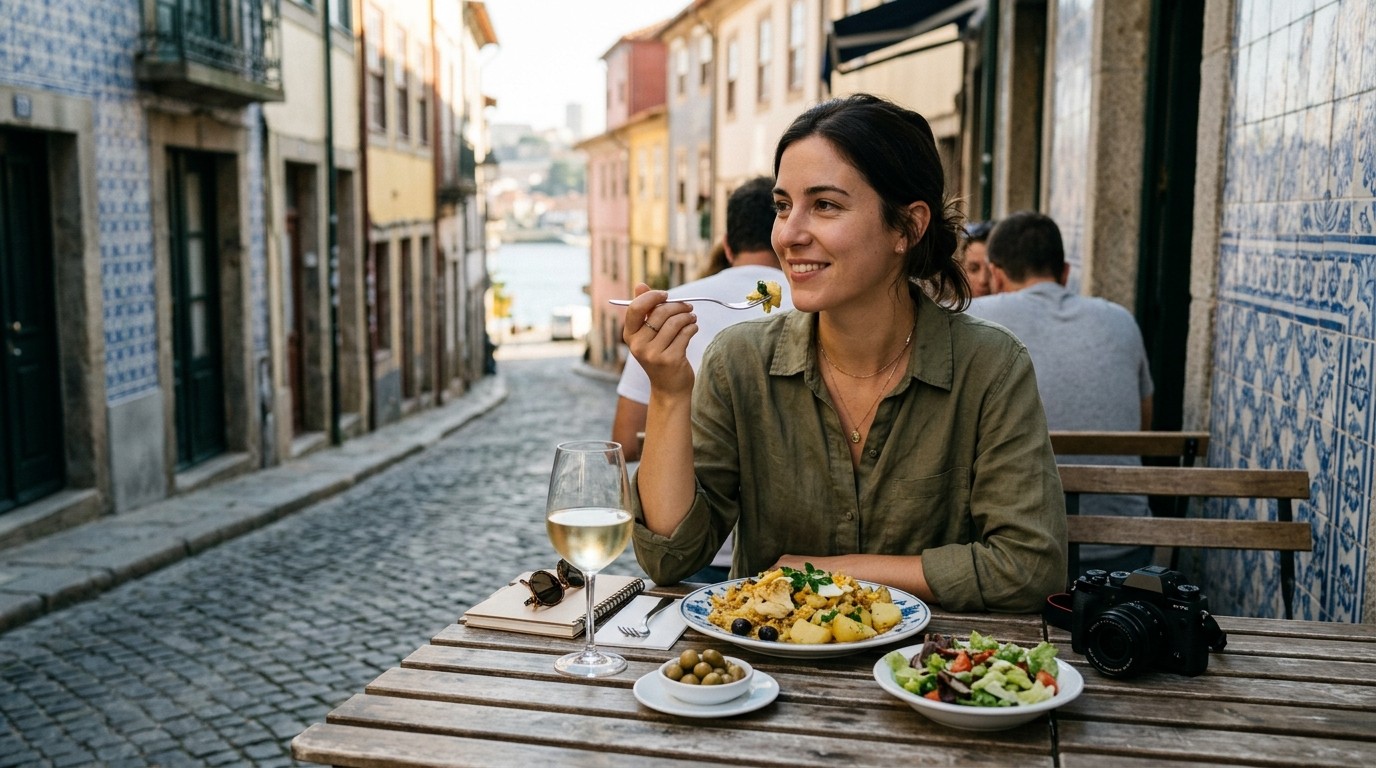
Dining alone can be one of the pleasures of Solo Travel Portugal if you approach it with curiosity. A solo meal is a chance to slow down, observe local life, and enjoy food without distraction. You do not need company to make the meal meaningful.
Look for regional dishes rather than only tourist staples. Seafood, pastries, grilled items, soups, and seasonal meals all give you a better sense of the country. Solo Travel Portugal often becomes more memorable through these simple food moments than through the most famous attractions.
If you feel unsure at first, begin with lunch. Lunch settings are usually easier and more relaxed, which makes them a good place to build confidence. Solo Travel Portugal becomes more enjoyable once eating alone feels normal rather than awkward.
Staying Safe and Confident
Solo Travel Portugal is generally comfortable, but confidence still comes from habits. Keep copies of your documents, use a secure bag in crowded areas, and stay aware around busy transport hubs. These basics are simple, but they matter.
At night, choose well-lit routes and avoid unnecessary detours in unfamiliar places. The goal is not fear; the goal is good judgment. Solo Travel Portugal becomes more relaxed when you remove preventable uncertainty from the end of the day.
It is also wise to share your general plans with someone you trust. A basic message about your route and accommodation is enough. Solo Travel Portugal should feel free, not exposed, and a little communication helps you keep that balance.
Smart Budget Strategy
A solo trip becomes easier when the budget is clear. Solo Travel Portugal can be economical or more polished depending on your choices, but the main areas to watch are transport, accommodation, and dining. A few intentional decisions will go a long way.
Try separating essential costs from optional extras. Your room, intercity travel, and one or two special experiences can be planned in advance. Smaller purchases can stay flexible. Solo Travel Portugal feels better when your money supports comfort instead of causing tension.
To keep spending under control, choose a few places where you spend a little more and many places where you spend a little less. That creates balance. Solo Travel Portugal is not about being cheap; it is about being thoughtful.
What to Pack
Pack for comfort and movement. Good walking shoes are essential because many streets are uneven or steep. Layers are helpful, especially during spring and autumn. Solo Travel Portugal is much more enjoyable when your clothes support changing weather and long walking days.
A power bank, a small day bag, and a few organizing basics also help a lot. Solo Travel Portugal works best when your belongings are simple enough to carry without stress. Less clutter means smoother transitions.
Try to avoid overpacking formal clothing unless your itinerary really calls for it. Versatile outfits are usually enough. Solo Travel Portugal should feel light, and your packing list should help create that feeling.
How to Make the Trip More Social Without Losing Independence
Traveling alone does not mean being isolated. One of the strengths of Solo Travel Portugal is that it gives you enough structure to meet people when you want to, without forcing you to socialize all the time. Walking tours, food classes, tastings, and shared excursions are easy ways to add brief connection.
At the same time, solitude is part of the point. Solo Travel Portugal should reflect your personality, not replace it. Some travelers want conversation every day. Others want long stretches of quiet. Both approaches are valid.
A good middle path is to schedule one or two social activities into an otherwise independent trip. That gives you variety without pressure. Solo Travel Portugal becomes more rounded when you mix freedom with occasional shared moments.
When to Choose a Tour Instead of Doing Everything Alone
There are moments when a guided activity is simply more efficient. Wine regions, remote viewpoints, and certain coastal excursions can be easier with structured transport. Solo Travel Portugal does not require you to do everything by yourself in order to feel authentic.
A Small Group Tours experience can also help when the logistics are annoying or time-consuming. That is where convenience becomes valuable. Solo Travel Portugal is strongest when you save your energy for the parts of the trip that matter most to you.
Using a guided outing does not reduce the value of the trip. It often increases it by freeing up time and focus. Solo Travel Portugal becomes easier to enjoy when you choose independence strategically instead of rigidly.
Useful Planning Habits That Improve the Whole Journey
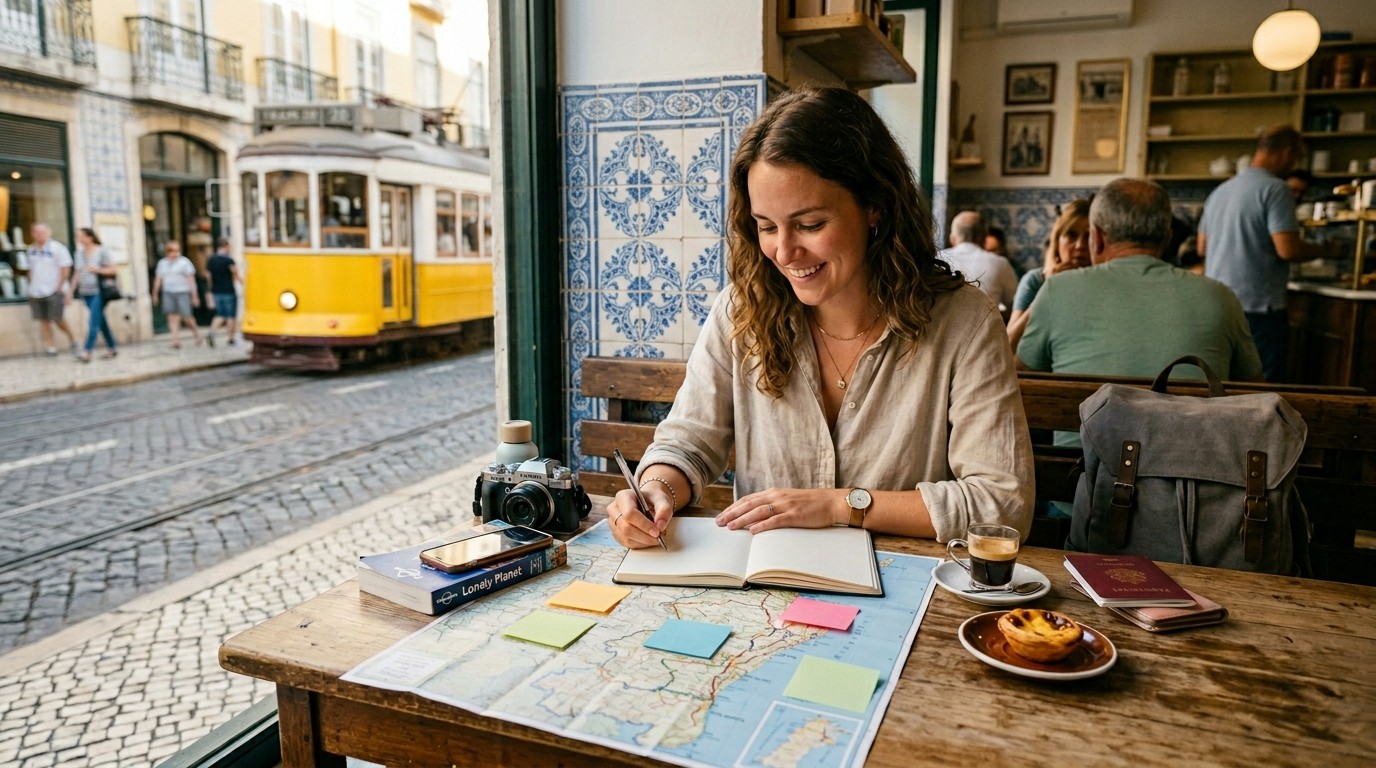
A few small habits make the whole trip smoother. Book the first night before you land, save addresses offline, keep your route details handy, and know how you will reach your accommodation. Those small steps remove a lot of stress.
It also helps to reduce uncertainty at the end of the day. Know where you are sleeping, how you are getting there, and whether you need dinner reservations. Solo Travel Portugal feels calmer when the evening is predictable, even if the daytime is loose.
Leave room for at least one unplanned block in each city. That open time often becomes the highlight. Solo Travel Portugal works beautifully when you let the country surprise you a little.
Comparing Portugal With Other Solo-Friendly Destinations
Some travelers compare Portugal with other easy European destinations. That makes sense because the country offers a similar sense of accessibility, but with its own warmer atmosphere. Solo Travel Portugal often appeals to people who want a destination that is manageable without feeling generic.
Travelers who enjoyed Iceland Solo Travel often appreciate Portugal for the opposite reasons: warmer weather, busier streets, and a broader food-and-city experience. The comparison helps show that solo travel does not have to look the same in every country.
People who have already done Solo Travel Spain sometimes find Portugal a little more compact and relaxed. The two destinations complement each other well. Solo Travel Portugal can feel like the next step for travelers who want something familiar but not repetitive.
Conclusion
A strong solo trip is not just about places; it is about how easy it feels to move, rest, and enjoy the day. Portugal makes that combination remarkably simple. You can build an itinerary that includes culture, scenery, food, and relaxed wandering without needing to overcomplicate the details. That is what makes the experience memorable. When you choose a season that suits you, keep your plan balanced, pack lightly, and allow time for spontaneous moments, the trip becomes both practical and personal. The best journeys often feel calm rather than crowded, and Solo Travel Portugal is one of the clearest examples of that idea in action.
Frequently Asked Questions (FAQ)
1. Is Portugal good for first-time solo travelers?
Yes. The country is easy to navigate, comfortable for independent movement, and full of places that suit different travel styles.
2. How many days should I spend in Portugal alone?
Seven to ten days is a strong starting point, though a shorter city-focused trip can still be rewarding.
3. Is Lisbon or Porto better for a solo trip?
Lisbon offers more variety and energy, while Porto feels smaller and more intimate. Many travelers enjoy both.
4. Do I need to rent a car?
Not always. Trains, buses, walking, and city transit cover a lot of the country well.
5. What is the best season for a solo visit?
Spring and autumn are often the most comfortable because temperatures are milder and crowds are usually lighter.
6. Is Portugal expensive for one traveler?
It can be as affordable or as comfortable as you make it. Location and dining choices have the biggest effect on cost.
7. How can I meet people while traveling alone?
Try walking tours, classes, tastings, and day trips. These create easy social moments without taking away independence.
8. What should I pack for the trip?
Comfortable shoes, layers, a secure bag, and a power bank are especially useful.
9. Is the Algarve worth including?
Yes, especially if you want beaches, cliffs, and slower days near the coast.
10. How do I avoid feeling lonely?
Mix a few social activities into the itinerary, stay in central areas, and build in enough variety to keep the trip engaging.



Leave a Reply