

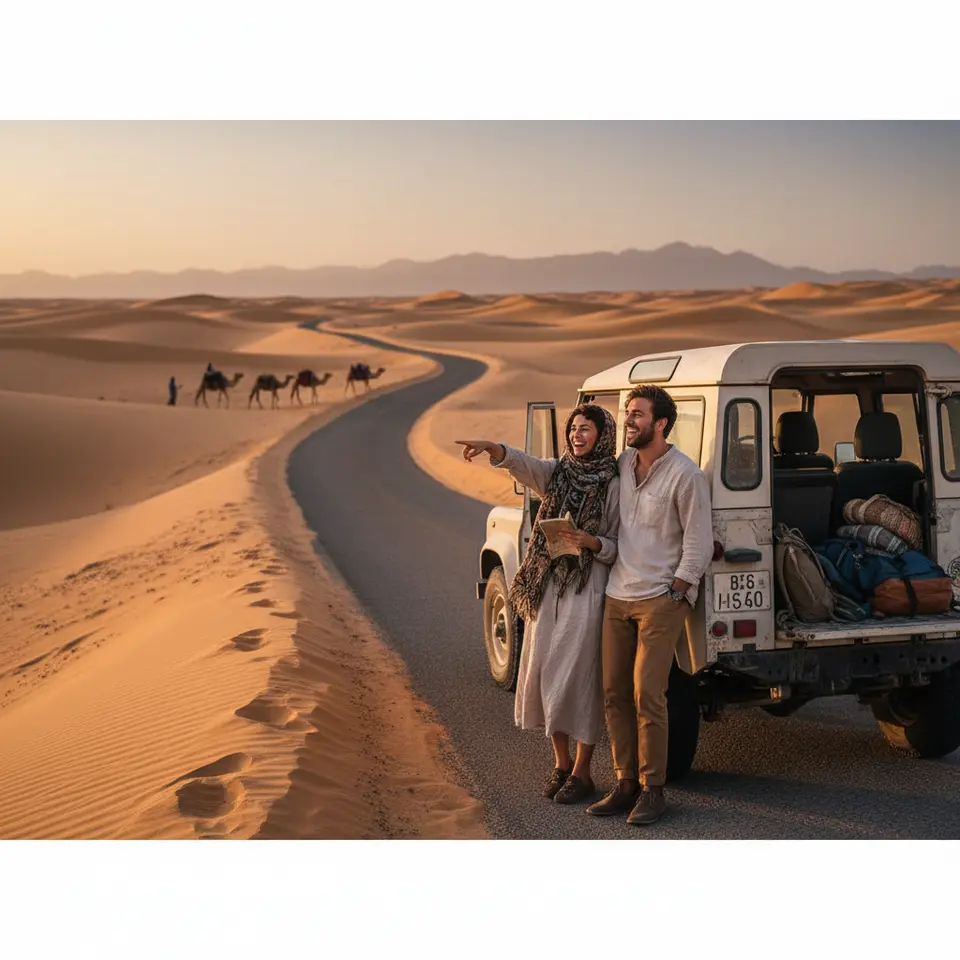
Embarking on a Morocco road trip offers an unparalleled opportunity to experience a tapestry of vibrant cultures, dramatic landscapes and centuries-old traditions. Today, more travelers seek the freedom of a self-drive adventure that winds from the ochre walls of Marrakech to the golden waves of the Sahara. In today’s digital landscape, planning the perfect itinerary is simpler than ever, yet the true magic unfolds off the beaten path: winding mountain passes, remote Berber villages and endless desert vistas. This journey promises to immerse you in local customs—from sipping mint tea in a family home to wandering lively medinas teeming with artisans and spice merchants.
Throughout this guide, we’ll cover everything you need for an unforgettable Morocco road trip: essential preparations, must-see destinations, insider tips and safety considerations. Whether you’re a culture enthusiast, gourmet traveler or adventure seeker, you’ll find expert advice on selecting the right 4×4 rental, navigating rural roads and honoring local customs. We’ll introduce you to vibrant coastal towns, the lush Atlas Mountain valleys, historic kasbahs and the sweeping Erg Chebbi dunes near Merzouga. Along the way, you’ll also discover authoritative resources—such as the official Moroccan government portal Maroc.ma and UNESCO’s World Heritage Centre whc.unesco.org—to help you plan with confidence. Pack your bags, fuel your curiosity and get ready to drive through the heart of a country that captivates the senses and stays with you long after you return home.
Preparing for Your Self-Drive Adventure
Begin your Morocco road trip by outlining your travel goals and mapping out key waypoints. Opting for a rugged 4×4 vehicle is highly recommended—many routes traverse unpaved roads, high-altitude passes and remote desert tracks. When you reserve your car, ensure it comes with comprehensive insurance coverage, a reliable GPS system and a roadside assistance package. Many local agencies also offer satellite phone rentals for extra peace of mind when venturing into sparsely populated regions.
International travelers should secure a valid driver’s license recognized in Morocco and consider obtaining an International Driving Permit. Before departure, brush up on local traffic regulations: speed limits are typically 120 km/h on highways, 100 km/h on main roads and 60 km/h in urban areas. Always carry your rental agreement, passport and insurance documents, as police checkpoints are common when crossing provincial borders.
Budgeting wisely will enhance your experience. Allocate funds for fuel, tolls, parking fees in larger cities and occasional taxi rides when exploring medinas. Moroccan Dirham (MAD) is the national currency; ATMs operate smoothly in urban centers but become scarce in the desert. Consider carrying cash in small denominations for roadside vendors and local cooperatives selling handicrafts.
Respectful attire is crucial, particularly in rural areas and religious sites. Pack lightweight layers, long sleeves and scarves to protect against sun, wind and dust while honoring cultural norms. Finally, download offline maps and language apps to bridge communication gaps. Learning basic Arabic or French phrases—such as hello (salām), thank you (shukran) and please (min faḍlak)—goes a long way in forging authentic connections with locals.
Immersing Yourself in Marrakech and Essaouira
Your Morocco road trip often begins in Marrakech, a city where ancient traditions meet modern vibrancy. After collecting your rental, drive straight into the labyrinthine Medina. Lose yourself among fragrant spice stalls, leather tanneries and artisanal workshops. Key sights include Jemaa el-Fnaa square, where storytellers, snake charmers and food vendors animate the evening air. Nearby, the Koutoubia Mosque’s imposing minaret rises above palm-lined gardens, while the ornate courtyard of Bahia Palace offers a tranquil respite.
From Marrakech, head west to discover Essaouira’s breezy seaside charm. In roughly three hours, you’ll reach this fortified port town with its blue-and-white ramparts and fresh Atlantic breeze. Stroll the Skala de la Kasbah’s ramparts for panoramic views of fishing boats bobbing on turquoise waters. Browse the Medina’s relaxed souks for argan oil produced by women’s cooperatives—an industry recognized by UNESCO for its cultural significance. Sample grilled sardines and calamari at waterfront stalls, or join a local windsurfing excursion when the Atlantic trade winds pick up.
Stay overnight in a beachfront riad or guesthouse overlooking Essaouira’s sandy shore. Wake up to seabirds, sip mint tea on a sun-dappled terrace and stock your car with provisions before venturing inland. This coastal interlude provides a gentle contrast to the mountain and desert landscapes that await on the next stages of your journey.
Crossing the Atlas Mountains and Discovering Berber Villages
Leaving the Atlantic behind, your road winds toward the High Atlas range. The scenic drive through the Ourika Valley introduces lush river canyons, cascading waterfalls and traditional Berber homesteads perched on terraced hillsides. Stop at Setti Fatma’s seven waterfalls for an invigorating hike and sample locally crafted goat cheese at a family-run cooperative.
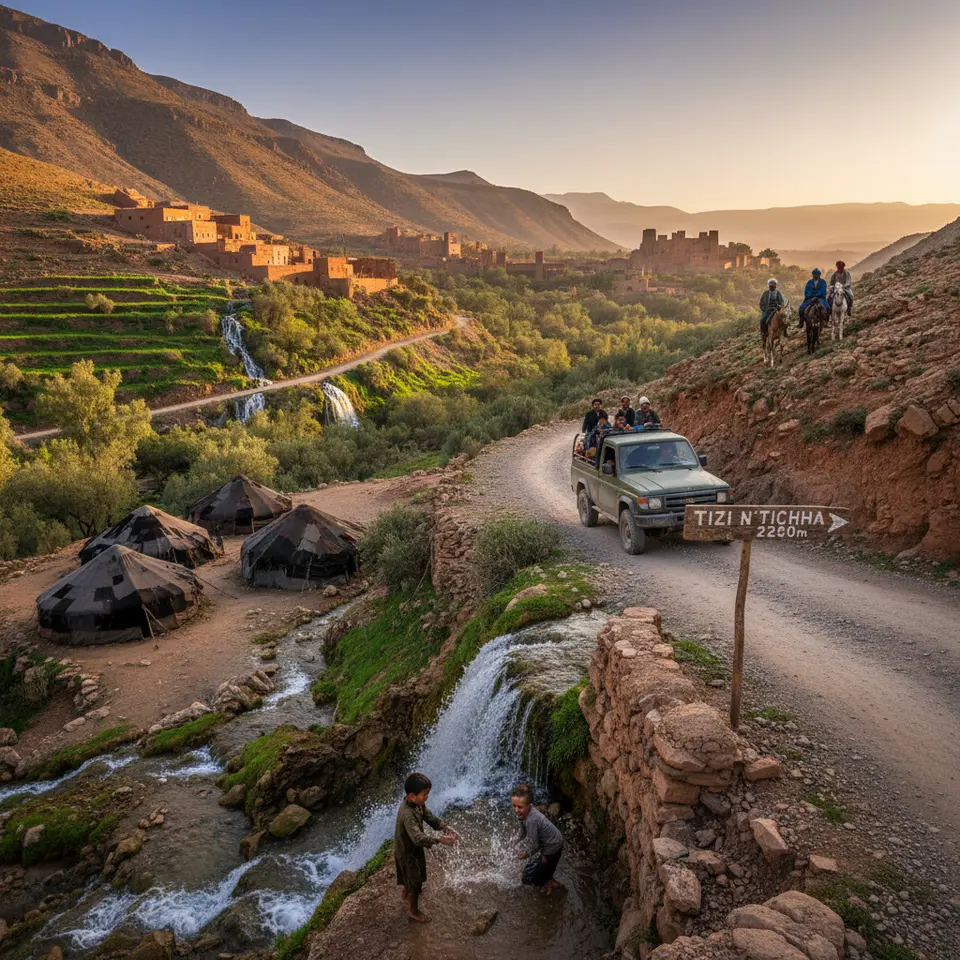
Next, ascend the storied Tizi n’Tichka Pass at 2,260 meters, where panoramic viewpoints overlook vast plateaus dotted with nomad camps. Along the way, pause at the UNESCO-listed Aït Benhaddou—one of Morocco’s most iconic earthen kasbahs whc.unesco.org. This fortified village, featured in blockbusters and historical epics, invites exploration of honey-colored alleys, ancient granaries and atmospheric hilltop shrines.
Continue down to Ouarzazate, often called the “Gateway to the Sahara.” Tour Atlas Film Studios, where international productions have recreated desert landscapes and medieval palaces. Discover Taourirt Kasbah’s labyrinthine chambers and taste traditional pastilla pastries in the town’s central café. As dusk approaches, ascend a rocky overlook to witness the sunset turn mud-brick walls a warm red, then retire to a restored kasbah hotel furnished with Berber textiles and low-slung lanterns.
Desert Magic: Merzouga and the Erg Chebbi Dunes
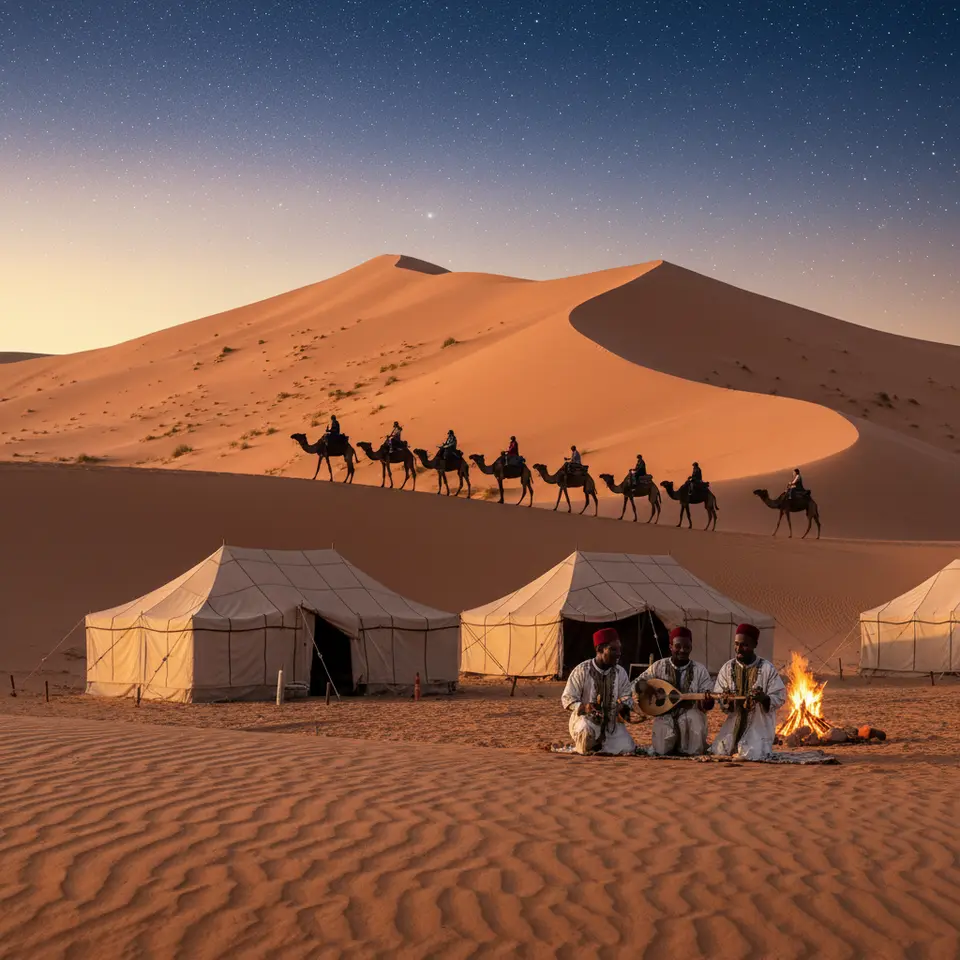
The crown jewel of any Morocco road trip is the Sahara. An early morning departure brings you across the vast Ziz Valley and through miles of date palm oases until the Erg Chebbi dunes emerge on the horizon. Towering up to 150 meters, these golden dunes invite a classic camel trek into the heart of the desert. Your camel caravan leads you to a traditional desert camp, where Berber hosts welcome you with sweet mint tea and dates at sunset.
As night falls, marvel at the infinite sky above—an astronomical treat unhindered by light pollution. Skilled local guides share desert lore and often perform gnawa music around the fire, their rhythmic chants echoing across the sands. Dinner under the stars features tender lamb tagine, vegetable couscous and fresh flatbread baked in a communal clay oven.
Wake before dawn to witness the sunrise paint the dunes in shades of rose and gold. After breakfast in your nomad tent, you can try sandboarding on the wind-sculpted slopes or opt for a 4×4 excursion to nearby fossil sites and remote nomadic encampments. When you’re ready to move on, bid farewell to Merzouga and head north toward Fes, carrying desert dust and memories in equal measure.
Exploring Fes and the Return Journey
Arriving in Fes, immerse yourself in the world’s largest car-free urban area. The medieval Medina unfolds like a living museum, with narrow alleys leading to leather tanneries, ceramic workshops and the University of Al-Qarawiyyin—often cited as the oldest continuously operating degree-granting institution in the world. Seek out the ornate Bou Inania Madrasa, admire mosaic fountains and haggle for handcrafted brass lamps in the bustling souks.
After two days of cultural exploration, prepare for the final leg back to Marrakech. Your route passes through Ifrane, often called “Morocco’s Switzerland” for its Alpine architecture and cedar-forested surroundings. Spot Barbary macaques playing among cedar trees and enjoy a leisurely lunch in a shaded valley. As you descend through the Middle Atlas, reflect on how dramatically Morocco’s landscapes can shift over a few hundred kilometers.
Returning to Marrakech by late afternoon, refill your tank, return the 4×4 and celebrate with a farewell feast at a rooftop restaurant overlooking Jemaa el-Fnaa. Toast to the endless horizons you’ve crossed and the diverse cultures you’ve encountered on your remarkable Morocco road trip.
Frequently Asked Questions
What is the best time to embark on a Morocco road trip?
The ideal seasons are spring (March to May) and fall (September to November), when daytime temperatures are moderate, landscapes are lush and desert nights remain comfortable. Summer can be extremely hot in the Sahara and lowland regions.
Do I need a 4×4 vehicle to drive in Morocco?
While paved highways link major cities, many scenic routes—especially desert tracks and high-altitude passes—require a sturdy 4×4. It offers better ground clearance, traction on sand and gravel and overall reliability in remote areas.
Is it safe to drive alone in the desert regions?
Driving the Sahara alone can be challenging due to sparse services and potential mechanical issues. Traveling with a guide or joining a convoy, carrying satellite communication and having roadside assistance are highly recommended for peace of mind.
How can I respect local customs while traveling?
Dress modestly, particularly in rural areas and religious sites—opt for long sleeves, lightweight trousers or skirts and scarves. Learn basic Arabic or French greetings, ask permission before photographing people and accept invitations to tea or meals with gratitude.
Conclusion
From bustling medinas and rugged mountains to windswept coasts and silent dunes, a Morocco road trip delivers some of the world’s most striking contrasts. By preparing thoroughly, choosing the right vehicle and embracing local customs, you’ll unlock an authentic journey that extends far beyond conventional tourism. Along winding desert tracks and through centuries-old kasbahs, you’ll meet generous hosts, taste the unique flavors of Moroccan cuisine and witness sunsets that illuminate both the land and the soul.
Whether you’ve traversed the mighty High Atlas, shared tea in a remote village or camped beneath the stars in Erg Chebbi, this adventure imprints itself on your memory. As you plan your own Morocco road trip this year (2026), use the resources provided, respect local traditions and keep an open heart. The Kingdom of Morocco awaits with stories written in sand, stone and hospitality—and it’s ready to transform your journey into an unforgettable chapter of discovery.



Leave a Reply