

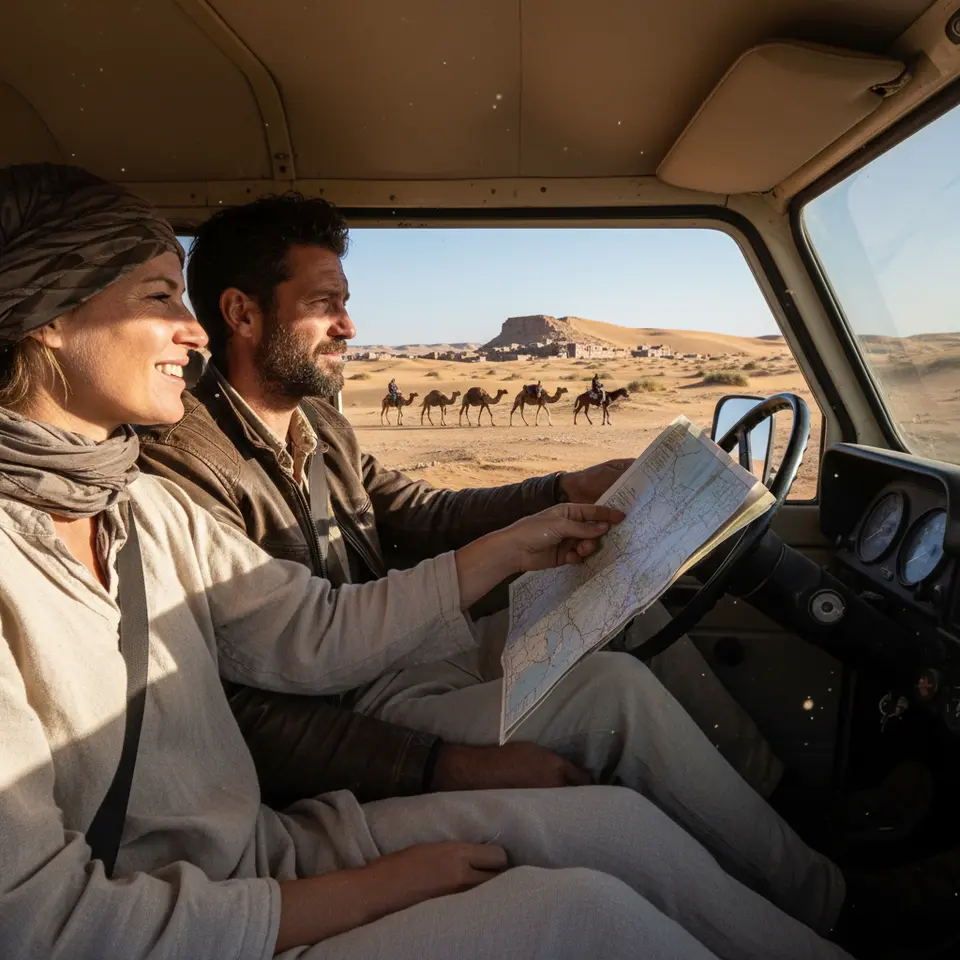
Embarking on a 10-day Morocco road trip offers travelers the ultimate blend of rich culture, dramatic landscapes, and unforgettable adventures. In today’s digital landscape, planning an itinerary that combines bustling medinas, snow-capped peaks, endless deserts, and Atlantic breezes can seem daunting, yet this guide simplifies every detail so you can focus on soaking in the magic of Morocco. Whether you’re drawn to the colorful chaos of Marrakech’s souks, the serene oases of the Sahara, or the cobalt-blue alleys of Chefchaouen, this journey promises a tapestry of experiences that cater to history buffs, nature enthusiasts, and food lovers alike.
Throughout this article, we’ll outline each day’s highlights, insider tips, and logistical pointers to ensure your journey runs smoothly. We’ll reference trusted sources such as UNESCO (whc.unesco.org) and the Moroccan National Tourist Office (visitmorocco.com) for authoritative background on heritage sites and local culture. By weaving practical advice with vivid storytelling, this guide transforms a simple itinerary into a vivid adventure. Ready to chart your course? Let’s dive into the must-see destinations and hidden gems that await on your 10-day Morocco road trip, packed with authentic encounters and jaw-dropping vistas in this year (2026).
Setting Out: Planning Your 10-day Morocco Road Trip
Choosing the Right Vehicle
One of the first decisions you’ll face is selecting a rental car suited for varied terrain. For a 10-day Morocco road trip that traverses mountain passes, rocky trails, and desert tracks, a sturdy 4×4 is essential. Make sure you not only inspect tire tread and suspension but also verify insurance coverage for off-road use. Many agencies in Marrakech and Fes offer daily or weekly packages—compare rates and policies before booking. Opt for unlimited mileage if possible, as daily drives can average 200–300 kilometers.
Mapping Your Route
Plotting a route in today’s digital landscape is easier than ever thanks to GPS and offline map apps. Start in Marrakech, head south into the High Atlas, then curve east toward the Sahara before looping back north through the Middle Atlas to Fes and Chefchaouen, finally swinging west to Essaouira and returning to Marrakech. This circuit covers roughly 2,400 kilometers, which breaks down into manageable daily stretches and allows time for exploration. Build in buffer days to accommodate scenic detours, unexpected discoveries, or rest days.
Budgeting and Accommodation
Expect a moderate budget for a mid-range road trip in Morocco. Rental fees for a 4×4 start around USD 60 per day, while riads and guesthouses typically range from USD 40 to 100 per night. Desert camps can cost USD 80–150, including meals and activities. Prebook your first and last two nights in Marrakech, and reserve Sahara accommodations early, as camps sell out quickly. Use booking platforms or contact properties directly for the best deals.
Packing Essentials
- Layered clothing: days can be hot and nights chilly, especially in the desert.
- Sun protection: wide-brimmed hat, sunglasses, and high-SPF sunscreen.
- Comfortable walking shoes and trekking sandals for varied terrain.
- Reusable water bottle and purification tablets—tap water is safe in cities, carry extra in rural stretches.
- Portable charger and universal adapter for electronics.
Safety and Cultural Etiquette
Morocco is generally safe for tourists, but observe local customs: dress modestly, especially in rural areas and religious sites; ask permission before photographing people; and negotiate politely in markets. Carry a copy of your passport and keep emergency numbers handy. By respecting local norms and staying aware of your surroundings, you’ll enjoy a smooth journey.
Marrakech and the High Atlas: A Blend of Culture and Scenery
Exploring the Medina
Your 10-day Morocco road trip kicks off in Marrakech, a city that pulses with energy at every turn. Wander through the labyrinthine souks of Jemaa el-Fna, where vendors sell colorful textiles, brass lanterns, and fragrant spices. Don’t miss Souk Semmarine for handwoven rugs or the Spice Market for turmeric, saffron, and ras el hanout blends. As dusk falls, the square transforms into an open-air theater: snack on harira soup, grilled merguez sausages, and sweet chebakia pastries while watching snake-charmers and storytellers under glowing lanterns.
Hidden Riads and Rooftop Views
Retreat to a riad—traditional Moroccan house with an interior courtyard—to relax. Many riads feature lush gardens, mosaic fountains, and rooftop terraces offering panoramic views of minarets against the High Atlas backdrop. Savor mint tea as the sun sets, then dine on Moroccan favorites like tagine or couscous. Booking a riad in the Medina provides an authentic experience and direct access to Marrakech’s cultural heart.
High Atlas Drive
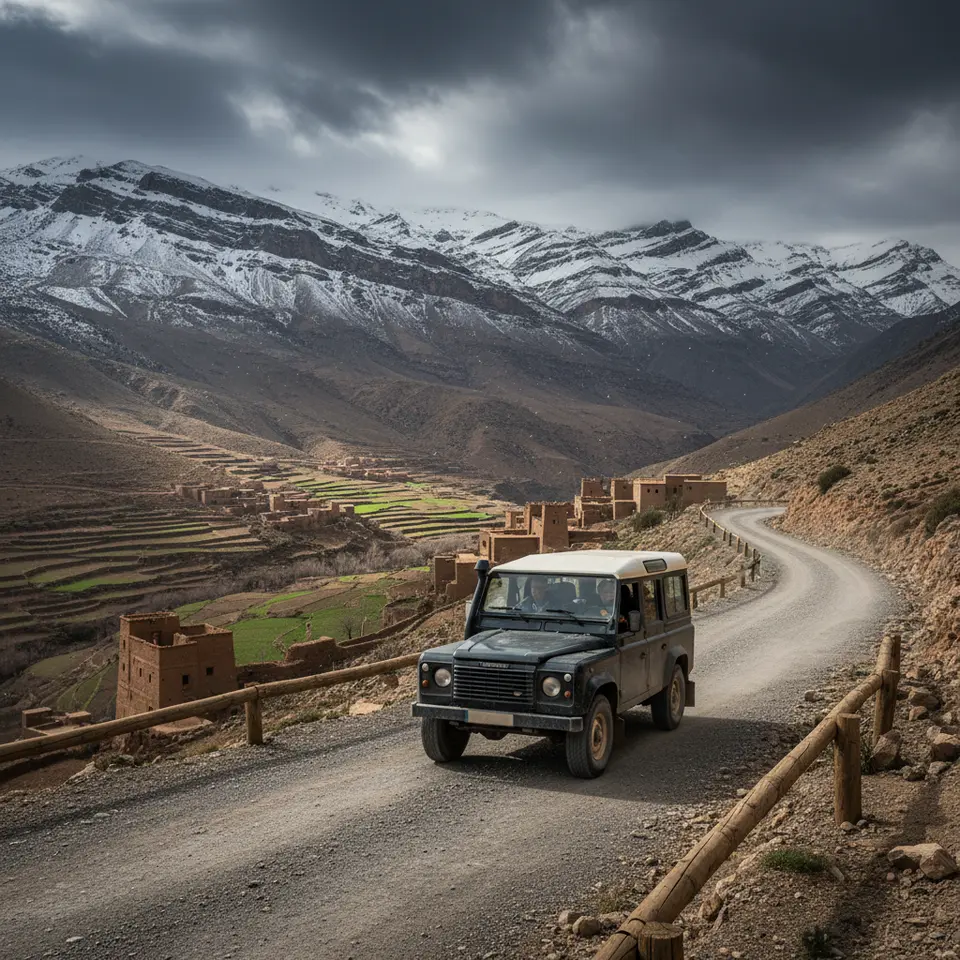
On day two, depart Marrakech early and ascend the High Atlas Mountains via Tizi n’Tichka Pass, one of North Africa’s highest paved roads. This scenic route winds through villages of mud-brick kasbahs and terraced fields. Stop at small roadside stands for fresh oranges, olives, and goat cheese. At Tizi n’Test Pass, pause for dramatic views of snow-dusted peaks (in cooler months) and the lush Ourika Valley below.
Ourika Valley Excursion
Descend into the Ourika Valley, a verdant gorge home to Berber communities. Hike to Setti Fatma’s cascading waterfalls—you can picnic by the river and cool off in natural pools. For cultural insight, visit a local Berber household or cooperative to learn about argan oil production. Return to Marrakech in the evening for a relaxing hammam and massage, a perfect way to soothe tired muscles and prepare for the adventures ahead.
Ouarzazate to the Sahara: Kasbahs, Gorges, and Golden Dunes
Ait Benhaddou’s Kasbah Marvel
Leaving Marrakech, chart a course eastward toward Ait Benhaddou, a UNESCO World Heritage site renowned for its hilltop kasbah—an architectural gem of clay and stone. Wander through its narrow alleys, imagining the caravans that once threaded this ancient trade route. Climb to the granary for sweeping panoramas of the surrounding desert plains. Film enthusiasts will recognize backdrops from “Gladiator” and “Lawrence of Arabia.”
Ouarzazate Film Studios
Continue to Ouarzazate, often dubbed the Hollywood of Africa. Tour Atlas Studios, one of the world’s largest outdoor film studios. Marvel at life-size sets used in blockbusters like “Game of Thrones” and “Kingdom of Heaven.” Nearby, the Taourirt Kasbah showcases opulent interiors and elaborately carved woodwork—a testament to Morocco’s dynastic past.
Road of a Thousand Kasbahs
From Ouarzazate, follow the scenic “Road of a Thousand Kasbahs” through the Dades Valley. The ochre cliffs glow in sunrise and sunset light, framing a journey past remote villages and fortresses. Stop at panoramic overlooks to photograph the layered canyons and date palm oases below.
Todra Gorge Adventure
Arrive at Todra Gorge, where towering limestone walls rise 300 meters on either side. Walk the riverbed, feeling the cool breeze in contrast to the desert heat. Adventurous travelers can arrange a short rock-climbing excursion with a local guide. As daylight fades, settle into a guesthouse overlooking the gorge and enjoy a hearty tajine under a star-studded sky.
“This year (2026),” book a desert camp early to secure your place under the Sahara sky.
Middle Atlas to Fes: Forests, Mountains, and Ancient Medina
Cedar Forests and Barbary Macaques
Departing the Sahara region, ascend into the Middle Atlas Mountains toward Midelt. On the way, pause in the Azrou cedar forests, home to Barbary macaques in their natural habitat. Observe these playful primates as they forage among towering cedars. Nearby, local artisans craft wooden bowls and trinkets from fallen wood—a sustainable souvenir option.
Highland Town of Midelt
Midelt, renowned for apple orchards and mineral deposits, is an ideal lunch stop. Sample a local apple tajine or savory msemen (flatbread) stuffed with olives and cheese. Guests often find cozy guesthouses with rooftop terraces showcasing panoramic views of volcanic peaks and orchard-covered hillsides.
Approaching Fes
Continue northeast toward Fes, Morocco’s cultural and spiritual capital. The final miles meander through cedar woods and rural villages. As you descend, the contrast from highland greenery to the city’s towering walls becomes apparent. Arriving in Fes in the afternoon gives you time to rest before an immersive evening in the medina.
Fes el-Bali Exploration
The ancient medina of Fes el-Bali is a UNESCO-listed labyrinth of over 9,000 alleys and courtyards. Guided walking tours unveil hidden riads, ornate madrasas, and the famous Chouara Tanneries where leather is hand-dyed in open vats. Marvel at the blue-tiled minarets of Bou Inania Madrasa and catch sunset views from a rooftop café.
Chefchaouen to the Atlantic: Blue Walls and Coastal Breezes
Chefchaouen’s Azure Alleys
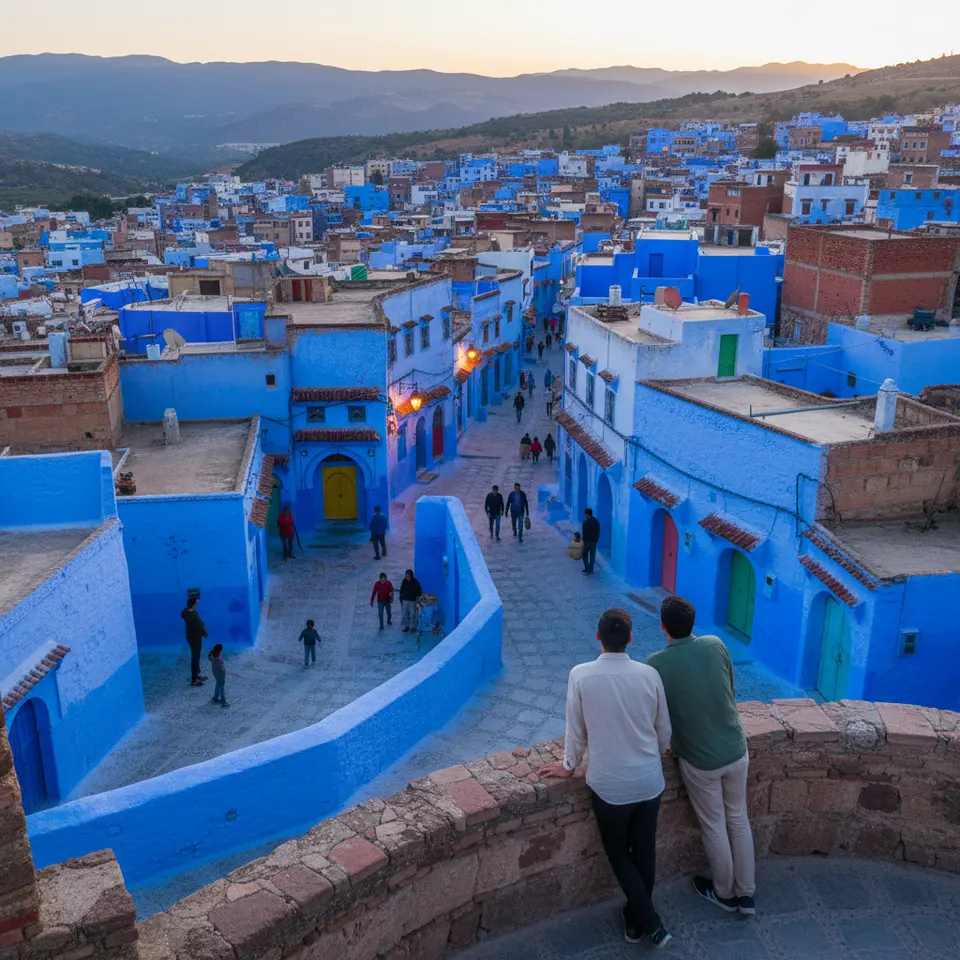
Leaving Fes, drive north into the Rif Mountains to Chefchaouen, often described as Morocco’s most picturesque town. Every corner is painted in varying shades of blue, creating dreamy photo opportunities. Shop for handwoven blankets and woolen caps or sample goat cheese at a local market stall. For panoramic views, hike up to the Spanish Mosque overlook just before dusk.
Gateway to the Atlantic: Essaouira
On the penultimate day of your 10-day Morocco road trip, head southwest toward Essaouira. This fortified port town boasts 18th-century ramparts, whitewashed walls, and a laid-back atmosphere. Browse the medina for argan oil products, leather goods, and metalwork. At the harbor, watch fishermen mend nets and unload the day’s catch. Enjoy fresh grilled sardines and pastries infused with local argan oil.
Coastal Drive Back to Marrakech
The final stretch winds along the Atlantic coast, with occasional glimpses of surf-swept beaches and coastal cliffs. Pause at roadside cafes for mint tea and fresh orange juice. Arrive in Marrakech by late afternoon in time for a farewell feast of Couscous Royal and live Gnawa music at a traditional restaurant.
Reflecting on the Journey
As your engine cools and the city lights flicker on, you’ll realize how much ground you’ve covered: snow-capped mountains, desert dunes, ancient medinas, and ocean breezes. This well-rounded circuit offers a microcosm of Morocco’s natural wonders and cultural treasures.
Frequently Asked Questions
What is the best time of year to take a Morocco road trip?
The ideal time is spring (March to May) and autumn (September to November) when temperatures are mild and landscapes are vibrant. Summer can be very hot, especially in the desert, while winter brings cooler nights and occasional snow in the High Atlas.
Do I need a special driving permit or insurance?
A valid international driving permit (IDP) is recommended along with your home country license. Ensure your rental includes comprehensive insurance that covers off-road driving, and confirm liability and theft protection before departure.
Is it safe to drive in the Sahara region?
Yes, but caution is advised. Stick to marked routes, carry extra water and supplies, and inform your accommodation of your itinerary. GPS and local guides can help navigate shifting dunes and remote tracks.
Can I modify the itinerary for a shorter trip?
Absolutely. For a 7-day trip, focus on Marrakech, the High Atlas, and the Sahara. Skip distant regions like Chefchaouen and Essaouira, or prioritize key highlights based on your interests.
What cultural etiquette should I know?
Dress modestly, especially in rural areas and religious sites. Greet locals with respect, ask permission before photographing people, and haggle politely in markets. Learning a few Arabic or Berber phrases goes a long way in building rapport.
Conclusion
A 10-day Morocco road trip in this year (2026) is more than an itinerary—it’s a tapestry of sensory experiences that weave together history, culture, and nature. From navigating bustling souks in Marrakech to sleeping under the starlit Sahara sky, each day presents a new chapter in your Moroccan odyssey. By following this guide, you’ll gain insider access to hidden waterfalls, dramatic gorges, and cobalt-blue towns, all while savoring local cuisine and forging connections with Berber communities. As you return to Marrakech for your final dinner and reflect on the road ahead, you’ll carry memories of mint tea in mountain villages, camel caravans at dusk, and the rustle of ocean waves. Safe travels and may every mile bring discovery and delight on your 10-day Morocco road trip.



Leave a Reply