


Embarking on a 10-day Balkan road trip offers an unparalleled journey through time-honored cultures, dramatic coastlines and verdant landscapes. In today’s digital landscape, travelers seek itineraries that balance iconic UNESCO World Heritage sites with hidden gems tucked away from crowded routes. This year (2026), you can navigate three striking Balkan nations Croatia, Montenegro and Bosnia & Herzegovina behind the wheel of a rental car, weaving a tapestry of medieval towns, azure waters and cascading waterfalls.
This guide unpacks a carefully crafted route designed for self-drive adventurers eager to experience the rich tapestry of the region. You will begin in Dubrovnik, the “Pearl of the Adriatic,” before traversing coastal roads to Montenegro’s Bay of Kotor, then plunging into Bosnia’s historic cities and natural wonders, and finally returning to Croatia’s celebrated Plitvice Lakes. Along the way, practical pointers on border crossings, vehicle essentials and site-specific tips help ensure a smooth voyage. We’ll link to authoritative resources—including UNESCO’s official site for heritage details and government guidance on border requirements via to reinforce reliable planning.
Whether you’re captivated by ancient stone walls, Ottoman-era bazaars or the emerald hues of karstic lakes, this 10-day Balkan road trip promises lasting memories. We’ll delve into daily highlights, recommended stays and essential advice, ensuring you arrive confidently at each destination. Let’s set out on this immersive Balkan odyssey today.
Crafting Your 10-Day Balkan Road Trip Itinerary
Starting strong with an efficient plan is vital for any successful Balkan road trip. In today’s fast-paced environment, allocating time wisely maximizes experiences without rushing through key attractions. Begin by securing a cross-border-friendly rental vehicle equipped with full insurance and GPS navigation. Ensure the agency allows border crossings among Croatia, Montenegro and Bosnia & Herzegovina—this proactive step spares you surprises at frontier checkpoints.
Day-by-Day Breakdown
Day 1: Land at Dubrovnik Airport, collect your vehicle and head directly to the Old Town. Check into a centrally located boutique hotel to minimize transit time and stroll the storied City Walls at sunset.
Day 2: Cruise the scenic Adriatic Highway from Dubrovnik to Cavtat, making photo stops at iconic overlooks. Sample coastal Dalmatian cuisine before returning to Dubrovnik for an evening cable car ascent to Srd Mountain.
Day 3: Cross into Montenegro via the Croatia–Montenegro border crossing. Drive through Herceg Novi en route to Kotor, where you’ll explore the medieval Old Town enclosed by Venetian fortifications.
Day 4: Immerse yourself in Bay of Kotor’s maritime heritage with a boat tour to Our Lady of the Rocks and a visit to the baroque town of Perast. End your day exploring hidden coves on the Lustica Peninsula.
Logistics & Preparations
Accommodation: Pre-book hotels or guesthouses in historic centers to fully absorb the ambiance without extensive transfers. During peak season, properties fill quickly, so arrange bookings well before departure.
Border Crossings: Have passports, driver’s license and rental agreement handy. Official border sites occasionally impose wait times of 30–60 minutes; scheduling buffer times between destinations keeps you on track.
By delineating each day’s core activities and ensuring your documentation and reservations are in order, you set the foundation for a seamless Balkan road trip. Next, explore the coastal and cultural highlights that define the Adriatic stretch of your adventure.
Immersing in Coastal and Cultural Highlights
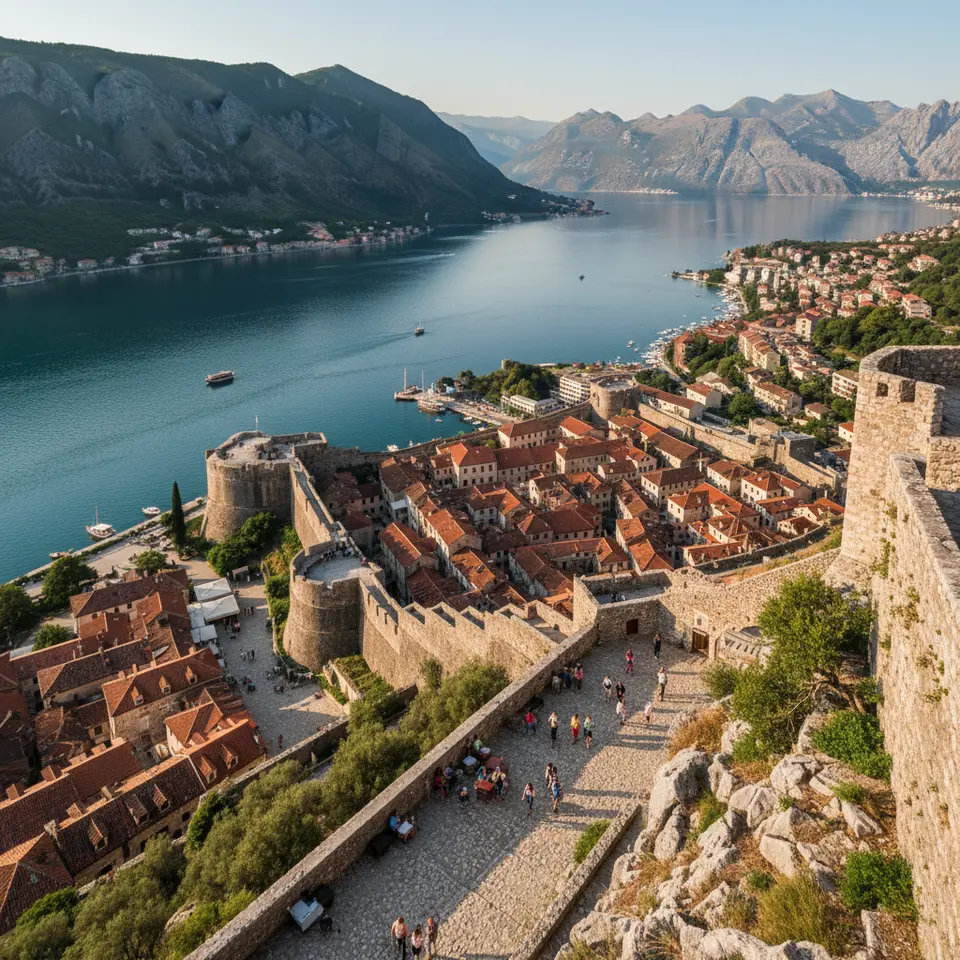
The initial leg of your Balkan road trip immerses you in coastal splendor and medieval architecture. Dubrovnik’s Old Town enchants travelers with its red-tiled rooftops, limestone streets and storied fortifications. Today, walk the entire perimeter of the City Walls during the golden hour, capturing sweeping views of the Adriatic Sea. Dive deeper into local history at Rector’s Palace and the Franciscan Monastery, where one of the world’s oldest pharmacies remains in operation.
Exploring Cavtat’s Charms
On Day 2, follow the coastal road south to Cavtat, a tranquil seaside town once home to the Roman patrician family, the Epidaurus. Stroll the harbor promenade lined with palm trees, visit the 15th-century Racic Mausoleum and unwind on pebble beaches. Local seafood taverns—known as konobas—offer fresh octopus salad and black risotto, specialties that illustrate Dalmatian gastronomy.
Sunset Perspectives
Return to Dubrovnik in time for the cable car ride to Srd Mountain. At 412 meters above sea level, the vantage point reveals panoramic coastlines and the sprawling island studded horizon. Capture sunset hues before descending to dine at a family-run restaurant renowned for hearty peka dishes, slow-cooked under iron domes.
Throughout these coastal days, keep your camera ready. The contrast of white marble streets against cerulean waters provides countless photo opportunities. Sip local rakija fruit brandy between stops and chat with artisans selling handcrafted filigree silver jewelry in Dubrovnik’s historic arcade. Immersing yourself in gastronomic and cultural encounters primes you for the next phase: exploring Montenegro’s hidden treasures.
Exploring Montenegro’s Hidden Gems on Your Balkan Road Trip
Leaving Dubrovnik behind, your road trip continues across the Croatia–Montenegro border. Passport checks and vehicle inspections are swift if you’ve pre-registered your rental for multi-country Solo Travel Creative Culture Tribe. In Montenegro, the coastal road unfolds through dramatic cliffs and secluded bays, leading first to Herceg Novi—a town famed for fortress ruins and botanical gardens.
Kotor’s Venetian Legacy
Next, arrive in Kotor Bay, where medieval walls cradle a labyrinth of narrow alleys. Park near the Old Town and enter through the Sea Gate, lined with Venetian inscriptions. Ascend the 1,350 stone steps to the Castle of San Giovanni for a bird’s-eye view of the bay’s fjord-like inlet. Take your time wandering the piazzas and sampling local cheeses drizzled with linden honey.
Perast and Marine Wonders
On the following morning, board a small boat from Perast’s waterfront. Cruise to Our Lady of the Rocks, an artificial island crowned by a baroque church. Legends say the islet formed as sailors dropped stones in gratitude to the Virgin Mary. Enjoy fresh grilled fish in Perast, then venture to Lustica Peninsula, where hidden beaches shaded by pine trees await solitude seekers.
For photographers, the Blue Cave on Lustica provides ethereal light reflections. Wrap up the day with sunset cocktails at an open-air bar overlooking the bay. Before departing Montenegro, sample prosciutto and local wine at a family-run konoba—an authentic taste of Montenegrin hospitality. With hearts full of coastal vistas and castles, cross into Bosnia & Herzegovina to uncover the region’s Ottoman and Austro-Hungarian heritage.
Venturing Through Bosnia & Herzegovina Landmarks

Entering Bosnia & Herzegovina on Day 5 brings you to Mostar, home of the iconic Stari Most (Old Bridge). This UNESCO World Heritage site spans the emerald Neretva River, and today, daredevil divers perform mid-air plunges into the swirling waters below. Stroll the cobbled streets of the Old Bazaar, lined with copper artisans and leather workshops.
Počitelj & Natural Oases
A short drive south leads to Počitelj, a fortified hilltop village where stone towers command views of the valley below. After trekking its ramparts, head onward to Kravice Waterfalls, a natural amphitheater of limestone cascades. Swim in the turquoise plunge pools or kayak beneath the falls. Picnic by the water or enjoy riverside dishes at the park’s café.
Sarajevo’s Mosaic of Cultures
Continue your journey to Sarajevo, arriving in the historical Baščaršija district. Sip Bosnian coffee at a traditional kiosk by the Sebilj fountain and taste burek, a flaky pastry filled with minced meat. Explore the Latin Bridge, where the assassination that sparked World War I took place, then pay respects at the Tunnel of Hope Museum, a vital lifeline during the 1990s conflict.
For panoramic vistas, take the cable car to Mount Trebević. As you gaze over the cityscape of minarets and red roofs, you’ll appreciate Sarajevo’s vibrant blend of Eastern and Western influences. In evening light, dine on ćevapi—grilled minced meat sausages with ajvar and kajmak cheese. Let live sevdah music provide a soulful soundtrack to your night.
Discovering Croatia’s Natural Wonders and Final Departure
On Day 9, set off early for the lengthy drive back into Croatia. Border formalities may take up to two hours, so plan accordingly. Your destination is Plitvice Lakes National Park, a UNESCO site famous for its cascading lakes connected by wooden boardwalks. Arriving by midday allows plenty of time to explore the park’s Lower and Upper Lakes circuits.
Walking Among Waterfalls
Wander along the elevated trails that wind over emerald pools and beneath moss-draped waterfalls. Keep an eye out for endemic bird species and perhaps a glimpse of the European otter in secluded coves. Consider renting a boat on the largest lake for a serene perspective beneath towering karst cliffs.
Sunrise and Departure
If your schedule permits, stay overnight at a lakeside guesthouse. Rise early to experience the park at first light, when mist rises from the water and crowds are minimal. After a final morning stroll, drive the 130 km to Zagreb Airport, returning your rental car and catching your flight home. Alternatively, extend your trip by exploring Croatia’s capital or heading toward Istria’s wine country.
This segment of your Balkan road trip seamlessly blends dramatic natural landscapes with UNESCO-listed heritage, culminating in memories of shimmering lakes, ancient bridges and cultural crossroads. Before departing, review travel advisories on government sites like to confirm entry requirements and recommended health guidelines.

Conclusion
A 10-day Balkan road trip this year (2026) unlocks centuries of shared history, spectacular coastlines and breathtaking natural scenery. From Dubrovnik’s fortified Old Town and Kotor’s Venetian echoes to Mostar’s Ottoman charm and Plitvice’s labyrinth of waterfalls, each stop enriches your understanding of the region’s vibrant tapestry. By following this itinerary, you balance must-see landmarks with off-the-beaten-path discoveries, all supported by practical tips on border crossings, accommodation and local gastronomy.
Whether you’re capturing the sunset from a fortress rampart or dipping your toes in the crystalline Adriatic, the memories forged on this journey will endure. Pack your camera, secure your travel documents and set out today on an unforgettable 10-day Balkan road trip. Adventure awaits around every winding road and cobblestone street let the Balkans surprise you.


Leave a Reply