

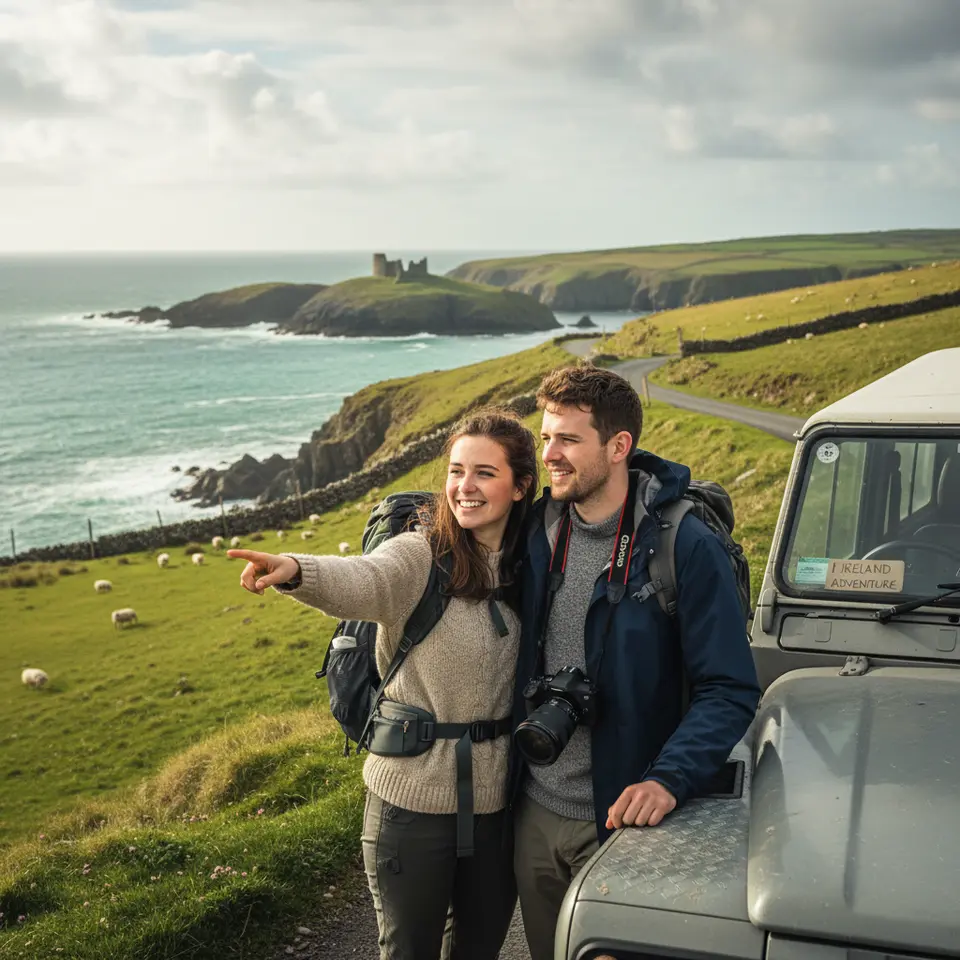
Discover Ireland’s Wild Atlantic Way and Ring of Kerry through a scenic 10-day road trip featuring coastal cliffs, charming villages, historic sites, and unforgettable cultural adventures.
Embarking on an Ireland road trip is one of the most exhilarating ways to explore the Emerald Isle’s rugged coastlines, rolling green hills, and vibrant villages. In today’s digital landscape, travelers can effortlessly map out a seamless journey, tapping into real-time weather updates and booking tools to enhance their adventure. This year (2026), an Ireland road trip remains an exceptional choice for both seasoned and first-time visitors seeking a blend of natural beauty, cultural heritage, and friendly hospitality. From the dramatic cliffs plunging into the Atlantic to winding mountain passes and quaint harbors, every mile promises unforgettable vistas and authentic encounters.
Whether you’re planning a family vacation, a romantic escape, or a solo exploration, this comprehensive guide will walk you through every aspect of crafting the ultimate Ireland road trip. You’ll discover how to optimize your route, uncover hidden gems, savor local cuisine, and navigate practical challenges like driving on narrow country roads. As you journey along the famed Wild Atlantic Way and circle the iconic Ring of Kerry, you’ll see why Ireland’s west coast is ranked among Europe’s top scenic drives by organizations like UNESCO Global Geoparks and supported by national tourism initiatives at gov.ie. Get ready to hit the road and fall in love with this magical landscape on your Ireland road trip.
Planning Your Ireland Road Trip
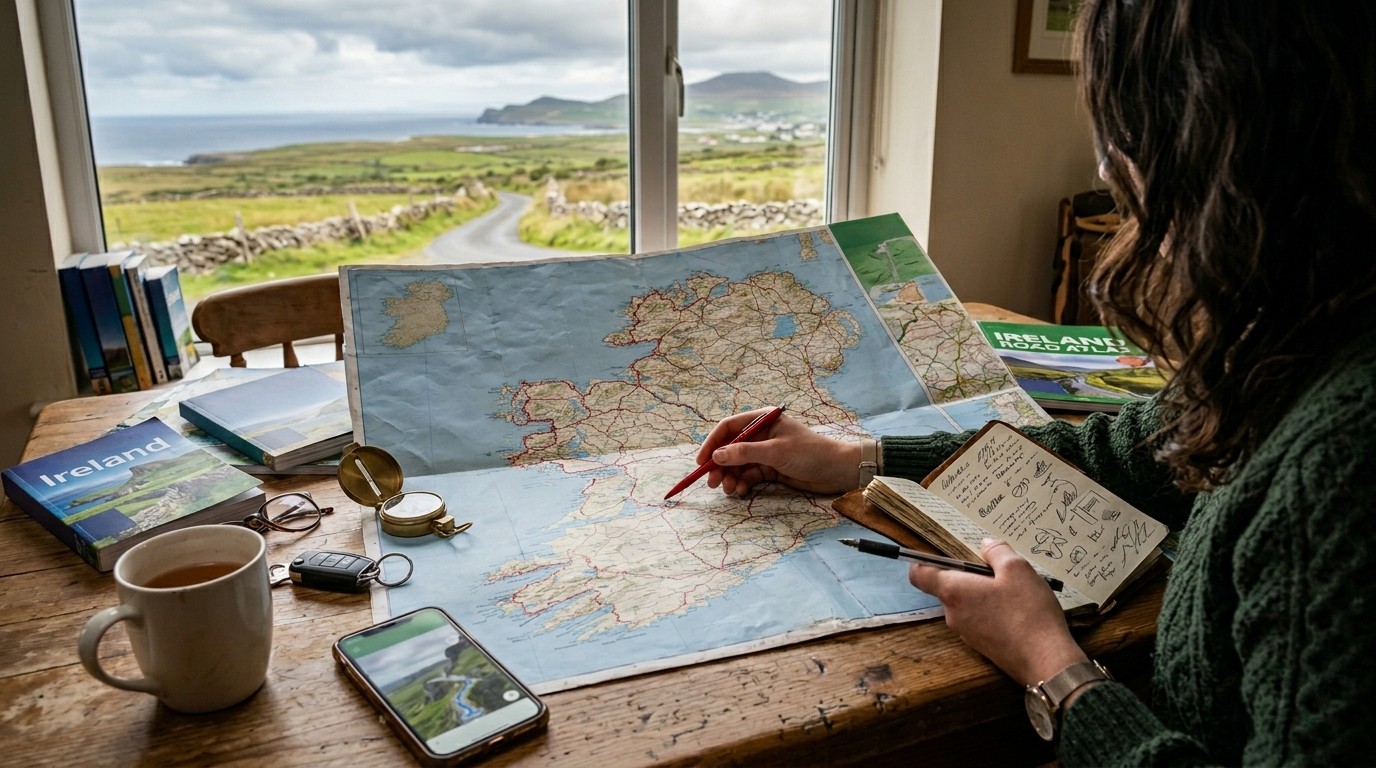
Before you start your Ireland road trip, crafting a well-structured plan is essential. Today, online resources make it easier than ever to select your dates, secure accommodation, and choose the must-see stops along the Wild Atlantic Way and the Ring of Kerry. First, set your Solo Travel for Personal Growth window. This year (2026), May through September offers longer daylight hours and more stable weather, though peak months like July and August require early bookings. For a quieter experience, consider shoulder seasons in May or September when wildflowers decorate the countryside and ferry schedules remain in full swing.
Next, determine your vehicle choice. Renting a compact car or small SUV provides maneuverability on narrow lanes while offering enough space for luggage and souvenirs. Companies like Enterprise, Hertz, and Sixt operate at Dublin and Shannon airports, and many provide unlimited mileage—ideal for covering roughly 2,500 kilometers of Atlantic coastline. Insurance is non-negotiable: opt for full coverage to protect against stone chips, windscreen damage, and third-party liability. Always verify whether cross-border travel to Northern Ireland is permitted under your policy.
Mapping your route is the heart of any Ireland road trip plan. Use smartphone apps or dedicated GPS units with offline downloading capabilities to avoid losing signal in rural counties. Identify key overnight stops—Galway, Dingle, Killarney, and Westport are popular hubs with ample accommodations and dining options. Bookmark local websites for heritage attractions and national parks, such as Connemara National Park or Killarney National Park, to pre-book timed entries or guided tours. Solo Travel Guide forums and official sites provide insights on hidden pull-offs for coastal panoramas and photography opportunities.
Finally, prepare a flexible itinerary that includes buffer days. Weather on the Atlantic coast can shift rapidly, and you’ll want time to extend your stay in villages that capture your heart. Allocate at least one full day for the Ring of Kerry circuit and plan two to three nights in Dingle or Killarney to immerse yourself in local music and folklore. By outlining each day’s driving distance—ideally keeping legs under 200 kilometers—you’ll ensure you spend less time behind the wheel and more time soaking up the exceptional sights on your Ireland road trip.
Starting Points and Major Landmarks
Your Ireland road trip often begins in Ireland’s bustling capital, Dublin, or the charming west coast city of Galway. Dublin offers a convenient gateway with international flights arriving daily, and from there you can rent a vehicle and head west via the M4 motorway. Alternatively, landing in Shannon Airport positions you immediately within striking distance of the Wild Atlantic Way’s southern reaches. Regardless of your entry point, Ireland’s well-maintained roads and straightforward signage make navigation today more accessible than ever.
Once on the road, prioritize landmarks that define the Irish coastal experience. The Cliffs of Moher stand as one of the world’s most celebrated cliff faces, rising over 200 meters above the Atlantic. For detailed information and conservation insights, consult resources at the official Burren and Cliffs of Moher UNESCO Global Geopark site. Nearby Doolin provides the perfect base for exploring these cliffs and sampling traditional music in cozy pubs.
Further south, the Dingle Peninsula offers a dramatic contrast of sandy coves, sweeping beaches, and the iconic Slea Head Drive. Keep an eye out for ancient beehive huts and the westernmost point of Europe—perfect for sunset photography. Heading east, the Ring of Kerry loop unfurls through Killarney National Park, past serene lakes, and historic ruins like Ross Castle. Ladies View, an overlook named by Queen Victoria’s ladies-in-waiting, rewards visitors with panoramic vistas of the McGillycuddy’s Reeks mountain range and Lough Leane.
No Ireland road trip is complete without a detour along the Skellig Ring, where dramatic sea stacks greeted centuries of passing sailors. Nearby, ascend Croagh Patrick—Ireland’s holy mountain—for spiritual and scenic rewards. On your final day, consider a stop at Blarney Castle near Cork to kiss the famous Blarney Stone, reputed to bestow the gift of eloquence. By weaving these major landmarks into your route, you guarantee a journey rich in natural wonders and cultural heritage from start to finish.
Hidden Gems and Cultural Experiences
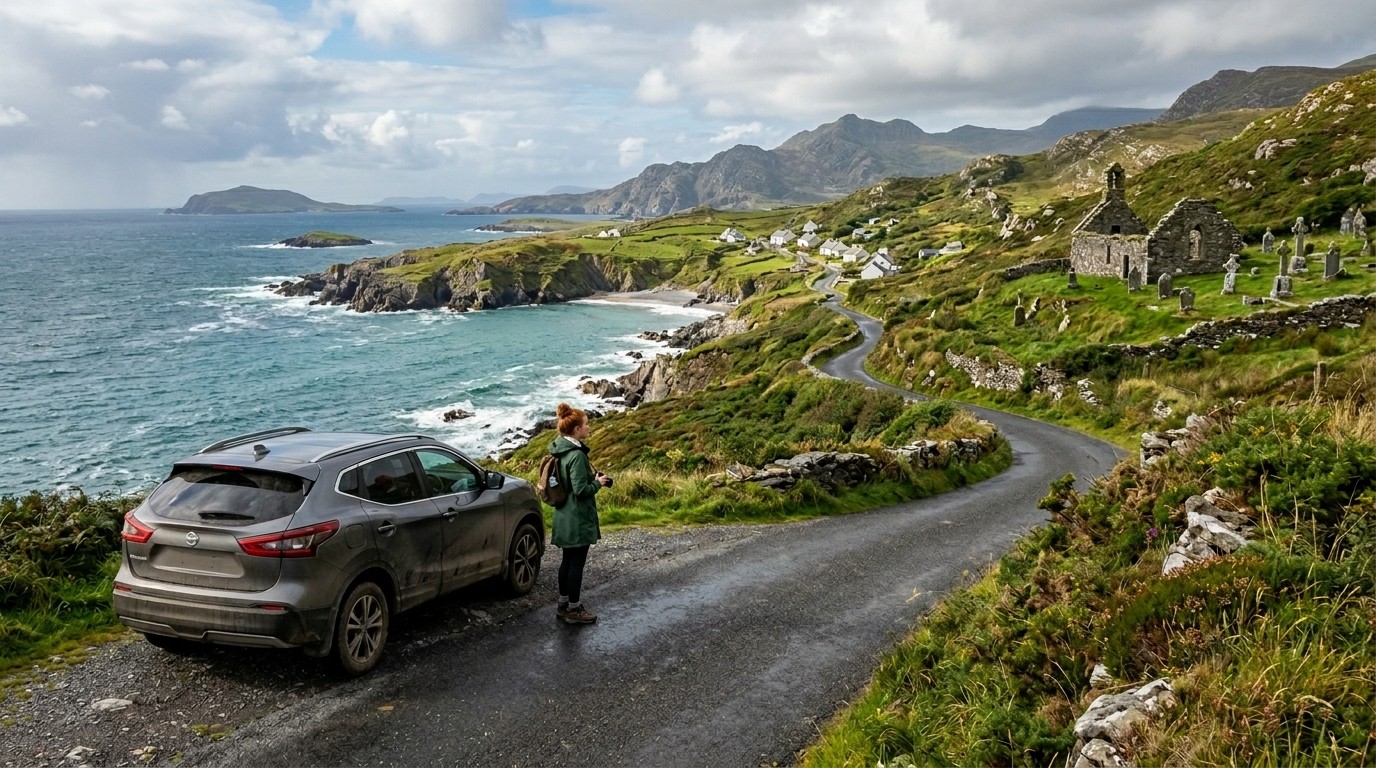
Beyond the headline attractions, an Ireland road trip hides countless lesser-known treasures waiting to be uncovered. In County Clare, journey into the Burren’s moonlike karst landscape where rare flora thrive among limestone pavements. Explore Poulnabrone Dolmen—an imposing megalithic portal tomb—without the crowds that flock to more famous sites.
Coastal villages like Clifden in Connemara invite you to wander colorful streets lined with artisan shops and seafood eateries. Rent a bike to cycle along the Sky Road for uninterrupted views of the Atlantic and the Twelve Bens mountain range. If you’re a wildlife enthusiast, book a boat tour from Dingle Harbour to spot puffins, seals, and dolphins around the Blasket Islands, supported by scientific studies from institutions like University College Cork’s marine biology department.
In the heart of Kerry, the Gap of Dunloe reveals a serene mountain pass best explored on foot or by traditional jaunting car. The rocky rivers and emerald valleys here are perfect for a picnic and offer a peaceful respite from busy tourist circuits. Nearby in Kenmare, hidden craft studios showcase handmade textiles and woodwork, allowing you to bring home a genuine piece of Irish craftsmanship.
Music and storytelling are woven into Ireland’s cultural fabric, and small-town pubs deliver intimate sessions where locals play traditional reels and recite timeless legends. Don’t be shy to join a session at a family-run establishment—you may even pick up a few Gaelic phrases along the way. Festivals such as Puck Fair and Galway International Arts Festival also provide immersive cultural experiences if your Ireland road trip coincides with their dates. By venturing off the beaten path, you’ll engage deeply with Ireland’s living heritage and create memories that outshine any postcard view.
Practical Tips for Driving and Logistics
Driving in Ireland can be a delightful adventure, but there are practical aspects to consider on your Ireland road trip. First, remember that traffic follows the left-hand rule, and rural roads can narrow to single lanes with passing places. Approach bends slowly, especially when hedgerows limit your sightlines, and be prepared to yield to oncoming vehicles.
Fuel stations become sparse in remote regions, so plan refills when you’re in larger towns. Diesel and petrol prices fluctuate, averaging around €1.60 per liter this year (2026). Most service areas accept credit cards, but carrying some cash for parking meters and small villages is advisable. In towns, look for “Pay & Display” machines; parking fines apply if tickets aren’t clearly displayed.
Mobile coverage can be patchy along the rugged coast. Download offline sections of mapping apps like Google Maps or Maps.me before setting off each day. Keep your devices charged with a reliable car charger and consider bringing a portable power bank. If you prefer a dedicated GPS, opt for one with preloaded maps of Ireland and the UK to ensure uninterrupted guidance.
Always carry your driving license, passport, car rental agreement, and insurance documents. Familiarize yourself with Ireland’s road signs, speed limits (generally 100 km/h on national roads and 80 km/h on regional roads), and local regulations such as child seat requirements. Emergency roadside assistance is included with most rental packages, but it’s wise to note the contact number in case of breakdowns or accidents. By preparing in advance, you’ll maximize safety and minimize stress, letting the breathtaking views define your Ireland road trip experience.
Culinary Delights and Accommodation Choices
An Ireland road trip tantalizes all the senses, and the culinary scene is no exception. Start your mornings with a full Irish breakfast—piping hot sausages, black pudding, grilled tomato, and soda bread. Coastal towns serve exemplary seafood: Galway oysters, Dingle crab claws, and Clare mussels fresh from the Atlantic. Sample chowder made with locally foraged seaweed for a true taste of the coast.
Inland, pubs in Killarney and Kenmare dish up hearty stews, lamb shanks, and farmhouse cheeses. Many establishments partner with artisan bakers and organic farms to showcase seasonal ingredients. To explore Ireland’s burgeoning craft beverage industry, visit distilleries such as the Jameson Experience in Midleton or the Connemara Whiskey Visitor Centre in Carna, offering guided tastings and behind-the-scenes tours.
Accommodation ranges from cozy family-run B&Bs to historic castle hotels overlooking the coastline. Booking platforms and local tourism offices often list guesthouses with personalized service and homemade breakfasts. For a splurge, reserve a room in a converted manor within Killarney National Park or a cliff-top lodge near the Cliffs of Moher. Campsites and glamping pods provide budget-friendly options while allowing you to fall asleep under starlit skies.
Advance reservations are crucial, especially during peak season. Aim to secure your lodging at least two months before departure if traveling this year (2026). Use aggregated booking sites to compare prices and read recent reviews—many properties boast free parking, complimentary Wi-Fi, and local shuttle services for nearby attractions. By balancing comfort, authenticity, and value, you’ll create a travel experience as rich as the landscapes you traverse on your Ireland road trip.
Conclusion
Setting out on an Ireland road trip this year (2026) offers an unparalleled blend of dramatic coastlines, historic sites, and warm Irish hospitality. From the soaring Cliffs of Moher to the winding Skellig Ring and the rolling pastures of the Ring of Kerry, each day presents new panoramas and cultural discoveries. Practical planning securing rental insurance, downloading offline maps, and booking accommodations early ensures your journey flows smoothly. Along the way, savor the freshest Atlantic seafood, immerse yourself in lively pub sessions, and explore hidden valleys far from the usual tourist path.
Whether you seek solitary walks along deserted beaches, heartwarming encounters with locals, or the thrill of driving hairpin passes, an Ireland road trip delivers memories that last a lifetime. Pack your sense of adventure, embrace the unpredictable charm of rural roads, and let the Emerald Isle reveal its treasures at every turn. The open road is calling—are you ready to answer?
Frequently Asked Questions (FAQ)
1. What is the best time for a 10-day Ireland road trip?
The best time is between May and September when Ireland offers milder weather, longer daylight hours, scenic landscapes, and better driving conditions for coastal exploration.
2. What is the Wild Atlantic Way?
The Wild Atlantic Way is a famous coastal driving route stretching along Ireland’s western coastline, featuring cliffs, beaches, villages, and breathtaking ocean scenery.
3. How long does it take to drive the Ring of Kerry?
The Ring of Kerry typically takes 3 to 5 hours to drive without stops, but a full day is recommended to enjoy attractions and viewpoints.
4. Is driving in Ireland difficult for tourists?
Driving in Ireland can be challenging initially because vehicles drive on the left side, but roads are manageable with careful and patient driving.
5. What are the must-visit attractions on this road trip?
Popular attractions include Cliffs of Moher, Killarney National Park, Dingle Peninsula, Ring of Kerry, Galway, and charming coastal villages along the route.
6. Should I rent a car for the trip?
Yes, renting a car provides flexibility, easier access to remote locations, and the freedom to explore scenic stops along the Wild Atlantic Way.
7. What type of car is best for Ireland road trips?
A compact or midsize car is ideal because many rural Irish roads are narrow, winding, and easier to navigate with smaller vehicles.
8. How much budget is needed for a 10-day Ireland road trip?
Costs vary, but travelers should budget for accommodation, fuel, food, attraction tickets, and car rental, depending on travel style and season.
9. Are there good places for hiking during the trip?
Yes, Ireland offers incredible hiking opportunities in Killarney National Park, Connemara, Dingle Peninsula, and along dramatic Atlantic coastal cliffs.
10. What should I pack for an Ireland road trip?
Pack waterproof jackets, layered clothing, comfortable walking shoes, navigation tools, chargers, and weather-resistant gear because Irish weather changes frequently.



Leave a Reply