

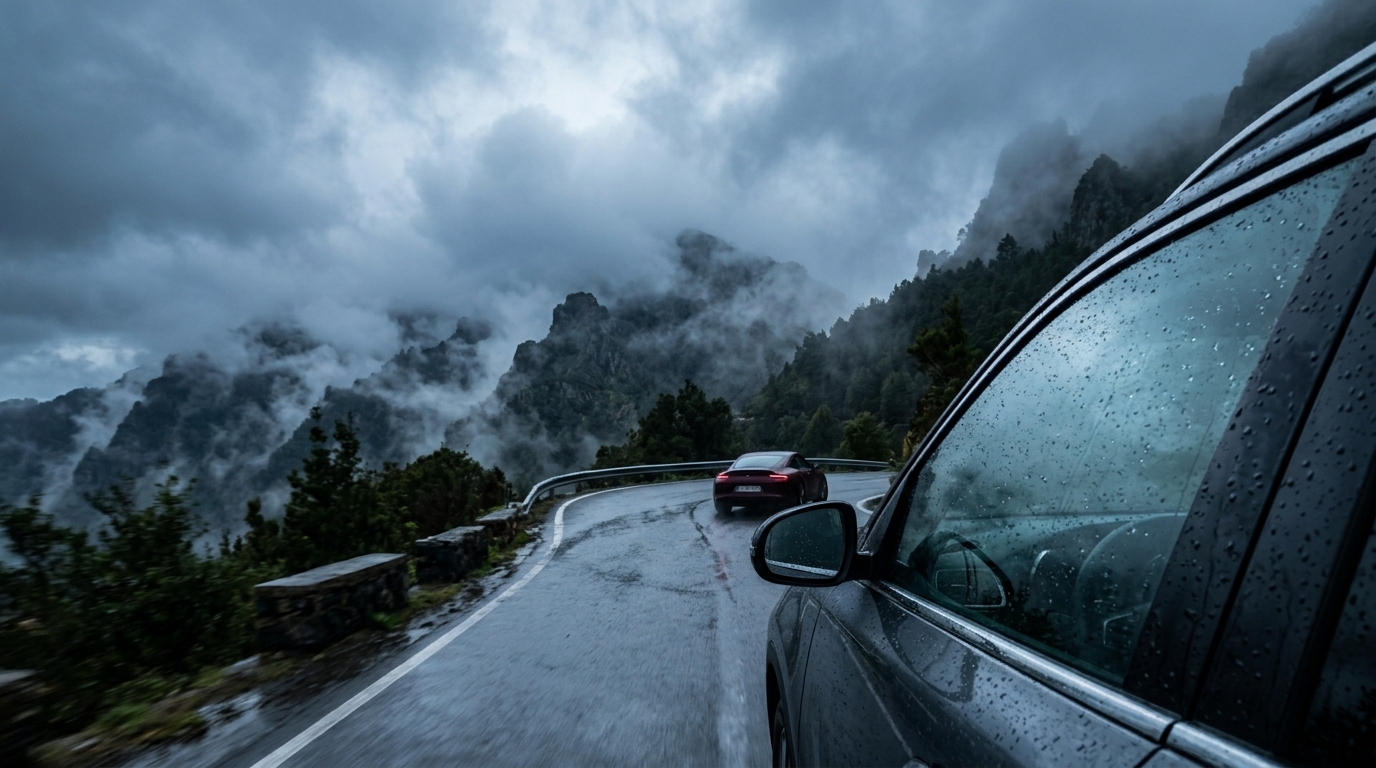
A Mountain Road Trip is one of the most rewarding ways to travel because it blends scenic beauty, freedom, and discovery into one journey. This guide explores the best destinations, practical planning tips, safety advice, and route ideas so travellers can enjoy breathtaking views with confidence, comfort, and lasting memories.
Why Mountain Travel Feels So Different
A Mountain Road Trip is not just about reaching a destination. It is about the emotional rhythm of the journey itself. Mountain roads slow people down in the best possible way, encouraging them to notice changing weather, dramatic landscapes, and the quiet beauty of each curve. That sense of movement creates anticipation, and anticipation is one of the strongest drivers of travel satisfaction.
Unlike ordinary highways, mountain routes ask travellers to stay present. The road can shift from forests to ridges, from cool mist to bright sunlight, from calm valleys to towering peaks. A Mountain Road Trip naturally appeals to people who want more than sightseeing. It offers a feeling of release, wonder, and personal achievement. Every viewpoint becomes a reward, and every turn can reveal a scene worth remembering.
Best Mountain Road Trip Destinations to Explore
1. The Swiss Alps
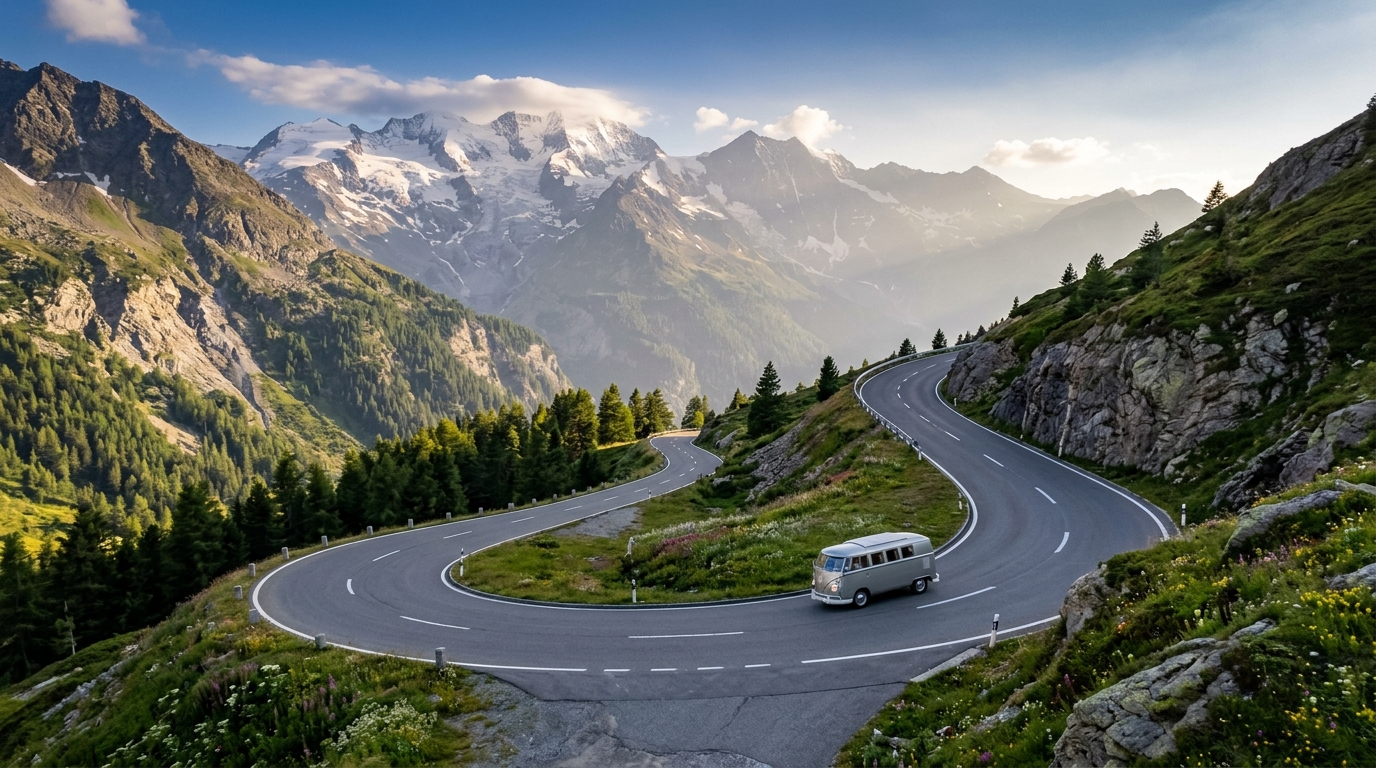
The Swiss Alps remain one of the most iconic choices for travellers who want dramatic scenery, smooth roads, and unforgettable alpine villages. This region combines postcard-perfect views with excellent infrastructure, making it ideal for both short scenic drives and longer touring experiences. A Mountain Road Trip here often includes snow-capped peaks, crystal lakes, and charming stops in towns that feel timeless.
2. Rocky Mountains, USA
The Rocky Mountains are perfect for travelers who enjoy wide-open spaces and changing elevations. From Colorado to Montana, the region offers national parks, wildlife, and winding roads that make each leg of the journey feel fresh. For many travelers, a Mountain Road Trip in the Rockies becomes a chance to reconnect with nature while enjoying some of the most accessible mountain scenery in North America.
3. Himalayas, India and Nepal
The Himalayas deliver a more adventurous and spiritual travel experience. Roads here are often more challenging, but the reward is extraordinary: ancient monasteries, deep valleys, remote villages, and views that stretch beyond imagination. A Mountain Road Trip through the Himalayas is ideal for experienced travelers who want a deeper cultural connection and a stronger sense of exploration.
4. Great Alpine Road, Australia
Australia’s alpine regions may surprise travelers who think only Europe or Asia offer epic mountain drives. The Great Alpine Road gives visitors a stunning mix of forests, high country, and seasonal landscapes. It is a beautiful choice for those who want a relaxed yet memorable Mountain Road Trip without the crowds found in more famous destinations.
5. Canadian Rockies
The Canadian Rockies are famous for turquoise lakes, jagged peaks, and roads that seem designed for scenic travel. Banff, Jasper, and the Icefields Parkway are especially popular with road trippers looking for a landscape that feels vast and untouched. A Mountain Road Trip here offers a strong balance of comfort, visual impact, and outdoor adventure.
6. Andes, South America
The Andes stretch across several countries and offer endless route possibilities. From Chile’s mountain passes to Argentina’s dramatic highland roads, this region is perfect for travelers who want scale, diversity, and cultural depth. A Mountain Road Trip in the Andes can feel both rugged and deeply rewarding, especially for those who enjoy long-haul exploration.
Best Routes and What Makes Them Special
| Destination | Best For | Travel Style | Signature Experience |
|---|---|---|---|
| Swiss Alps | Luxury scenic travel | Comfortable and polished | Lakes, peaks, alpine villages |
| Rocky Mountains | Nature lovers | Flexible and family-friendly | Wildlife, parks, broad vistas |
| Himalayas | Adventure seekers | Challenging and immersive | High passes, culture, spiritual sites |
| Great Alpine Road | Casual explorers | Relaxed and scenic | Forests, quiet roads, seasonal charm |
| Canadian Rockies | First-time mountain travelers | Easy to plan, highly scenic | Lakes, glaciers, national parks |
| Andes | Experienced road trippers | Long-distance adventure | High-altitude landscapes, local culture |
A Mountain Road Trip becomes easier to plan when the route has a clear purpose. Some travelers want luxury and comfort, while others want raw adventure or cultural immersion. Choosing the right route begins with knowing the kind of experience you want most.
How to Plan a Route That Fits Your Travel Style
The smartest Mountain Road Trip plans begin with realistic expectations. Mountain roads can take longer than expected because of altitude, weather, bends, and frequent stops for photos or rest. Travelers should never build an itinerary that feels rushed. Instead, they should allow more time than they would on flat highways.
The best planning strategy is to divide the trip into flexible segments. Identify the main driving days, then add scenic stops, meals, and overnight stays between them. A Mountain Road Trip should feel enjoyable, not compressed. This relaxed pacing reduces stress and gives travelers time to appreciate the surroundings rather than constantly worrying about the clock.
Scenic Drives That Work Well for First-Time Travelers
For beginners, the most important thing is confidence. Not every mountain route should be attempted by a first-time road tripper, especially if the roads are steep or weather conditions are unstable. The good news is that there are many routes that deliver beauty without overwhelming complexity. These are ideal for travelers looking for scenic mountain road trips for beginners.
The easiest beginner routes usually have good signage, frequent service stops, and well-maintained roads. They also tend to pass through towns or visitor centers where people can rest, refuel, and ask questions. A Mountain Road Trip for beginners should prioritize safety, simple navigation, and plenty of daylight driving.
Travel Safety and Smart Driving Habits
Mountain driving demands more care than urban or highway travel. Roads may narrow, curves may tighten, and visibility can shift quickly because of fog or rain. That is why safe mountain driving tips for travelers matter so much. Drivers should check brakes, tire pressure, fuel levels, and weather reports before every long stretch.
It is also wise to drive slower than usual and stay alert on downhill sections, where vehicles can gain speed quickly. A Mountain Road Trip is safer when travelers avoid nighttime driving in unfamiliar terrain. Fatigue is another risk, so regular breaks are essential. Careful driving is not about fear; it is about respect for the road.
What to Pack for Better Comfort
Good packing can turn a stressful trip into a smooth one. Clothing should be layered because temperatures often change quickly in mountain regions. Travelers should pack water, snacks, a flashlight, chargers, maps, a first-aid kit, and basic vehicle tools. Weather protection is also important, especially if the route includes sudden rain or cold conditions.
An organized bag keeps the trip efficient and calm. A Mountain Road Trip works best when travelers can reach essentials without searching through luggage at every stop. Packing thoughtfully also helps with unexpected delays, which are common in higher elevations or remote areas.
Seven-Day Road Trip Planning Structure
A Mountain Road Trip itinerary becomes much easier to manage when it follows a balanced rhythm. The ideal structure includes driving, rest, exploration, and flexibility. This creates a journey that feels satisfying rather than exhausting.
A mountain road trip itinerary for 7 days can be planned like this:
- Day 1: Arrival, vehicle check, easy local exploration
- Day 2: Scenic drive to the first major viewpoint
- Day 3: Cultural stop in a mountain town
- Day 4: Longest driving day with multiple scenic breaks
- Day 5: Hiking, photography, or lake visit
- Day 6: Leisure day with a shorter route
- Day 7: Return travel and reflection
This structure works because it creates momentum without overload. A Mountain Road Trip should feel like a story unfolding, not a race to the finish.
Preparing for Altitude and Physical Comfort
High elevations affect people differently, so preparation matters. Travelers may feel shortness of breath, fatigue, headache, or lower energy levels when they reach higher altitudes. It helps to drink water regularly, avoid overexertion on the first day, and give the body time to adjust. Learning how to prepare for high altitude road trips can prevent discomfort and keep the trip enjoyable.
A Mountain Road Trip in elevated regions becomes easier when travelers listen to their bodies. Rest, hydration, and gradual movement make a real difference. Those with medical concerns should consult a professional before visiting extreme elevations. Preparation protects the experience.
Checklist for a Smooth Journey
A clear packing and planning system reduces mistakes. An essential checklist for mountain road trips should include vehicle maintenance, navigation tools, emergency supplies, warm clothing, snacks, hydration, and accommodation confirmation. Travelers should also check road closures, fuel availability, and local weather before departure.
The best checklists are simple but complete. A Mountain Road Trip becomes more enjoyable when the basics are already covered. Instead of worrying about forgotten items, travelers can focus on views, conversations, and the excitement of the road ahead.
Common Mistakes Travelers Should Avoid
Many mountain trips become stressful because of avoidable mistakes. One common issue is overpacking the schedule. Mountain roads often take longer than expected, so planning too many stops can create pressure. Another mistake is ignoring weather forecasts, especially in areas where conditions change suddenly.
Some travelers also underestimate the importance of vehicle readiness. A Mountain Road Trip is not the right time to discover brake issues, worn tires, or low fluids. Others drive too aggressively on curves or downhill paths. Staying patient, prepared, and flexible helps prevent most of these problems.
How to Make the Trip More Memorable
Small details can transform a drive into an unforgettable experience. Travelers can stop at viewpoints, take photographs at sunrise or sunset, and choose local food along the route. Conversations, music, and quiet pauses also add depth to the journey. The most beautiful memories often come from unexpected moments rather than planned attractions.
A Mountain Road Trip becomes special when travelers stay curious. A detour to a hidden waterfall, a conversation with a local shop owner, or a quiet stop beside a ridge can become the highlight of the trip. Presence matters as much as the destination.
Best Time to Travel
Timing plays a major role in mountain travel. Spring and early autumn are often ideal because weather tends to be milder and roads are easier to navigate. Summer offers longer daylight hours, which helps with sightseeing. Winter can be beautiful too, but it requires more caution and preparation.
Choosing the right season depends on your goals. A Mountain Road Trip for photography may be best in clear weather, while a cozy winter drive may appeal to travelers who want snow-covered scenery. The key is matching the season to the experience you want.
For Travelers Who Want a Deeper Scenic Experience
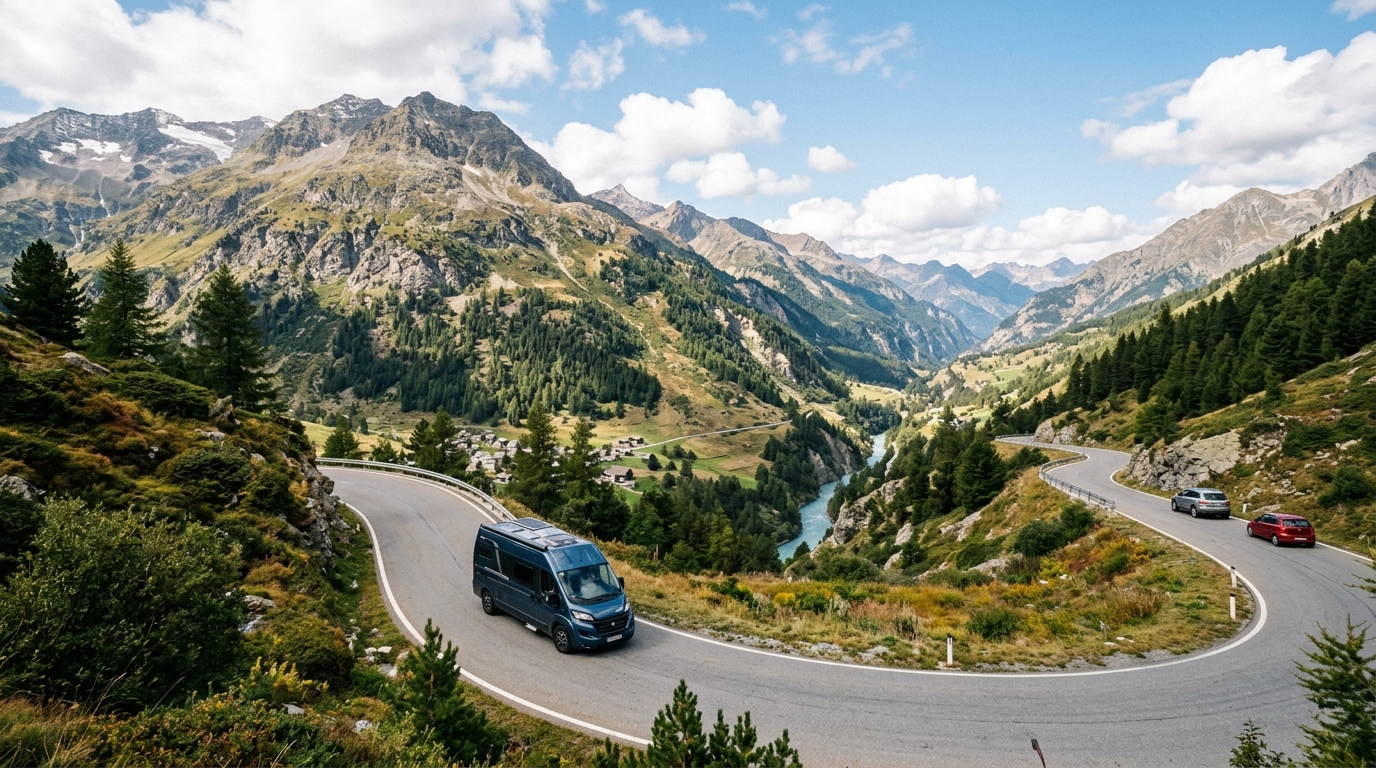
A Mountain Road Trip is especially powerful for travelers who want to slow down and reconnect with nature. The rhythm of the road encourages reflection. The scale of the landscape creates perspective. The sense of movement through changing terrain makes the experience feel larger than everyday life.
That is why many people return to mountain travel again and again. A Mountain Road Trip offers something rare: beauty, freedom, challenge, and peace in one journey. Few travel styles feel as complete.
FAQ
1. What makes a mountain road trip different from other road trips?
A mountain road trip stands out because the scenery changes quickly, the roads are more dynamic, and the trip often feels more immersive. Travelers experience elevation, curves, weather shifts, and dramatic landscapes that make the journey itself part of the adventure.
2. Is a mountain road trip good for beginners?
Yes, but beginners should choose well-maintained routes with good signage, frequent stops, and manageable driving conditions. It is best to start with shorter routes before attempting more remote or high-altitude roads.
3. What should I check before driving in the mountains?
Check brakes, tires, fuel, fluid levels, weather forecasts, road closures, and emergency supplies. These basic steps reduce risk and help the trip stay comfortable and predictable.
4. How do I avoid altitude sickness on a mountain trip?
Drink water, avoid overexertion on the first day, move at a steady pace, and allow time for acclimatization. If you have medical concerns, speak with a healthcare professional before traveling to high elevations.
5. What is the best season for mountain travel?
Spring and autumn are usually the most balanced seasons because they offer good weather and scenic beauty. Summer is also popular for long daylight hours, while winter requires extra preparation and caution.
6. How can I make mountain driving safer?
Drive slower than usual, stay alert on downhill roads, avoid nighttime driving when possible, and take regular breaks. Safe driving is especially important when weather or visibility changes quickly.
7. What type of vehicle is best for mountain roads?
A reliable vehicle with good brakes, strong tires, and enough power for steep roads is ideal. Depending on the destination, all-wheel drive or four-wheel drive can be helpful, especially in remote or snowy regions.
8. How long should a mountain road trip last?
That depends on the route and your goals. A short trip may last two or three days, while a more immersive journey can easily run a full week or longer. The best trip length is one that allows for both driving and rest.
9. What should be in my travel bag?
Water, snacks, warm layers, chargers, a map, a flashlight, a first-aid kit, and basic vehicle supplies are all useful. The goal is to stay ready for weather changes, delays, and remote stretches.
10. How do I choose the right mountain destination?
Choose based on your driving confidence, travel time, budget, and preferred style of experience. Some travelers want luxury and comfort, while others want adventure or cultural discovery. Matching the destination to your goals creates a better trip.
Conclusion
A Mountain Road Trip gives travelers something rare: the chance to move through beautiful landscapes while still feeling connected to every moment. The best journeys are not rushed. They are prepared with care, driven with patience, and experienced with curiosity. When you choose the right route, pack wisely, and respect the road, the trip becomes more than transportation. It becomes a memory shaped by views, freedom, and discovery. For travelers seeking meaning as much as scenery, a Mountain Road Trip is one of the most rewarding ways to explore the world.


Leave a Reply