

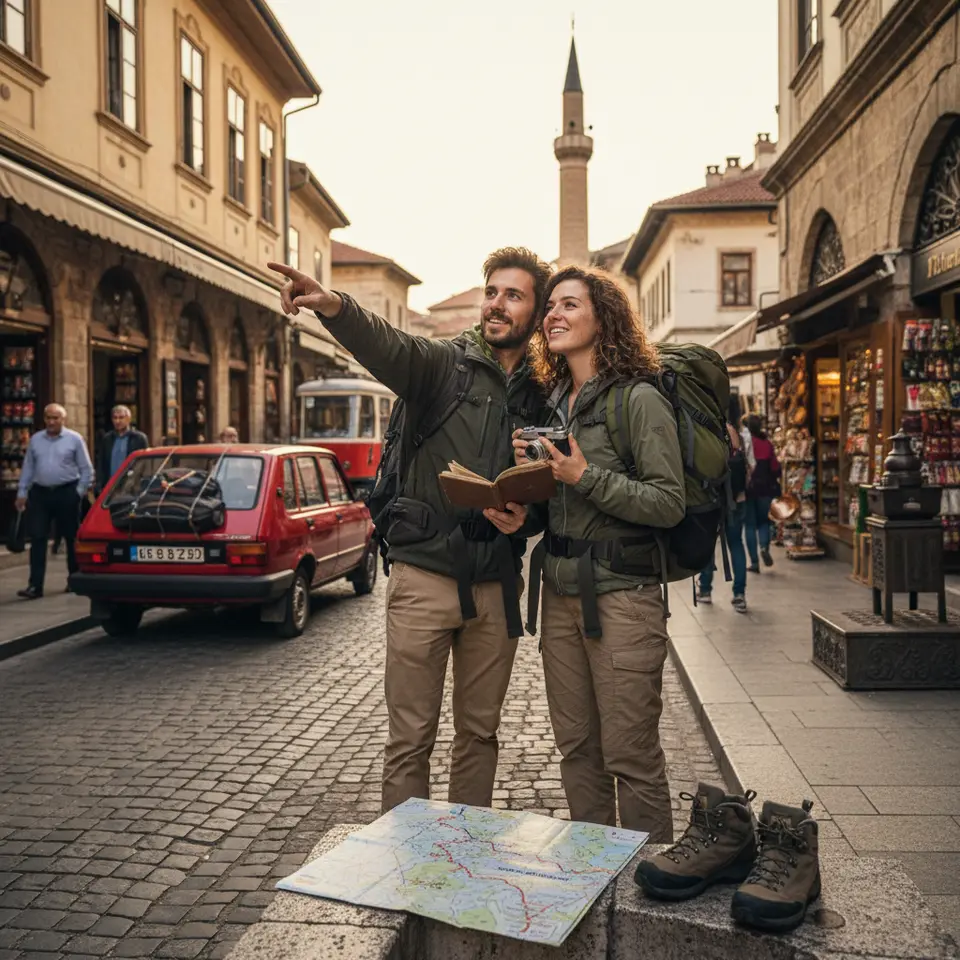
Embarking on a Balkan road trip itinerary offers a rare opportunity to weave through centuries-old cities, sun-kissed coastlines, and dramatic mountain passes—all within a single two-week adventure. Today’s route spans four captivating countries, inviting travelers to savor Ottoman bazaars in Sarajevo, witness architectural splendors in Mostar, wander Dubrovnik’s famed ramparts, and relax on Albania’s untouched shores. Covering roughly 1,500 miles, this journey blends cultural immersion with scenic drives, serving up local delicacies like Bosnian ćevapi, Dalmatian seafood, and Albanian citrus delights. Whether you’re drawn by history, culinary exploration, or panoramic coastal vistas, this Balkan road trip itinerary delivers an unmatched tapestry of experiences.
In today’s digital landscape, planning an in-depth itinerary can be daunting. This guide breaks down each segment into manageable drives of 2–4 hours per day, complete with must-see attractions, accommodation pointers, and essential tips for border crossings and road conditions. By following this carefully curated path, you’ll optimize your time, balance adventure with relaxation, and create lasting memories across Southeast Europe. As you buckle up and set out on the open road this year , let this comprehensive plan be your trusted companion to a truly unforgettable Balkan escapade.
Exploring Sarajevo: Gateway to the Balkans
The journey begins in Sarajevo, a city where East meets West in a captivating fusion. After collecting your rental car at Sarajevo International Airport, head to the historic Baščaršija quarter. Here, narrow streets lead to centuries-old workshops, aromatic coffee houses, and the majestic Gazi Husrev-beg Mosque. Sipping traditional Bosnian coffee beside the Miljacka River is a sensory immersion—thick, sweet, and served with a glass of cold water to cleanse the palate.
Cultural Highlights
Within walking distance, you’ll discover Austro-Hungarian architecture side by side with Ottoman minarets. The Latin Bridge marks the assassination site that sparked World War I, while the Yellow Fortress offers a panoramic backdrop of red-tiled roofs against the surrounding hills. For a deeper dive into more recent history, visit the Tunnel of Hope museum, an underground passage that sustained the city during the siege. Official details can be referenced at Bosnia and Herzegovina Tourism.
Local Flavors
Lunch at a traditional ćevabdžinica reveals Sarajevo’s culinary soul in its most authentic form. Here, freshly grilled plump minced meat sausages—known as ćevapi—are served hot and juicy, tucked inside soft lepinja bread, and generously topped with finely chopped onions and rich, creamy kajmak. The smoky aroma from the grill fills the air, blending with the bustling energy of locals and travelers sharing wooden tables. Pair your meal with a glass of ayran or a strong Bosnian coffee to complete this deeply traditional dining experience.
After lunch, take a relaxing stroll toward Vrelo Bosne Park, one of Sarajevo’s most peaceful natural escapes. Located at the foot of the Ilidža springs, this green oasis is filled with tree-lined pathways, crystal-clear spring waters, and charming wooden bridges. Visitors can rent a small rowboat and glide gently across the calm waters while being surrounded by towering chestnut trees and fresh mountain air. It’s an idyllic retreat that feels far removed from the city’s lively center, offering a moment of calm reflection and natural beauty.
As the sun begins to set, return to the heart of Sarajevo’s historic district, Baščaršija, where the city’s Ottoman charm truly comes alive. Narrow cobblestone streets glow under golden lantern light as you settle into a traditional restaurant for a multi-course dinner. Enjoy slow-cooked sarma (cabbage rolls filled with minced meat and rice), grilled ćevapi, and seasonal local side dishes, all paired with regional wines or herbal teas. The evening atmosphere is enriched by the sound of sevdah music drifting from intimate cafés, where musicians perform soulful melodies that reflect Bosnia’s deep emotional heritage.
To end the night, indulge in sweet, syrupy baklava or other Ottoman-inspired desserts while soaking in the warm, nostalgic glow of lantern-lit streets. In Sarajevo, evenings are not rushed—they are meant to be savored, whether through music, conversation, or simply wandering through Baščaršija’s timeless ambiance.
Medieval Marvels: Mostar and Blagaj
Depart Sarajevo early to tackle the scenic 2.5-hour drive along twisting mountain roads toward Mostar. Renowned for Stari Most, the 16th-century Ottoman bridge spanning the emerald Neretva River, Mostar is a living UNESCO World Heritage site; explore further at the official registry UNESCO World Heritage Centre.
Stari Most and Old Town
Wander cobbled lanes in the Old Town, framed by white limestone houses and artisan workshops. Watch fearless divers hurl themselves from the bridge into the deep, chilly current below. Riverside cafés serve freshly caught trout, grilled over charcoal, alongside warm, fluffy bread—an ideal way to break for lunch.
Blagaj’s Serenity
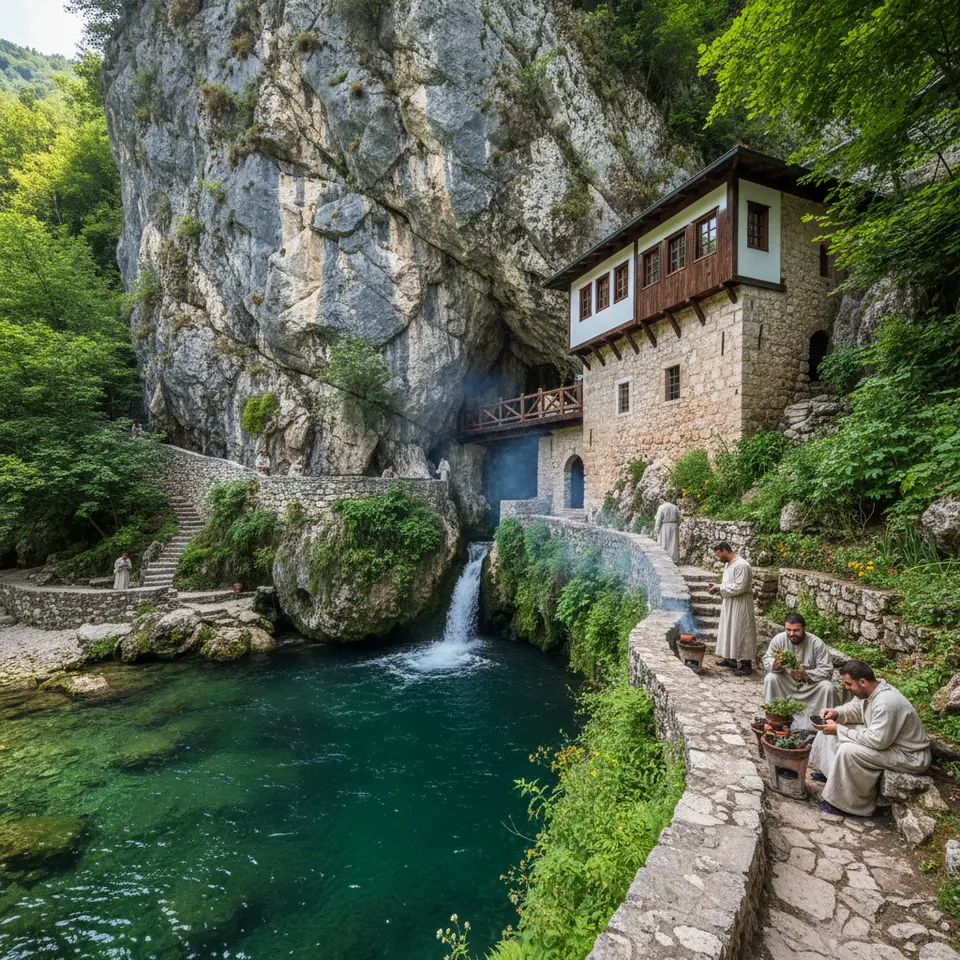
Just 15 minutes away lies Blagaj Tekke, an Ottoman-era dervish monastery perched beneath a towering cliff beside a cool spring. Step onto stone terraces overlooking crystal water bubbling forth from the rock face. Sample aromatic herbal infusions brewed by resident monks, then explore hidden alcoves and the small chapel tucked within the cliff.
Return to Mostar by dusk to witness how sunset light transforms the Old Bridge into a glowing arch. Opt for boutique guesthouses perched above the river for unbeatable views and local hospitality that feels like home.
Adriatic Allure: Dubrovnik and Croatia’s Coast
Crossing into Croatia, the coastal road unfurls toward Dubrovnik in roughly 2.5 hours. Often dubbed the “Pearl of the Adriatic,” Dubrovnik enchants with fortified walls, terracotta rooftops, and azure sea vistas.
Walking the Walls
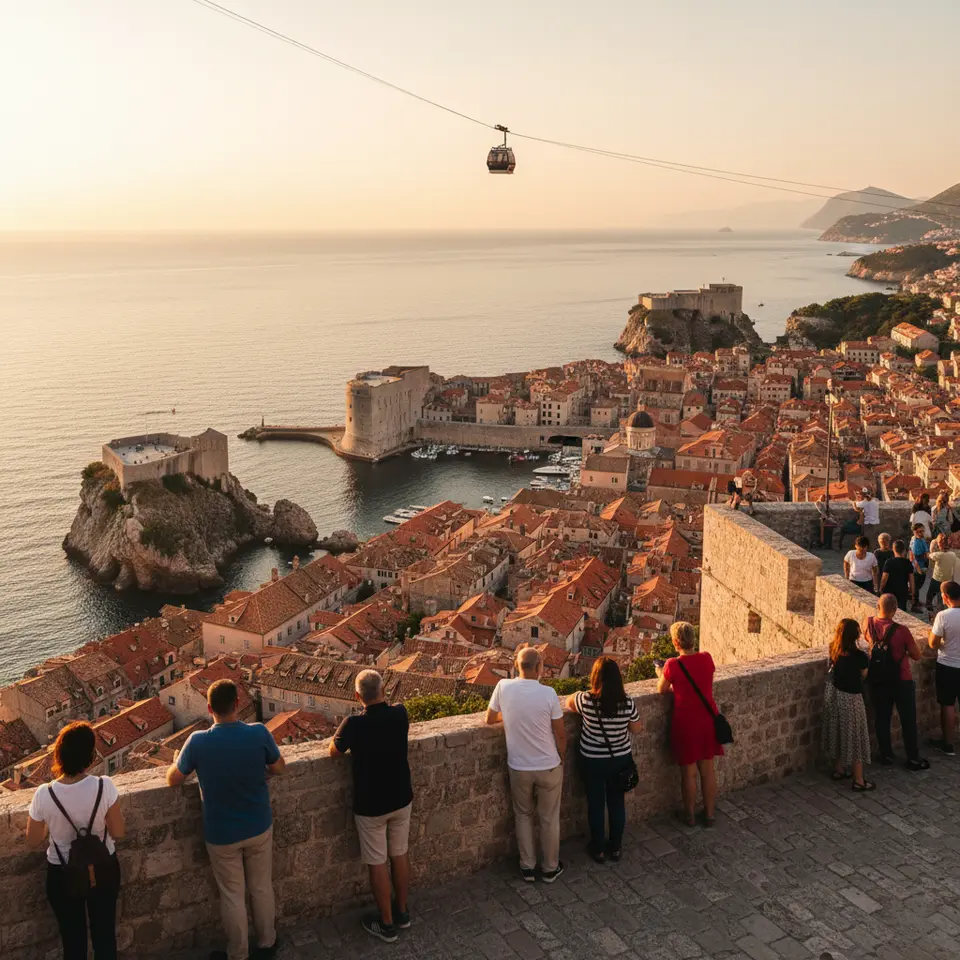
Park outside Pile Gate and enter the Old Town on foot. Circling the city walls reveals panoramic perspectives: fortresses perched on rocky outcrops, hidden grottos, and endless sea horizons. Sunset photogs gravitate to Lovrijenac Fortress for dramatic golden-hour snapshots.
After your perimeter walk, meander along Stradun, the main limestone promenade lined with cafés and gelaterias. Seek out cozy konobas hidden down narrow alleys for plates of spaghetti with fresh clams or black risotto infused with cuttlefish ink.
Islands and Vistas
On day two, ascend Mount Srđ via cable car for sunrise views that span Dubrovnik’s rooftops and the archipelago beyond. Later, catch a ferry to Lokrum Island, a nature reserve teeming with peacocks, botanical gardens, and a secluded saltwater lagoon known as the Dead Sea. Return for an evening sampling local wines at a rooftop bar overlooking the harbor, then join a guided ghost tour to uncover centuries-old legends and medieval tales hidden in the shadowy streets.
From Kotor’s Fjords to Albania’s Mountains
A short border crossing into Montenegro leads you to the Bay of Kotor, a fjord-like inlet rimmed by dramatic peaks. The drive takes about two hours, delivering you to Kotor’s medieval Old Town, encircled by ancient walls.
Kotor Exploration
Lose yourself in a labyrinth of narrow streets, glimmering squares, and centuries-old churches. Climb toward the Fortress of San Giovanni to savor sweeping views of red rooftops, cathedral domes, and the bay’s shimmering waters. On the quay, sample local prosciutto, aged cheese, and olives sold by friendly market vendors.
Island Pilgrimage
Board a wooden boat to cross the bay to Perast, where Baroque palazzos line narrow canals. Visit Our Lady of the Rocks, a tiny islet crowned by a quaint church and maritime museum. At sunset, watch lanterns glow as tradition dictates that sailors light candles for safe passage home.
Continuing south, enter Albania this year for a dramatic change of pace. Mountain roads wind toward Tirana, where colorful façades, bustling bazaars, and modern art contrast with Cold War-era bunkers now repurposed into galleries like Bunk’Art.
Practical Planning: Tips for a Smooth Journey
Executing a multi-country road trip in the Balkans requires foresight. Below are key considerations to keep your itinerary on track.
Border Crossings and Documentation
- Carry valid passport and any required visas. Some countries accept ID cards for EU nationals, but always verify before departure.
- Keep your rental agreement and insurance documents handy; border officials often request to see proof of vehicle coverage.
- Allow extra time—customs checks can take up to an hour during peak periods.
Road Conditions and Fuel
- Main highways are generally well maintained, but mountain passes may be narrow and winding. Drive cautiously, especially in adverse weather.
- Fuel stations become sparse in remote stretches; refill in larger towns. Expect prices around €1.30–€1.50 per liter.
- Tolls apply on certain Croatian motorways—purchase electronic passes in advance to avoid queues.
Connectivity and Currency
- Purchase a regional SIM card or eSIM at the airport for seamless data across borders. Free Wi-Fi is widespread in hotels and cafés.
- Carry local currency: Bosnia (BAM), Croatia (HRK), Montenegro (EUR), Albania (ALL). Small coins facilitate parking and toll payments.
Packing Essentials
Layered clothing suits unpredictable mountain-to-coast temperatures. Include swimwear for Dalmatian beaches and sturdy walking shoes for cobbled streets. Don’t forget sun protection, a rain jacket, and a basic first-aid kit. A car phone mount, power bank, and reusable water bottle will enhance comfort on long drives.
Conclusion
A Balkan road trip is one of the most rewarding ways to experience Europe’s rich cultural diversity, dramatic landscapes, and historic cities in a single journey. From Sarajevo’s Ottoman charm to Dubrovnik’s coastal beauty and Albania’s untouched shores, every stop adds a new layer to your adventure. By embracing the spirit of Micro-Adventures, even short drives, hidden viewpoints, and spontaneous detours become meaningful highlights of your trip.
This route is not just about covering distance—it’s about slowing down, exploring deeply, and enjoying each moment on the road. Whether you’re walking ancient streets, tasting local cuisine, or crossing mountain passes, your Balkan road trip becomes a collection of unforgettable Micro-Adventures. With proper planning and an open mindset, this journey through Southeast Europe transforms into a perfect balance of exploration, culture, and discovery.



Leave a Reply