

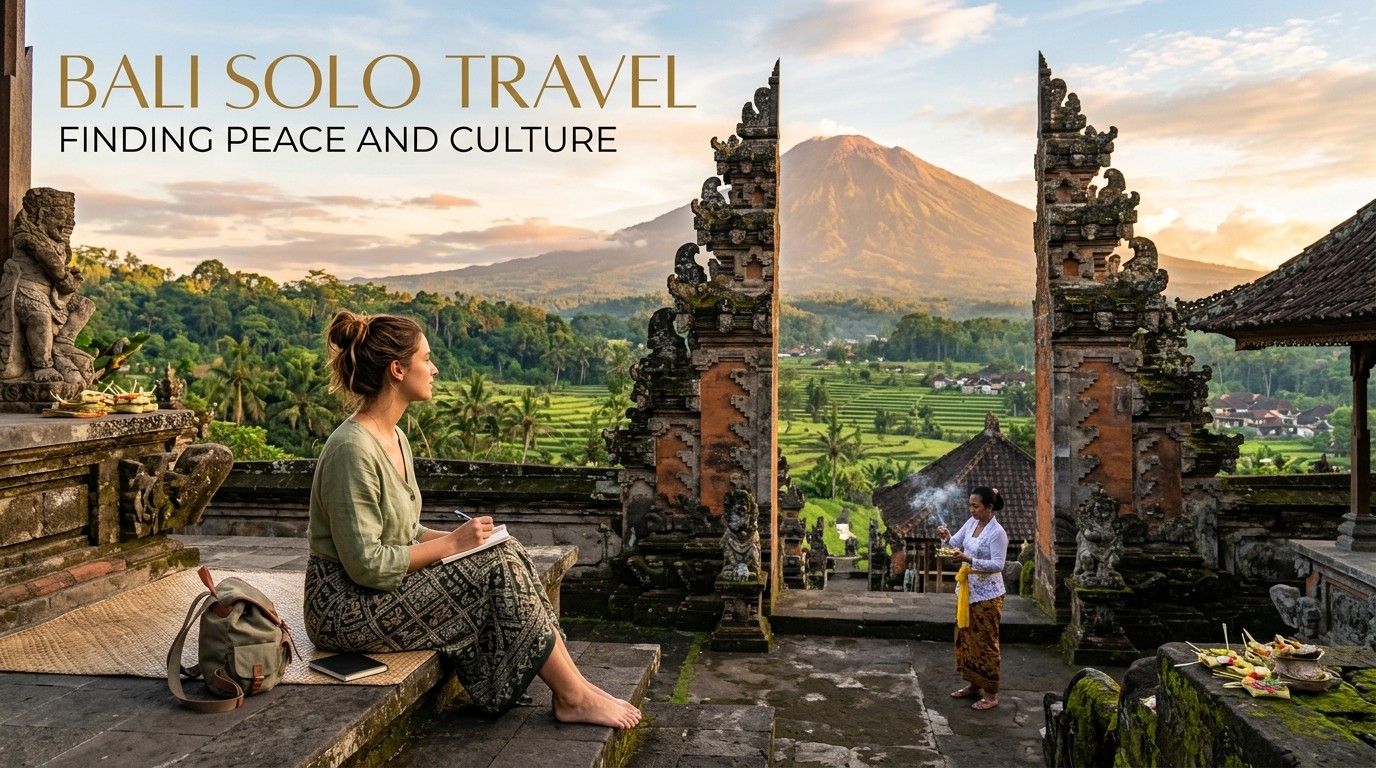
Bali Solo Travel can feel like a reset for the mind and a soft invitation into temples, rice terraces, beach sunsets, and slow mornings that make solo time feel meaningful.
Bali Solo Travel works well for people who want both quiet and stimulation in the same trip. The island gives you meditative mornings, meaningful cultural encounters, and easy ways to meet people without forcing social energy. That balance matters because solo travelers often want freedom, but not loneliness. Bali offers that balance through yoga studios, cafés, beaches, ceremonies, and walkable neighborhoods where the day can unfold at a relaxed pace.
A big reason Bali Solo Travel feels peaceful is the way the island encourages slower attention. Instead of rushing from one landmark to another, you can build days around small experiences: sunrise walks, a long breakfast, a temple visit, a rice-field pause, and an evening meal under warm light. That kind of rhythm helps solo travelers hear their own thoughts again. It also gives room for reflection, which is one of the quiet rewards of travel alone.
Where to Begin Your Trip
If this is your first time doing Bali Solo Travel, Ubud is often the easiest starting point because it blends culture, wellness, and easy sightseeing. You can spend time around rice terraces, art markets, yoga studios, and cafés, then slow down in the evenings instead of chasing nightlife. Canggu, by contrast, feels more social and modern, while Sanur feels gentler and more beach-oriented. Each area gives Bali Solo Travel a different emotional tone.
For travelers who want more natural scenery and less traffic, Sidemen and Munduk offer a quieter side of the island. These places can make Bali Solo Travel feel more reflective, almost like a retreat rather than a standard vacation. If the goal is to meet people, enjoy easy transport, and stay near many amenities, Ubud or Canggu is usually the simplest base. If the goal is solitude, the calmer inland areas often work better.
Culture Is the Heart of the Trip
Bali Solo Travel becomes richer when you treat culture as part of the journey rather than a side activity. Bali is deeply shaped by Hindu rituals, offerings, temple life, and a strong sense of local rhythm. That means a respectful traveler will notice small daily details: flowers on sidewalks, incense near doorways, processions on village streets, and temple ceremonies that may appear spontaneous but are part of a living tradition. Bali’s official guidance asks visitors to respect temples, sacred objects, customs, and ceremonial spaces, and to dress modestly and behave politely in sacred and public areas.
That cultural layer is one reason Bali Solo Travel feels more meaningful than a simple beach trip. You are not just observing scenery; you are stepping into a place where daily life and spiritual life overlap. The best solo travelers do not rush through the cultural moments. They pause, listen, and let the island teach them the pace of local respect. That patience turns ordinary sightseeing into a more memorable, grounded experience.
Entry Requirements and Practical Planning
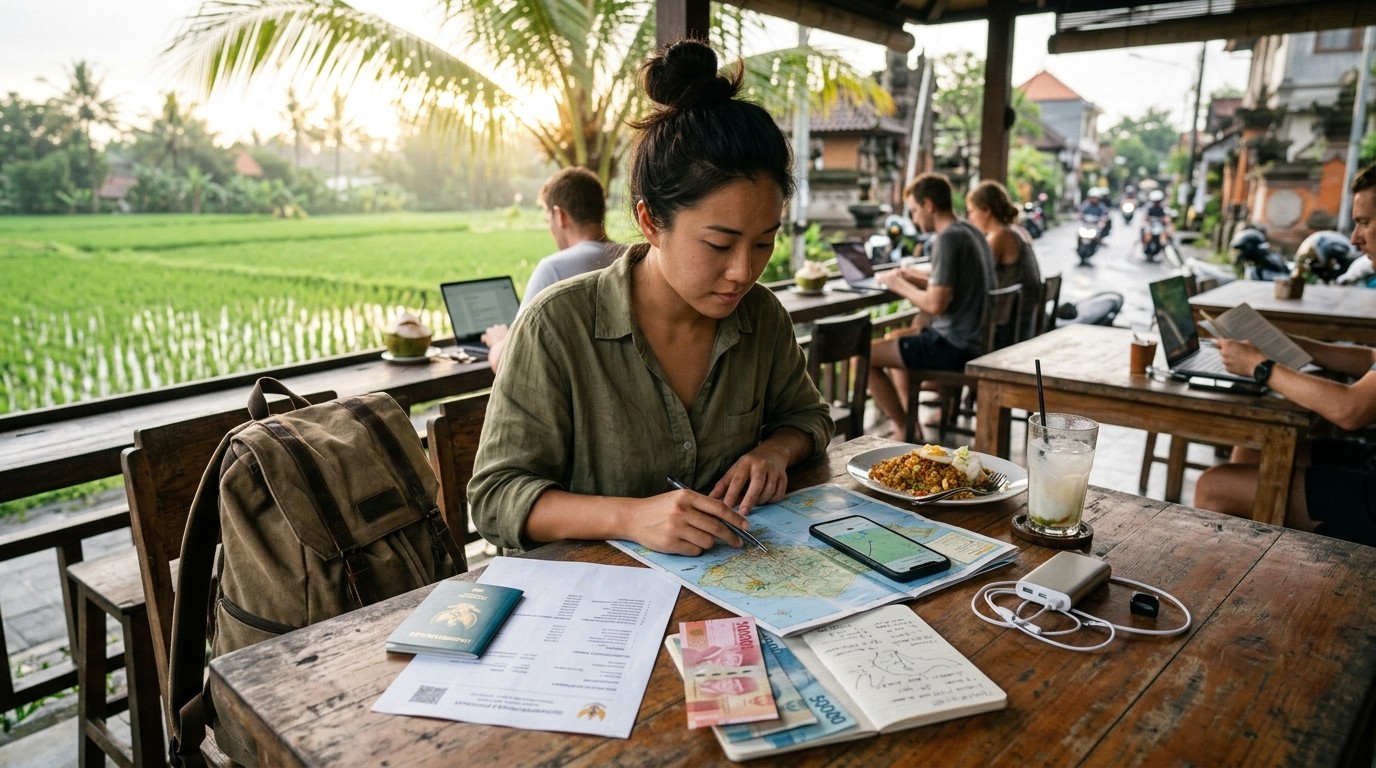
Before starting Bali Solo Travel, check the latest entry and arrival requirements. Official Indonesian immigration pages provide the e-Visa on Arrival path, and current guidance notes that travelers should have a passport valid for at least six months, a recent photo, and a return or onward ticket. The official eVisa portal is the source to use for visa applications and status tracking.
Travelers entering Bali should also be aware of the mandatory Bali Tourism Levy. The official Love Bali site states that international tourists are required to pay IDR 150,000 per person before or during their stay. The official site is the payment source to trust, and it exists to support cultural and environmental protection.
Depending on arrival point and current rules, some travelers may also need to complete the All Indonesia digital arrival declaration before entry. Official government pages describe it as a digital arrival reporting system that supports customs and immigration processing, and the official app is available through Indonesian government channels.
Staying Safe Without Losing Freedom
Bali Solo Travel is generally manageable for solo travelers when common-sense habits are in place. Official travel advisories for Indonesia encourage travelers to review local laws, respect customs, and follow official warnings. The overall tone of these advisories is not alarmist; it is practical. They remind travelers to stay alert, especially in busy places, and to treat local guidance seriously.
That matters because solo travel is best when it feels free, not careless. For Bali Solo Travel, a good safety routine might include sharing your accommodation details with someone at home, using licensed transportation, keeping cash and documents separated, and being selective about late-night movement. You do not need to travel in fear. You only need to travel with enough awareness to keep your choices open.
Getting Around the Island
Transportation changes the experience of Bali Solo Travel more than many first-time visitors expect. A short distance on the map can take a long time on the road, especially in busy regions. Because of that, many solo travelers find it easier to combine taxis, ride-hailing, private drivers, and short walking segments rather than trying to drive everywhere themselves. In practical terms, the island feels more relaxing when transport is treated as part of the experience instead of a source of pressure.
If you are comfortable riding a scooter and legally able to do so, that can create flexibility, but it also demands full attention. If not, a driver for day trips can be a smart investment because it removes navigation stress and leaves more energy for the actual destination. For Bali Solo Travel, the simpler the transport plan, the more peaceful the trip usually feels.
Best Places for a Peaceful Itinerary
A thoughtful Bali Solo Travel itinerary usually includes at least one cultural center, one beach zone, and one quieter nature area. Ubud gives you temples, rice terraces, yoga, craft markets, and a slower inland mood. Uluwatu adds cliffs, ocean views, and sunset energy. Sanur softens the pace with calm shoreline time. Sidemen or Munduk adds a sense of quiet escape that balances the busier parts of the island.
For many travelers, Bali Solo Travel feels most satisfying when the route does not try to cover everything. Two or three strong bases often create a better trip than four or five rushed stops. That allows the mind to settle, which is especially valuable for a solo journey. A slower route leaves room for spontaneous discoveries, which are often the memories people keep longest.
A Simple 7-Day Plan
Day one of Bali Solo Travel can be gentle: arrival, check-in, a long meal, and an early night. The first day is better used for orientation than ambition. Day two can focus on Ubud markets, a temple visit, or a rice terrace walk. Day three can slow down even more with a café morning, a spa session, or a yoga class. The point is not to rush.
By day four, Bali Solo Travel can shift toward a beach area like Sanur or Canggu depending on your mood. Day five can include a day trip to a cultural site or a waterfall. Day six can be a quiet reset day with journaling, reading, and a sunset dinner. Day seven should be light and flexible so departure does not feel abrupt. A soft ending often makes the whole trip feel more restorative.
Food, Wellness, and Daily Rhythm
Part of the appeal of Bali Solo Travel is the way daily life can feel nourishing without being expensive or complicated. Fresh fruit, rice-based dishes, local warungs, smoothie bowls, coffee culture, and herbal teas create a steady rhythm for the day. This is one reason solo travelers often feel comfortable in Bali: it is easy to eat alone without feeling out of place. The island also has a strong wellness culture, so yoga, massage, breathwork, and sound healing fit naturally into the trip.
The right daily rhythm can do a lot for mood. Bali Solo Travel feels calmer when mornings begin slowly, afternoons include one meaningful outing, and evenings close without too much stimulation. That balance is ideal for solo travelers who want the trip to feel restorative rather than exhausting. A full day does not have to be a packed day.
Budgeting Smartly
Budget is another reason Bali Solo Travel is attractive to many travelers. A solo trip can be shaped to fit a wide range of styles, from simple guesthouses and local meals to boutique stays and private drivers. The key is deciding which parts of the trip deserve more spending and which parts can stay modest. Many travelers spend more on comfort in the first few nights, then relax their budget once they understand the island’s rhythm.
A useful approach is to budget for three things first: a comfortable room, reliable transport, and the experiences that matter most to you. Everything else can stay flexible. That makes Bali Solo Travel feel freer because the trip is not controlled by anxiety about every small purchase. Spending intentionally usually creates more satisfaction than trying to make every part of the trip equally cheap.
Respect and Etiquette Matter
The cultural side of Bali Solo Travel is not difficult to honor, but it does require attention. The strongest habit is simple: dress modestly at temples, follow posted rules, and respect ceremonies without trying to turn them into a performance. Bali’s official tourism guidance repeatedly emphasizes temple respect, modest dress, polite behavior, and attention to local customs.
That respect pays off in more ways than one. When visitors move with care, locals are often warm, helpful, and welcoming in return. For Bali Solo Travel, that creates a better emotional experience because the trip feels reciprocal rather than extractive. Solo travel becomes more peaceful when you remember that you are a guest inside a living culture, not a spectator outside it.
Comparing Bali With Other Solo-Friendly Trips
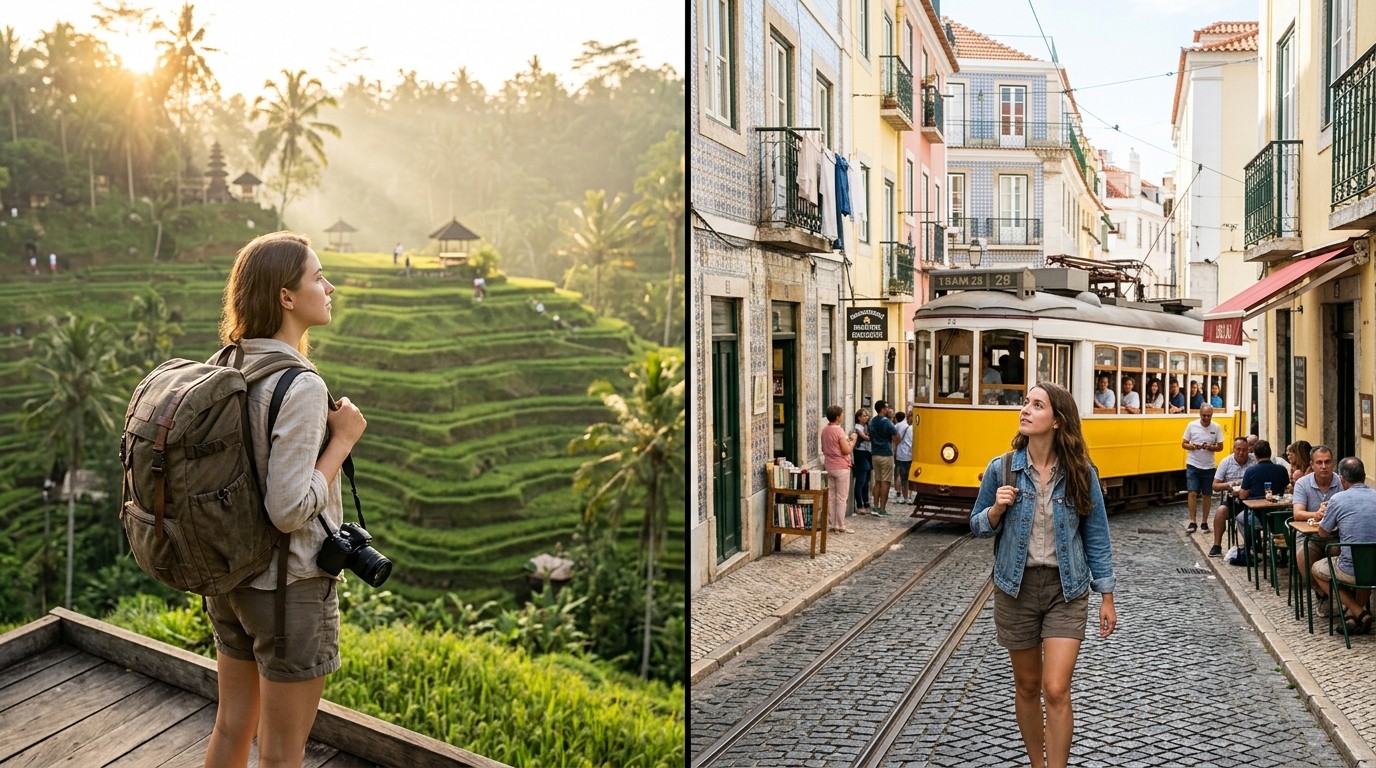
Many travelers compare Bali Solo Travel with other destinations when planning their next trip. Solo Travel Costa Rica often appeals to people who want wildlife, jungle energy, and adventure, while Best Asia Solo Travel Destinations is a broader search for travelers who want culture, affordability, and easy solo movement. Bali sits comfortably in that second group because it blends cultural depth, beach access, wellness, and enough infrastructure to make solo travel feel approachable.
That comparison is helpful because it clarifies why Bali stands out. Bali Solo Travel is not only about scenery. It is also about emotional balance. A destination can be beautiful and still feel tiring. Bali is attractive because it offers beauty without making every day feel like a logistical puzzle. That combination is what many solo travelers are actually looking for.
How to Keep the Trip Peaceful
A peaceful solo trip is usually designed, not accidental. Bali Solo Travel becomes more restorative when you protect white space in the itinerary, avoid overbooking tours, and leave open time for movement, rest, and reflection. It also helps to limit the number of “must do” items. The more rigid the plan, the less room there is for the small unplanned experiences that make solo travel feel alive.
Another useful habit is to anchor each day around one meaningful experience. That could be a temple visit, a rice terrace walk, a long café morning, or a sunset by the sea. The rest of the day can stay loose. That structure keeps Bali Solo Travel spacious instead of frantic, which is usually what people remember as “peaceful” after they come home.
Travel Hacking, Comfort, and Smart Choices
Some travelers like to reduce cost through Travel Hacking Miles, while others focus on comfort and convenience first. Either way, smart planning makes Bali Solo Travel easier because it lowers stress before the trip begins. A good flight, a well-located stay, and the right transfer from the airport can change the first impression of the entire journey. The smoother the arrival, the faster the mind relaxes.
Overseas Adventure Travel can be a useful mindset even if you are traveling independently, because it encourages preparation without turning the trip into a rigid package. For Bali Solo Travel, the useful version of “adventure” is not danger; it is openness. You can keep the journey structured enough to feel secure while still leaving room for surprise. That balance is where Bali really shines.
Where Solitude Feels Easiest
The quieter corners of the island are often where Bali Solo Travel feels most restorative. Inland villages, calm beach towns, and nature-focused areas let the mind slow down. You can wake up, stretch, read, journal, and then wander into the day without urgency. That kind of solitude is not empty. It is full of sensory detail: birds, temple bells, motorbikes in the distance, incense smoke, and the sound of waves or rain depending on where you are.
For travelers who want a deeper pause, choosing a quieter base matters more than trying to “find peace” in the middle of a crowded area. Bali Solo Travel is easiest when the environment already supports stillness. That way the travel experience does not have to fight the surroundings in order to feel calm.
Packing for Comfort and Respect
Packing for Bali Solo Travel is less about volume and more about usefulness. Light clothes, a cover-up for temples, comfortable walking footwear, sunscreen, insect repellent, a reusable water bottle, and a small day bag are often more valuable than extra outfits. Since temple visits and cultural spaces require respectful dress, a scarf or sarong can be very useful. That helps you move from beach mode to sacred-site mode without stress.
A useful packing philosophy is to think in layers: practical, respectful, and comfortable. When those three are covered, Bali Solo Travel becomes much easier to enjoy. You are not constantly buying replacements or worrying about whether you are dressed appropriately. Preparation creates freedom. The less you worry about basics, the more attention you can give to the actual journey.
Digital Quiet and Mental Reset
One underappreciated part of Bali Solo Travel is how well it supports a digital reset. You can remain connected when needed, but the island also makes it easy to step away from constant input. Long breakfasts, slow transport, scenic walks, and simple evenings encourage a different pace of attention. That change is powerful because many solo travelers are not only trying to see a place; they are trying to feel like themselves again.
The mental effect of Bali Solo Travel often comes from accumulation. A calm morning, a respectful temple visit, an unhurried lunch, a short nap, and a sunset viewpoint together create a sense of relief. None of those moments is dramatic on its own. Together, they create the feeling that time has expanded. That is one of the quiet reasons people keep returning.
What Makes the Culture So Memorable
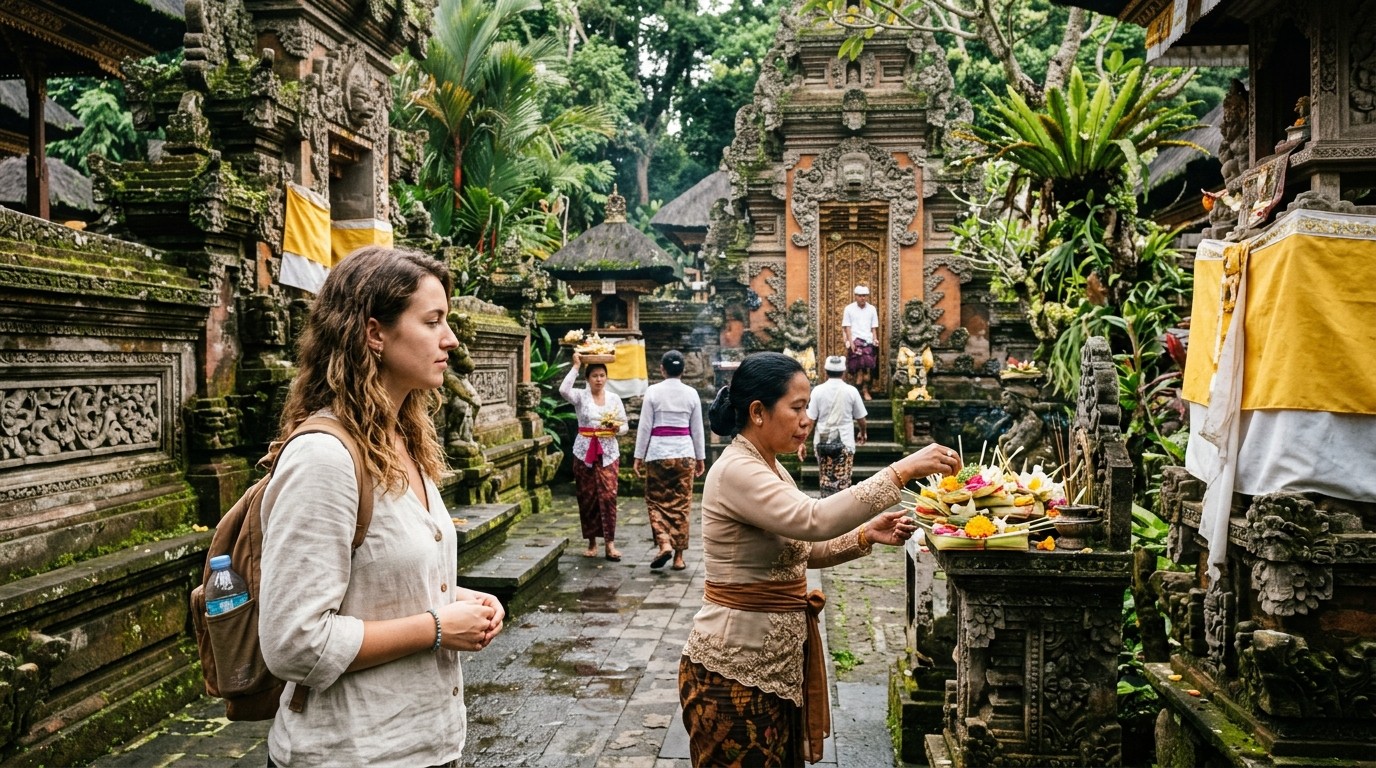
Bali’s culture is memorable because it is visible in daily life, not locked away inside a few tourist attractions. In Bali Solo Travel, ceremonies can appear on roadsides, temple offerings can appear near shops, and art can show up in architecture, carving, fabric, and dance. The island’s traditions are not museum pieces. They are lived practices. That is why respectful observation matters so much.
For a solo traveler, this can be especially moving. You are free to move at your own pace, which means you can actually notice what is happening around you. Bali Solo Travel gives you room to pause and appreciate details that group travel might rush past. That makes the trip feel less like consumption and more like participation through observation and care.
A Better Way to Think About the Trip
Instead of thinking of Bali Solo Travel as a checklist, think of it as a rhythm. The rhythm may include one busy day, one quiet day, one cultural day, one beach day, one food day, and one nothing-happens-on-purpose day. That mindset is much kinder to solo travelers because it leaves space for mood. Not every hour has to be productive. Not every outing has to be monumental.
This is where the trip becomes deeply personal. Bali Solo Travel can be relaxing, inspiring, and culturally rich all at once if you allow it to unfold without pressure. When the schedule is light enough to breathe, the island has more room to be itself and more room to meet you where you are.
Conclusion
Bali Solo Travel works so well for solo travelers because it combines calm, culture, and flexibility in a way that feels emotionally balanced. You can start the day with quiet reflection, move into temples or rice terraces, spend an afternoon at the beach, and end the night with good food and soft conversation. The island rewards respect, patience, and a slower pace, which makes it ideal for travelers who want more than a quick escape. Plan carefully, move gently, and leave enough space in the schedule for the unexpected moments that often become the best memories along the way, too.
Frequently Asked Questions (FAQ)
Is Bali good for first-time solo travelers?
Yes. Bali Solo Travel is popular with first-time solo travelers because it offers strong tourist infrastructure, varied neighborhoods, and plenty of gentle activities.
What area is best for peace?
Ubud, Sidemen, Munduk, and calmer beach areas often suit travelers who want a quieter version of Bali Solo Travel.
Do I need to dress specially at temples?
Yes. Bali’s official guidance emphasizes modest dress, respectful behavior, and care around sacred spaces.
Is there a tourist levy?
Yes. The official Love Bali site says international visitors must pay IDR 150,000 per person.
What visa do most tourists use?
Many travelers use the e-VOA path, and official Indonesian immigration pages describe the online visa process and entry requirements.
Is the All Indonesia arrival form required?
Official government pages describe All Indonesia as the digital arrival reporting system used for entry processing. Check the official portal before departure.
Is Bali safe for solo travelers?
Official travel advisories say to take usual precautions, respect local laws and customs, and stay attentive in busy areas.
Can I travel Bali without a scooter?
Absolutely. Many solo travelers use drivers, taxis, and ride services rather than self-driving.
What should I pack?
Light clothing, temple-appropriate cover-ups, walking shoes, sunscreen, insect repellent, and a reusable bottle are smart basics.
What makes the trip feel peaceful?
Keeping the schedule light, staying in the right base area, and leaving room for rest are the biggest keys to a peaceful Bali Solo Travel experience.



Leave a Reply